


Vitamins help your body carry out everyday jobs, from using energy from food to maintaining healthy blood, nerves, bones and skin. You need different vitamins in different amounts, and a varied diet is a useful foundation for getting them.
This guide explains the two main vitamin groups, the roles of the essential vitamins and practical food sources. It also covers when a supplement or a conversation with a healthcare professional may be useful.
Fat-soluble and water-soluble vitamins
Fat-soluble vitamins are vitamins A, D, E and K. They are absorbed with fat and can be stored in the body, including in the liver and fatty tissues. Taking more is not automatically better, and some can build up to harmful levels when intake is excessive.
Water-soluble vitamins include vitamin C and the eight B vitamins. The body handles and stores these nutrients differently, so it is not accurate to say that none of them are stored.
Vitamin B12 is an important example. The body stores substantial amounts, and signs of a deficiency can take years to appear. The NIH vitamin B12 fact sheet explains its roles, food sources and absorption.
The four fat-soluble vitamins
Vitamin A
Vitamin A supports normal vision, immune function and cell growth. Animal foods such as eggs, dairy products and liver provide forms of vitamin A. Carrots, sweet potatoes, spinach and other colorful vegetables provide carotenoids that the body can convert to vitamin A.
Vitamin D
Vitamin D helps the body absorb calcium and supports bone health. The skin can make vitamin D after exposure to UVB light, but production varies with factors such as season, location and skin characteristics. Fatty fish and fortified foods can also contribute. Check the package to see whether a milk or plant-based drink is fortified rather than assuming it is.
Vitamin E
Vitamin E acts as an antioxidant, helping protect cells from damage, and supports immune function. Useful food sources include nuts, seeds and vegetable oils.
Vitamin K
Vitamin K is needed for normal blood clotting and contributes to bone health. Leafy green vegetables, including spinach, kale and broccoli, are useful sources, along with some vegetable oils.
Vitamin C and the eight B vitamins
Vitamin C
Vitamin C supports collagen production and wound healing, helps the body absorb iron from plant foods and acts as an antioxidant. Citrus fruits, strawberries, peppers and broccoli can help provide it.
B1: thiamin
Thiamin helps the body use energy from food and supports normal cell function. Food sources include whole and enriched grains, pork, beans and lentils.
B2: riboflavin
Riboflavin helps convert food into usable energy and supports cell growth and function. Milk, eggs, lean meat and fortified cereals are examples of food sources.
B3: niacin
Niacin supports energy metabolism and normal cell function. It is found in foods such as poultry, fish, meat, nuts and grains.
B5: pantothenic acid
Pantothenic acid helps the body process nutrients and make important compounds, including fats. It is present in many foods, such as meat, eggs, mushrooms and whole grains.
B6
Vitamin B6 is involved in many enzyme reactions, including protein metabolism, and supports normal nervous-system function. Chickpeas, fish, poultry, potatoes and bananas are examples of food sources.
B7: biotin
Biotin helps the body process fats, carbohydrates and proteins. Eggs, fish, meat, nuts and seeds can contribute to intake. Its normal metabolic role does not mean that everyone needs a high-dose hair or nail supplement.
B9: folate
Folate supports DNA production and cell division. Leafy vegetables, beans and lentils provide folate, while some grain products and supplements contain folic acid. Requirements are particularly important during pregnancy planning and pregnancy, so follow qualified guidance for that stage of life.
B12
Vitamin B12 supports healthy blood and nerve cells and helps the body make DNA. Fish, meat, eggs and dairy products are sources. People who avoid animal foods can obtain B12 from appropriately fortified foods or supplements; check the label for the amount provided.
How much do you need?
Recommended amounts depend on the vitamin, your age and stage of life. A figure intended for one adult group may not apply during pregnancy, breastfeeding or childhood. Your diet, absorption and health circumstances also affect whether a supplement is appropriate.
For specific amounts, use current nutrient fact sheets from the NIH Office of Dietary Supplements or ask a qualified healthcare professional. Keep recommended dietary intake separate from a supplement dose or an upper limit. An upper limit is not an amount to aim for.
Build variety into meals before adding complexity
A few repeatable choices can help you include different sources of vitamins:
- Include fruits and vegetables of different types through the week.
- Use beans, lentils, whole grains, nuts and seeds where they suit your meals.
- Include protein foods and, if you use them, dairy or appropriately fortified alternatives.
- Check fortified-food labels when you rely on them for a particular nutrient.
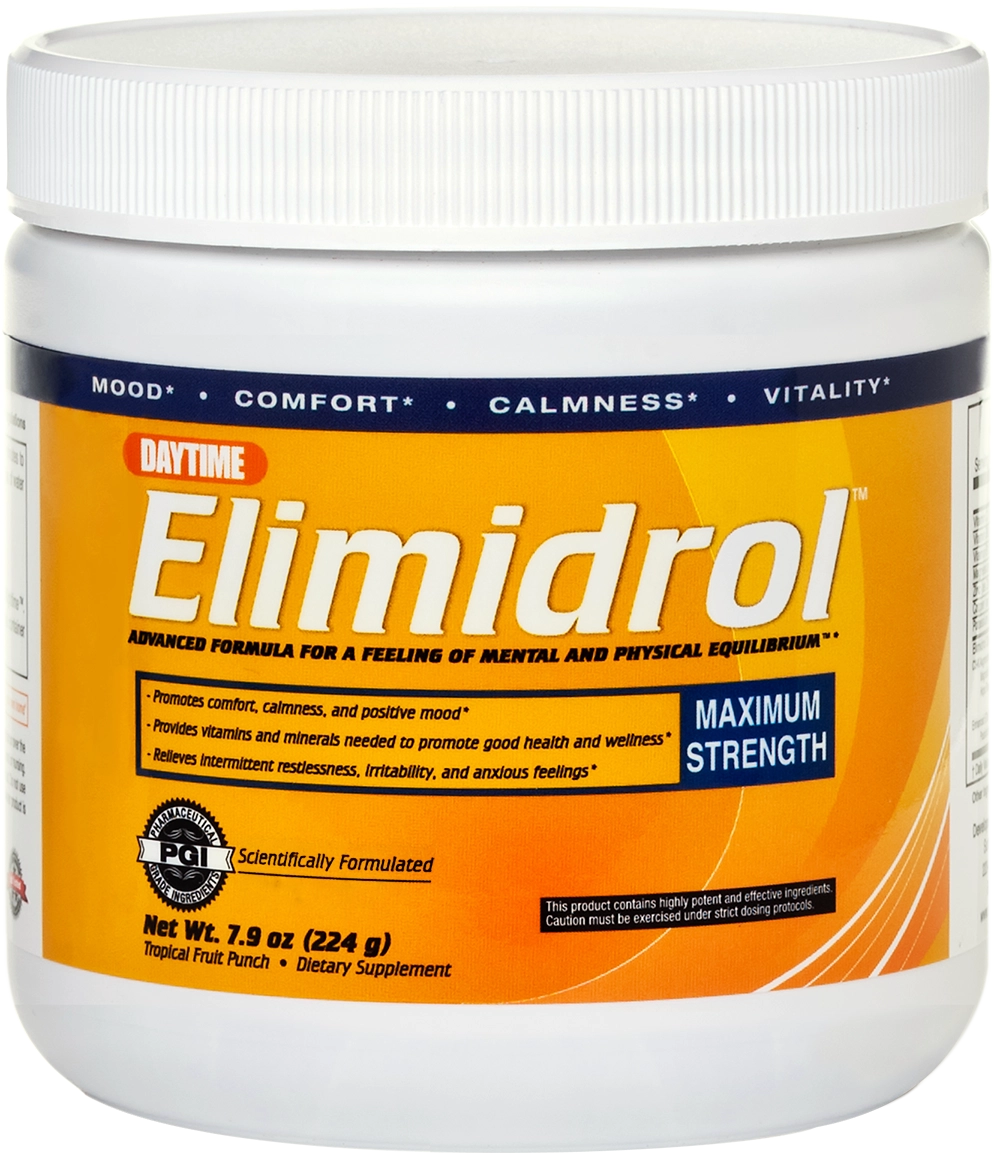
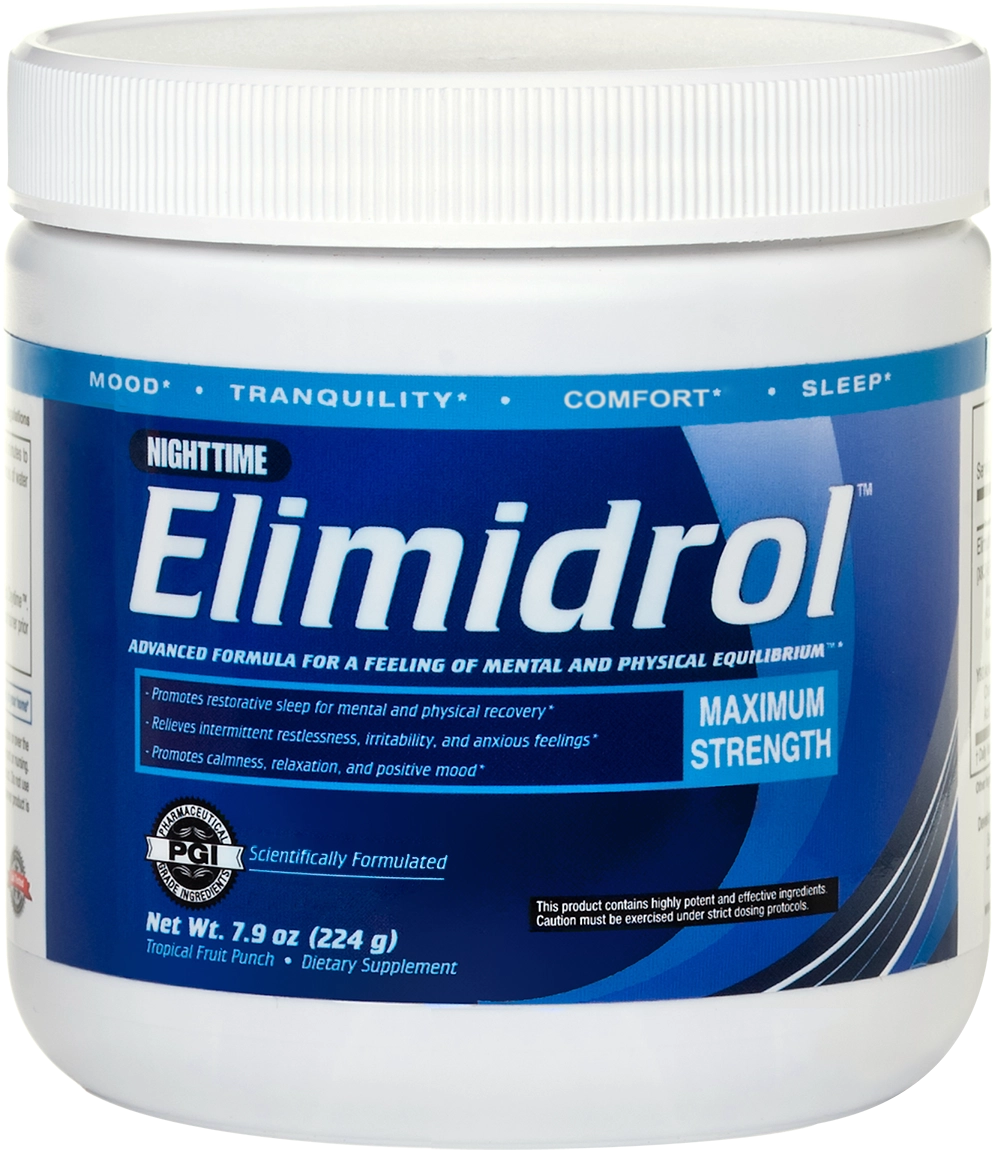
Supplements can help address a specific gap, but they do not replace food variety. Our guide to dietary supplements and responsible use explains how to compare servings and avoid unnecessary overlap.
When to seek individual advice
Deficiency symptoms vary by nutrient. For example, vitamin C deficiency can cause scurvy, while B12 deficiency can affect blood and nerve health. Symptoms such as tiredness have many possible causes and do not identify a particular vitamin shortage on their own.
Discuss persistent symptoms, restricted diets, absorption concerns or changes in health with a qualified healthcare professional. Testing may be appropriate for particular symptoms or risk factors; it is not a requirement for everyone. Review supplements alongside medicines and other products you take, and follow their directions.
Understanding what vitamins do is useful. The next step is a practical eating pattern and, where needed, support matched to your own circumstances.