

Quick answer: Dietary supplements can help fill an identified nutrient gap or add a specific ingredient to a wellness routine, but they do not replace a varied diet or individualized guidance. Compare products by purpose, serving size, ingredient amounts, quality signals, directions, and possible interactions before deciding whether one fits your needs.
The word supplement covers a wide range of products, including vitamins, minerals, botanicals, amino acids, probiotics, and other ingredients. Those products are not interchangeable. A useful evaluation starts with a clear reason for considering a product and a careful reading of its label.
What Dietary Supplements Are—and What They Are Not
Dietary supplements are intended to add to the diet. They may come as capsules, tablets, powders, liquids, gummies, or similar formats. The Supplement Facts panel identifies active ingredients, amounts per serving, and other label details that help shoppers compare products.
A supplement should not be treated as a substitute for meals, sleep, movement, or professional guidance. It is one optional part of a broader routine, and the right choice depends on the person, the ingredient, the amount, and what else they already use.
When a Supplement May Be Worth Considering
A supplement may be relevant when a qualified professional identifies a specific nutrient need, when food choices consistently leave a gap, or when a person wants to evaluate a particular ingredient for a defined wellness goal.
Start by asking:
- What exact purpose do I expect this product to serve?
- Could food or a routine adjustment address the same need?
- Do I already use another product with the same ingredient?
- Does the serving amount fit guidance I have received?
- Could this overlap with medicines or other supplements?
If the goal is vague, pause before adding another product. A clearer objective makes labels easier to compare and helps avoid unnecessary stacking.
How to Read a Supplement Label
1. Check the serving size
Amounts on the Supplement Facts panel usually refer to one labeled serving, which may be more than one capsule or gummy. Compare products by the full serving rather than by the amount in a single piece.
2. Review every active ingredient
Look at the ingredient name and amount. If a product uses a blend, determine whether the label discloses individual amounts or only a combined total. A combined total can make direct comparisons more difficult.
3. Read the other ingredients
Flavorings, sweeteners, colors, capsule materials, and common allergens may appear outside the Supplement Facts panel. This section matters when you have dietary preferences or ingredient sensitivities.
4. Follow timing and use directions
Check whether the label specifies food, water, time of day, or a maximum daily amount. Do not assume that taking more will make a product more useful.
5. Look for clear company information
A reputable label should identify the responsible company and provide a practical way to ask questions. Lot information, expiration or best-by details, and storage directions are also useful quality signals.
Quality Signals and Third-Party Certification
Independent certification can show that a product was checked against a defined standard, such as identity, manufacturing, or contaminant limits. The meaning varies by program, so look up what a particular seal actually covers.
A seal does not mean a product is the right fit for every person, and it does not replace the need to review the formula. It is one piece of information alongside the label, serving amount, company transparency, and professional guidance.
Common Risks to Review Before Use
Supplements can create problems when ingredients overlap, amounts are excessive, labels are misunderstood, or products interact with medicines and other supplements. Consider the full routine rather than evaluating each bottle in isolation.
- Ingredient overlap: Multiple products may contain the same vitamin, mineral, botanical, or stimulant.
- Serving-size mistakes: A labeled serving may include several capsules or scoops.
- Timing conflicts: Ingredients intended for daytime use may not fit an evening routine, and the reverse can also be true.
- Personal sensitivities: A familiar ingredient can still be a poor fit for a particular person.
- Medicine interactions: Ask a qualified professional or pharmacist when you use medicines or are unsure about a combination.
Stop using a product and seek appropriate guidance if you experience an unexpected or concerning reaction.
How FDA Oversight Works
The U.S. Food and Drug Administration regulates dietary supplements under a framework that differs from the one used for medicines. Manufacturers and distributors are responsible for following applicable requirements, while the agency monitors the market and can act when products violate the law.
Because rules and consumer guidance can change, use current first-party information. Read FDA 101: Dietary Supplements for the agency’s consumer overview. The NIH Office of Dietary Supplements frequently asked questions also explains labels, ingredient information, and related resources.
A Practical Comparison Checklist
Before buying, compare products in this order:
- Purpose: Write down the single reason you are considering the product.
- Active ingredients: Check names and amounts per full serving.
- Overlap: Compare the formula with everything else you already use.
- Directions: Review timing, food instructions, and daily limits.
- Quality details: Check company information, lot details, storage guidance, and meaningful independent certification.
- Personal fit: Ask a qualified professional about individual circumstances or uncertain combinations.
A shorter list of clearly understood products is generally easier to evaluate than a complicated stack with overlapping purposes.
Frequently Asked Questions
Does everyone need a dietary supplement?
No. Needs vary with diet, lifestyle, age, individual circumstances, and professional guidance. A supplement should have a clear purpose rather than being added automatically.
Can supplements replace a balanced diet?
No. Food provides a combination of nutrients and other components that a capsule or powder does not duplicate. Supplements are additions to a routine, not meal replacements.
Are plant-derived products automatically better?
No single marketing term establishes quality or suitability. Compare the actual ingredients, amounts, directions, quality information, and your individual needs.
Can I take several supplements together?
Do not assume separate products are automatically compatible. Check for duplicate ingredients and ask a qualified professional or pharmacist about uncertain combinations.
How should I compare daytime and nighttime formulas?
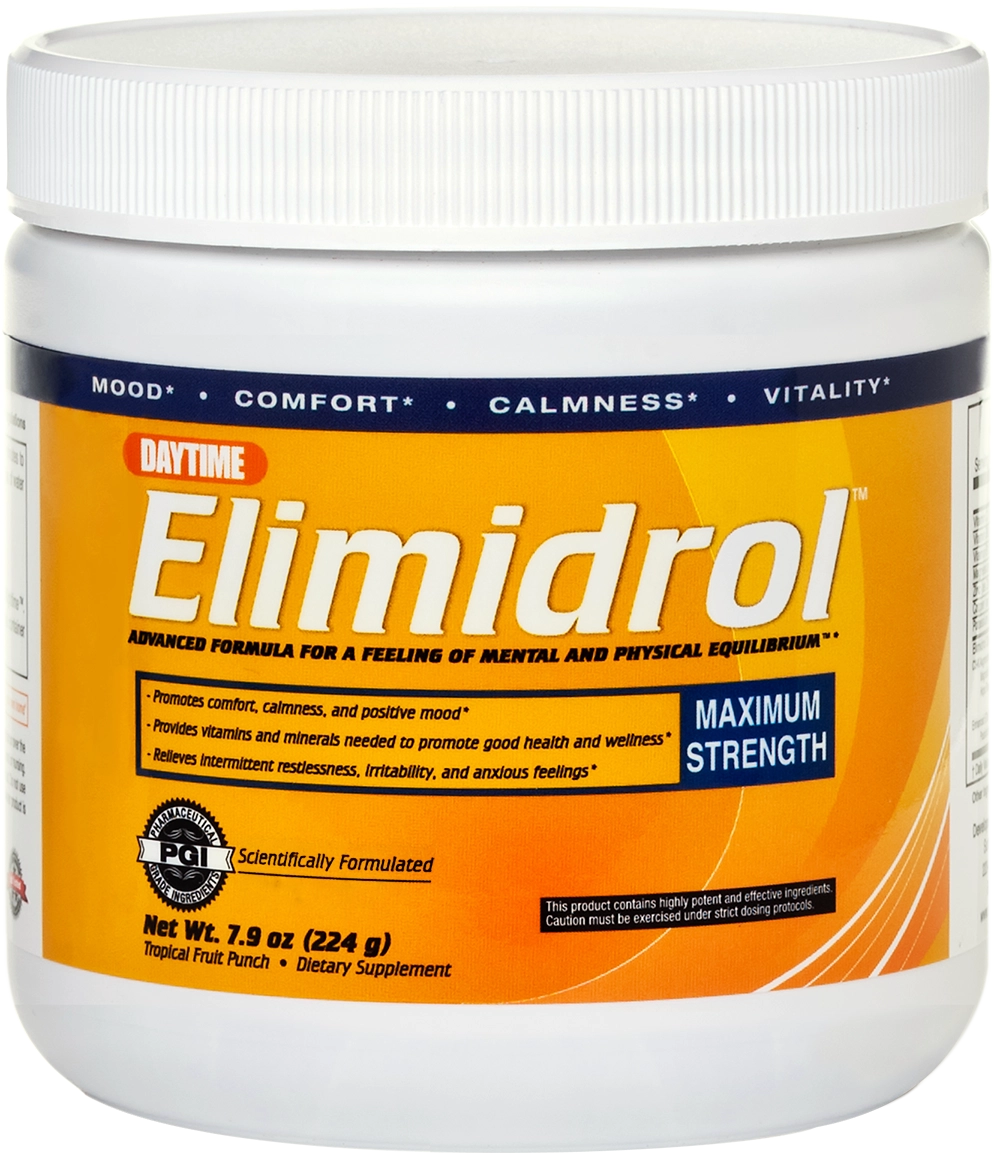
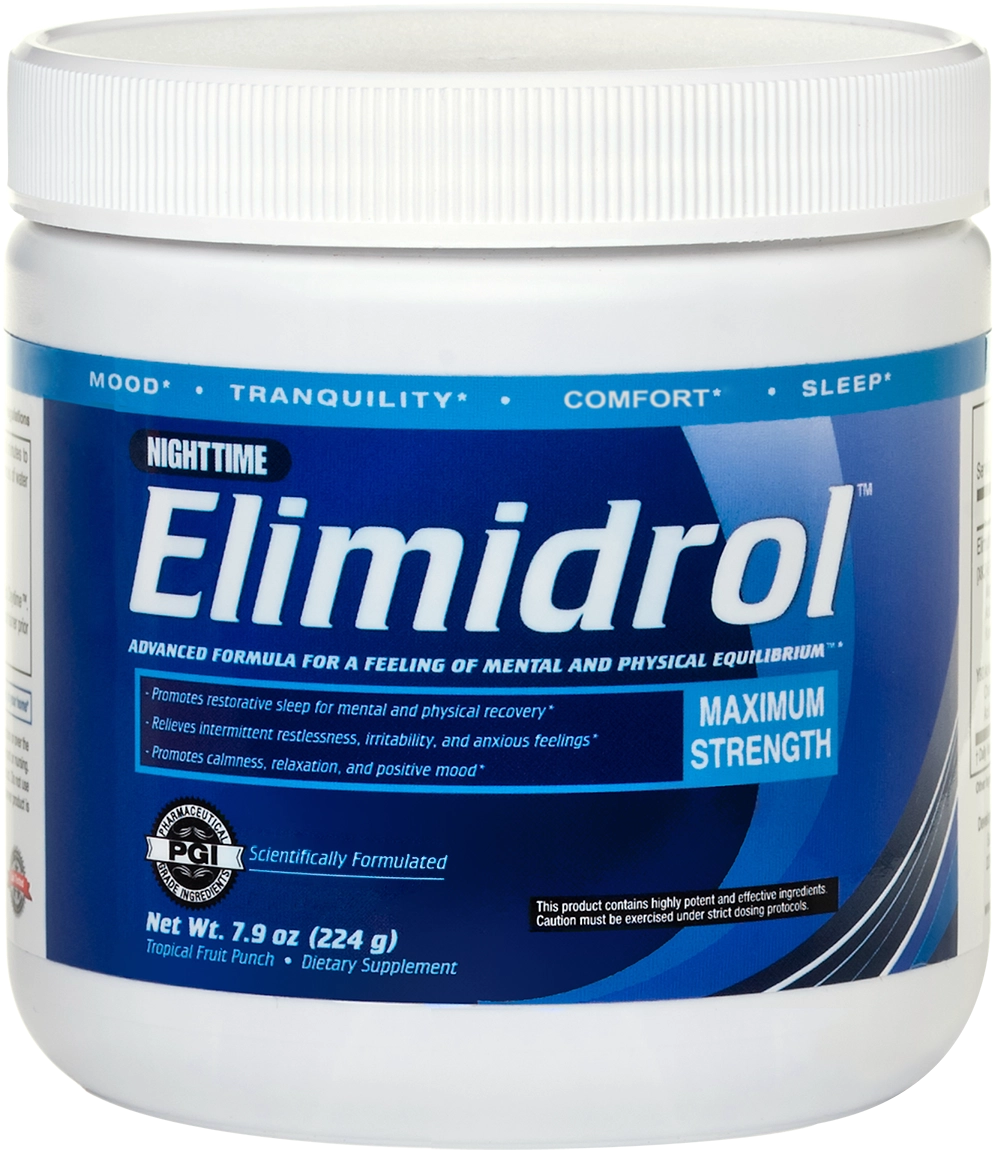
Start with the intended timing, ingredient profile, serving directions, and how the product fits your existing routine. For a mood-support example, see How to Compare Mood Support Supplement Labels and the Elimidrol Day vs Night guide.
Keep the Routine Simple
Dietary supplements are easier to evaluate when they have a clear role. Read the full label, avoid unnecessary overlap, follow the directions, and review the plan when your routine changes.
If you are comparing coordinated daytime and evening support, explore the Elimidrol Day + Night system. Review each label and timing direction before adding either formula to your routine.
This article provides general wellness information and is not individualized professional guidance.