


Quick answer: how to compare calming supplements
To compare calming supplements, begin with the Supplement Facts panel rather than the promise on the front of the bottle. Check every active ingredient and amount, the suggested use, cautions, serving size, and whether the formula fits the time of day you plan to use it. Then review medications, health conditions, pregnancy or nursing, and possible ingredient overlap with a qualified healthcare professional.
Start with the purpose, not the hype
“Calming” can mean different things. One shopper may want a daytime formula that fits a busy schedule, while another is building an evening wind-down routine. Decide when you would use the product and what role it would play before comparing labels. A supplement should be one clearly defined part of a routine—not a promise to create perfect calm or replace personalized care.
Be cautious with phrases such as “ultimate,” “instant,” or “universal results.” Those words do not tell you what is in the formula, how much is present, or whether it is appropriate for you.
A five-point label checklist
1. Read the complete ingredient list
Look at active ingredients, amounts per serving, serving size, and other ingredients. Do not assume that two products with similar front-label language use the same formula. If an amount is not individually listed, you have less information for comparison.
2. Check timing and serving directions
Directions can help you determine whether a formula is intended for daytime, evening, or another specific routine. Also note the number of capsules or servings required. More is not automatically better, and serving directions should not be exceeded.
3. Review cautions and possible overlap
Compare the label with every supplement, medication, and fortified product you already use. Ingredients can overlap across products, and supplements can interact with medicines. The National Center for Complementary and Integrative Health recommends telling healthcare providers about all supplements and medicines you take.
4. Look for useful quality information
Check for a complete manufacturer identity, lot information, expiration or best-by guidance, contact details, and clear storage instructions. An independent quality seal may indicate testing for specific manufacturing criteria, but it does not prove that a product will produce a particular result for every person.
5. Compare the claim with the label
The U.S. Food and Drug Administration explains that dietary supplements are regulated differently from conventional foods and medicines. A dramatic front-label promise is a reason to slow down and verify the details, not evidence by itself.
Daytime and evening formulas serve different routines
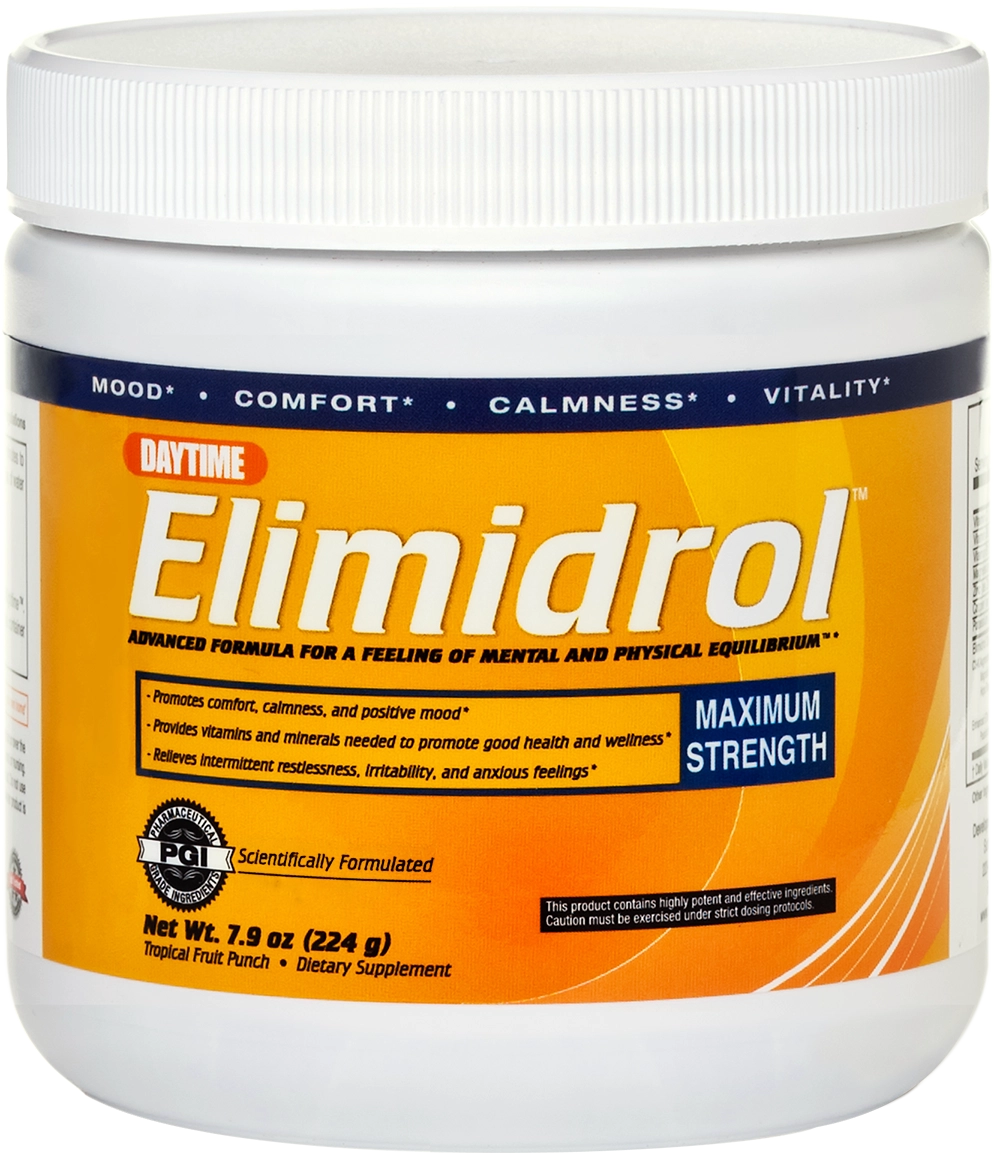
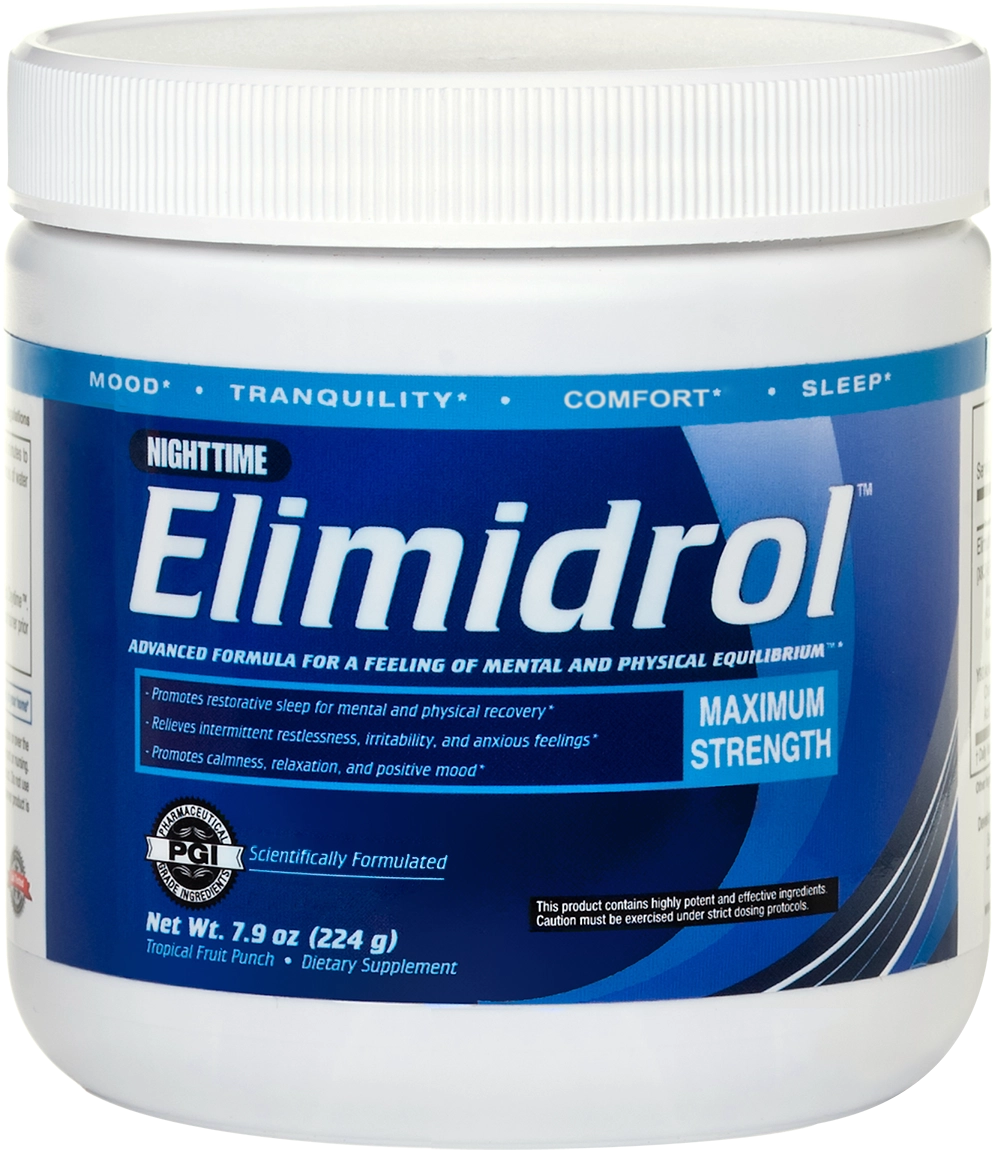
A useful comparison starts with context. A daytime formula should fit your daytime responsibilities, while an evening formula should fit your wind-down and sleep schedule. If you are comparing Elimidrol options, the Elimidrol Day vs. Night guide explains the intended timing and label differences without treating the two formulas as interchangeable.
Questions to ask before buying
- What exact role would this supplement have in my routine?
- Can I identify every active ingredient and amount?
- Does anything overlap with products I already use?
- Do the timing and cautions fit my schedule and circumstances?
- Have I discussed possible interactions with a qualified professional?
Keep the foundation simple
Supplements do not replace regular meals, movement, sleep, connection, or practical ways to handle demanding moments. Build those basics first with a realistic daily wellness routine. If a product still fits your plan, use the label, not promotional language, to make the comparison.
The takeaway
The best way to compare calming supplements is to define the intended use, read the complete label, check timing and cautions, look for transparent quality information, and review the choice with a healthcare professional. A careful comparison is more useful than searching for one “ultimate” product.