


Quick answer: supplements and healthy habits
A practical framework for supplements and healthy habits begins with the foundation: regular meals, movement, sleep, connection, and healthcare appropriate to you. If you are still considering a supplement, define its intended role, read the complete label, check for overlap and interactions, and review the choice with a qualified healthcare professional. Do not use a supplement to replace the basics or delay care.
Why the order matters
It is hard to evaluate a supplement when sleep, meals, or daily timing changes constantly. A simple baseline makes your routine easier to understand. It also prevents a product from becoming the answer to several unrelated goals at once.
The National Center for Complementary and Integrative Health recommends discussing supplements with healthcare providers and keeping a complete record of what you take. Supplements can have active effects, can interact with medicines, and may not be appropriate in every circumstance.
Step 1: establish the wellness foundation
Choose one repeatable action in each area that is relevant to you:
- Meals: plan a dependable meal or snack for the busiest part of the day.
- Movement: choose a comfortable activity and an indoor backup.
- Sleep: protect a wake-time range or short wind-down.
- Connection: schedule one specific check-in.
- Care: keep appointments, medicines, and professional guidance organized.
For a ready-to-use structure, build these actions into a daily wellness routine.
Step 2: define one reason for considering a supplement
Write a single sentence describing the intended role in your routine. If the sentence contains several unrelated promises, the goal is probably too broad. A clear purpose helps you compare products and discuss the decision with a professional.
Step 3: read the full label
Review:
- every active ingredient and amount;
- serving size and suggested use;
- other ingredients and allergens;
- warnings, storage, and manufacturer details;
- third-party quality information, when available.
The U.S. Food and Drug Administration explains that dietary supplements are regulated differently from conventional foods and medicines. A front-label promise is not enough information for a decision.
Step 4: check for overlap and interactions
Compare the formula with all medicines, supplements, and fortified products you use. Bring the actual label or a clear photo to a pharmacist, physician, or other qualified professional. This is especially important before surgery, during pregnancy or nursing, for children, and when managing a health condition.
Step 5: change one variable at a time
Avoid starting several products and major routine changes on the same day. Follow label directions, keep the rest of the routine steady where possible, and record timing and any unwanted effects. Stop and seek appropriate guidance if you experience a concerning reaction.
Step 6: review whether the product still fits
Set a date to review cost, convenience, label compliance, and whether the original reason still applies. Do not continue automatically just because a bottle is part of the routine. A qualified professional can help determine whether continued use is appropriate.
How to compare Elimidrol options
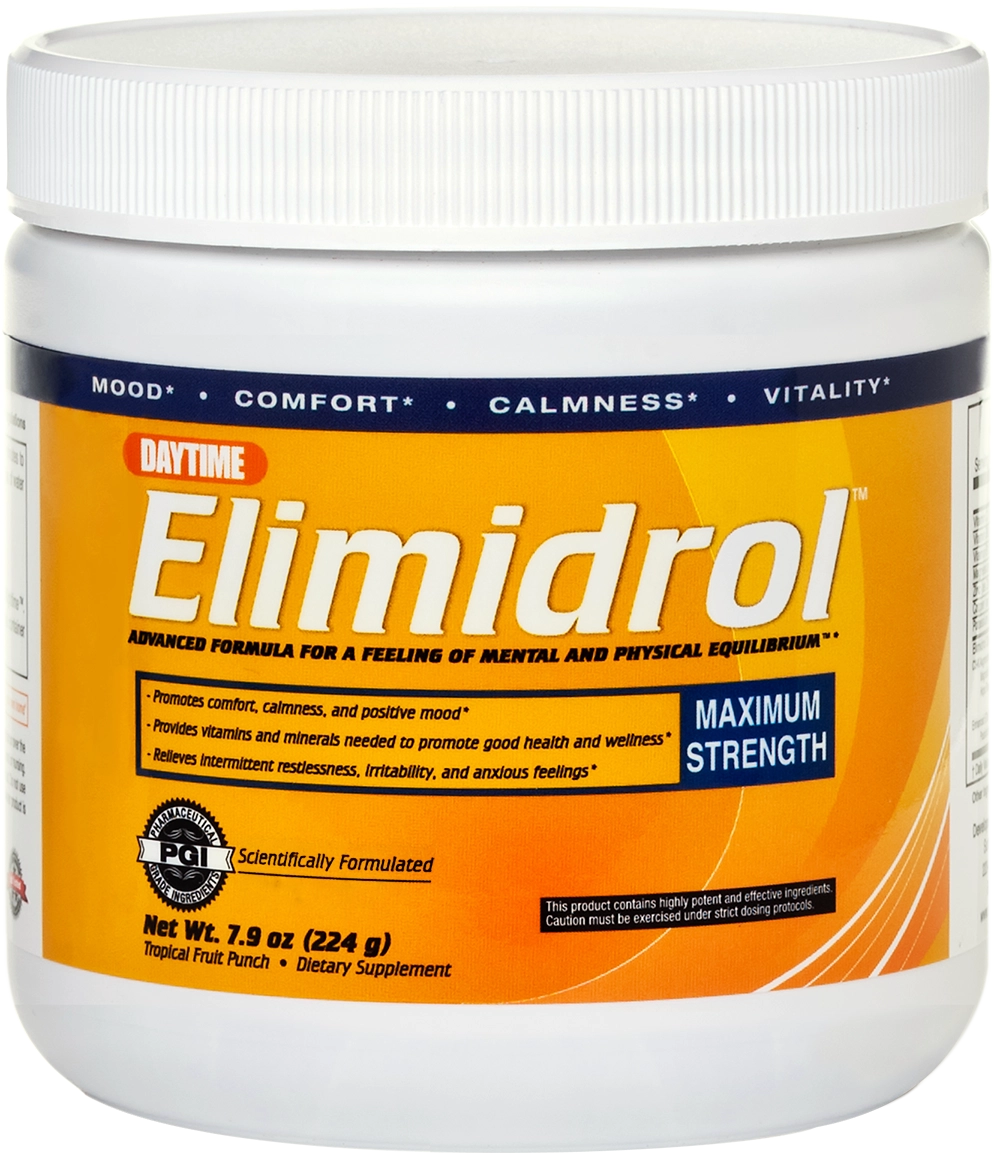
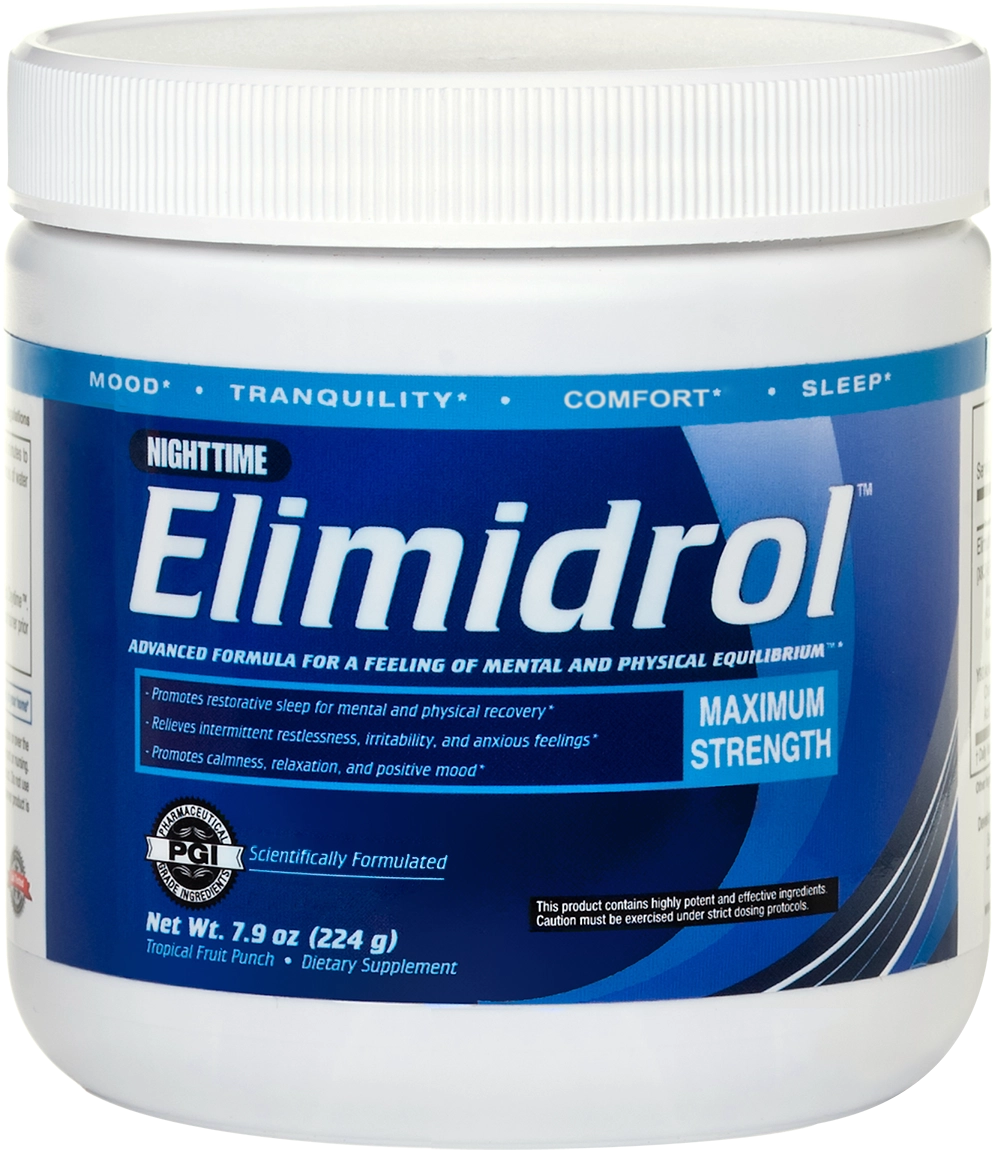
If your comparison involves Elimidrol, use the Day vs. Night guide to review intended timing and label differences. The formulas have different roles and should not be treated as interchangeable. Follow the product label and seek personalized guidance when needed.
The takeaway
Supplements and healthy habits belong in a clear order: build the foundation, define one intended role, read the label, check safety and overlap, change one variable, and review the decision. This framework is more useful than promises of “maximum benefit.”