

A Supplement Facts panel helps you understand what a formula contains and how its amounts are organized. Start with serving size, then read the ingredients, blend totals and other ingredients. Then check the directions and cautions, which may appear elsewhere on the container or product page.
You do not need to memorize every ingredient to read a label well. The goal is to understand the product you are considering and identify any questions to ask before using it.
1. Start with serving size
The amounts in a Supplement Facts panel relate to the stated serving. One product may define a serving as a scoop; another may use more than one capsule. Read that line before comparing quantities between products.
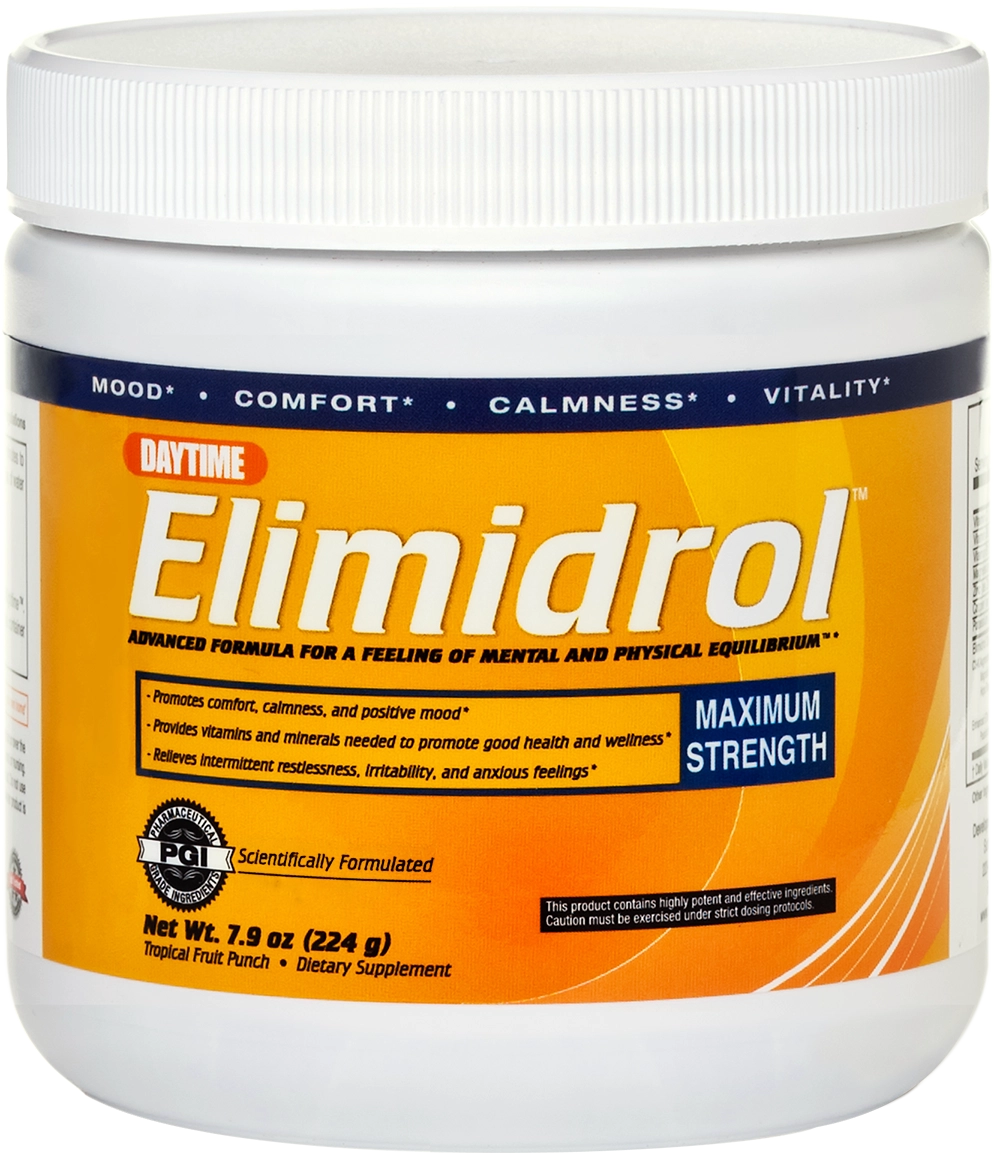
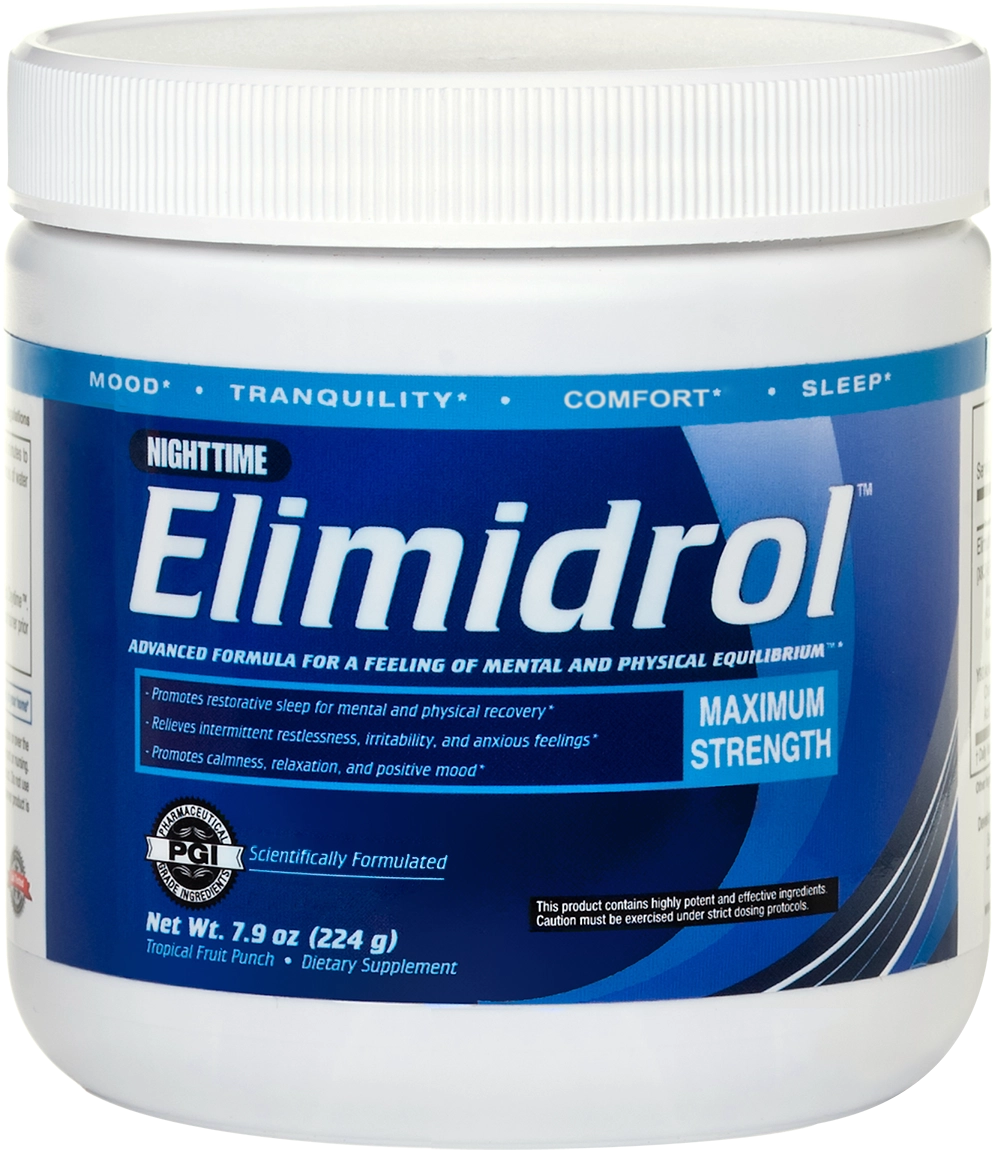
Also check the number of servings per container. Both Elimidrol Daytime and Elimidrol Nighttime have a serving size of one scoop and 28 servings per container. The number of days a container lasts depends on use within the product’s directions.
2. Read the ingredient names and forms
Look beyond a broad category such as “herbs” or “minerals.” The full name helps you understand what is included and compare it with another product.
- Botanicals: the name may include the plant part, such as root, leaf or flower, and whether it is an extract.
- Amino acids and related ingredients: read the specific name, such as L-tyrosine or N-acetyl-L-cysteine, rather than assuming the category tells you everything.
- Vitamins and minerals: the source or form may appear in parentheses, such as magnesium as magnesium oxide.
If a botanical includes an extract percentage, that detail describes the specified extract. It should not be read as a percentage of the entire formula or as a promise about the result you will experience.
3. Understand a blend total
A proprietary blend groups named ingredients under a combined amount. That number describes the blend as a whole; it is not the amount of every ingredient in the group.
For example, Elimidrol Daytime has a proprietary blend total of 4,576 mg per serving, organized into the C3-K Augmented Formula and Enhanced E7b Formula. Nighttime has a proprietary blend total of 5,157 mg per serving, organized into the [XKJ]-5 Formula and Y90 Advanced Formula.
The larger number does not, by itself, tell you which product to choose. These are different formulas with different ingredients and intended uses. Read the formula details alongside the total.
Daytime’s vitamins and minerals have a separate 359 mg total per serving. That total should not be mistaken for the amount of magnesium, vitamin B6 or any other single nutrient.
4. Check the other ingredients
The “other ingredients” section may include flavors, sweeteners, colors and ingredients used in preparation. These details can matter for allergies, sensitivities or preferences even though they are separate from the main blend.
Both Elimidrol formulas include ingredients such as citric acid, maltodextrin, natural and artificial flavors, sucralose and FD&C Red #40. Read the full list for the formula you intend to use rather than relying on a summary.
5. Read directions separately from the facts panel
A serving size tells you how the panel is organized. Directions explain how to use the product. Do not assume that the serving-size line contains every instruction.
Look for:
- How to prepare or take the product.
- Any instruction about food, water or timing.
- Guidance for assessing tolerance, if provided.
- The stated daily limit.
- Cautions relevant to your health, medicines or activities.
For Elimidrol, use the Directions tab on the individual product page. Do not copy instructions from another formula or assume that using two products changes their limits.
6. Compare the complete formula with what you already use
Write down the medicines and supplements you take, including occasional over-the-counter products. Review the full ingredient lists together with a pharmacist or healthcare professional when needed. Different product names can still include overlapping ingredients.
This is especially important if you take medication, have a health condition, are pregnant or nursing, or are considering combining supplements. The FDA’s supplement guide explains why ingredients and interactions deserve attention.
A quick example: reading Daytime and Nighttime
Start with the shared format: both are powders with one scoop per stated serving. Next, notice the actual differences. Daytime includes vitamins and minerals plus botanicals and amino acids. Nighttime has a different combination that includes melatonin, chamomile and valerian.
Then read the other ingredients and directions for the version you are considering. This gives you a more useful comparison than counting ingredients or choosing the largest blend total.
For a broader introduction, see What Is Elimidrol? If you are comparing purchase options, use our five-question supplement checklist.
Common label-reading questions
Does a larger blend total mean a stronger or better formula?
Not on its own. Ingredient combinations and intended uses differ. A total amount is one piece of information, not a ranking of products.
Does the ingredient list tell me how I will feel?
No. It tells you what is in the product. Your response can vary, and a nutrient’s or botanical’s presence does not guarantee an individual outcome.
Where should I look if I still have a question?
Use the full product information and contact the manufacturer about unclear instructions. Ask a healthcare professional about suitability or interactions. Our Elimidrol FAQ is another useful starting point for product questions.
Read the full formula details: visit the Ingredients and Directions tabs for Daytime or Nighttime.