



Quick answer: build a daily wellness routine with three anchors
A daily wellness routine does not need to schedule every hour. Start with one morning anchor, one midday reset, and one evening wind-down cue. Make each action small enough to repeat on a busy day, attach it to something you already do, and review the routine after one week.
Why anchors work better than a perfect schedule
A detailed plan can look impressive and still be hard to follow. Anchors are different: they are short actions tied to predictable parts of the day. They give the routine structure without requiring every day to look the same.
The National Institute of Mental Health includes regular movement, balanced meals, hydration, sleep, relaxing activities, priorities, gratitude, and connection among its self-care suggestions. You do not need to add all of them at once.
Choose one morning anchor
The morning anchor should help you start deliberately without turning the first hour into a complicated checklist.
- Drink water after getting up.
- Open the curtains or step outside briefly.
- Review the day’s top one to three priorities.
- Eat a meal that fits your needs and schedule.
- Take a short walk or complete a few minutes of comfortable movement.
If light timing is the part you want to improve, use the focused morning light routine guide.
Add one midday reset
The midday reset keeps the morning from running directly into the evening. Pick a cue you are likely to notice, such as finishing lunch, closing a meeting, or refilling your water.
- Stand and move for two to ten minutes.
- Check whether you need food, water, or a quieter workspace.
- Move unfinished tasks into a realistic order.
- Send one message to clarify a deadline or ask for help.
- Take one comfortable breath before opening the next task.
Create one evening wind-down cue
An evening anchor signals that active tasks are ending. It might be dimming lights, silencing nonessential notifications, preparing tomorrow’s first task, stretching, reading, or starting a familiar audio track.
Keep the cue simple and repeatable. If the evening is the weak point in your routine, review the practical guide to sleep quality and next-day balance.
Use the smallest version on busy days
Define a full version and a minimum version for each anchor.
- Morning: a 15-minute walk, or simply step outside for two minutes.
- Midday: a full lunch break, or stand, drink water, and reorder the next two tasks.
- Evening: a 30-minute wind-down, or silence notifications and read one page.
The minimum version protects continuity without turning one difficult day into an abandoned routine.
A seven-day starter plan
- Day 1: Choose the three anchors.
- Day 2: Attach each anchor to an existing cue.
- Day 3: Remove one unnecessary step.
- Day 4: Test the minimum version.
- Day 5: Add one connection point, such as a short call or shared walk.
- Day 6: Notice which anchor is easiest and which one creates friction.
- Day 7: Keep what helped and revise only one weak point.
Daily routine versus self-care ritual
A daily routine organizes when basic actions happen. A self-care ritual adds meaning or attention to a specific practice. They can work together, but they are not the same page intent. For more examples of repeatable restorative practices, see daily self-care rituals for emotional well-being.
Connect daytime and evening support
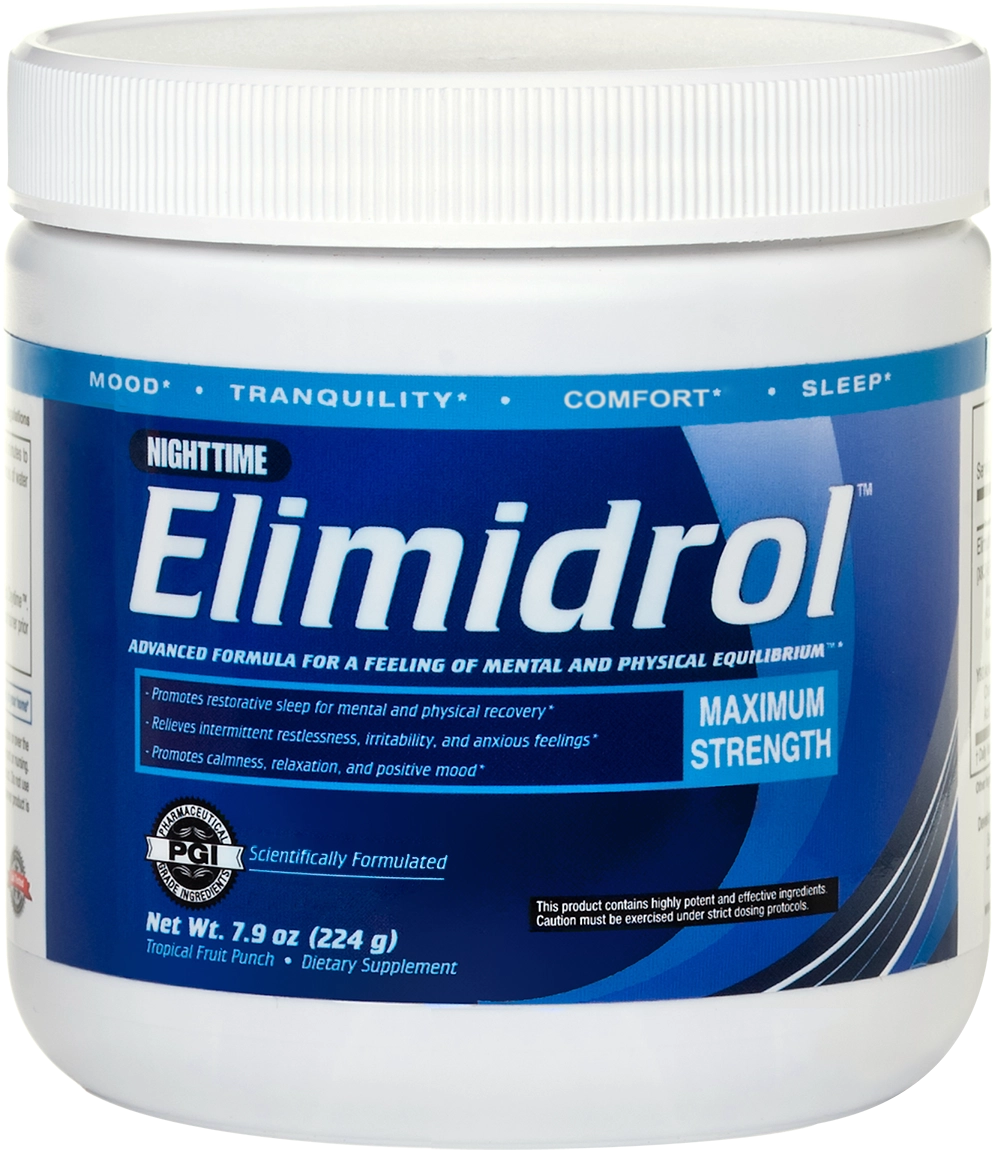
If you are building a day-and-night wellness routine, the Elimidrol Day vs. Night guide explains the different label directions and routine roles. Read the labels, consider your full routine and medications, and ask a qualified professional when you have questions about fit.
When to adjust the routine
Revise the routine when it regularly takes more time than you have, depends on a cue that rarely happens, or leaves no room for changing responsibilities. If persistent distress or changes in daily functioning continue despite reasonable adjustments, consider speaking with a qualified professional.
The takeaway
A useful daily wellness routine is small, visible, and flexible. Choose three anchors, create a minimum version, run the plan for seven days, and change only what is causing friction.