


During a stressful week, regular meals and adequate nutrition are useful foundations for looking after yourself. Vitamins, minerals and other nutrients support normal body functions, but a difficult week does not reveal which nutrient, if any, you are missing.
This guide focuses on practical food choices, nutrients worth understanding and where supplements can fit during demanding periods. For a comparison of common supplement categories, see our separate guide to supplements for stress.
Start with the eating pattern you can maintain
Stress can make everyday routines less consistent. You may skip lunch, rely on coffee, eat whatever is closest or have little energy left for cooking. A useful first step is to make regular meals easier, not to build a perfect diet overnight.
Choose a few dependable options: a breakfast you can prepare quickly, a lunch with a source of protein, and an evening meal that includes vegetables and a satisfying carbohydrate. Frozen vegetables, canned beans, yogurt, eggs, oats and other convenient staples can all help.
For more everyday ideas, read our guide to food and mood.
Nutrients worth understanding
Magnesium
Magnesium is involved in normal muscle and nerve function. Food sources include beans, lentils, nuts, seeds, whole grains and leafy greens. A meal with beans and rice or a snack of yogurt and nuts can contribute to your intake without requiring a complicated routine.
Low intake and a diagnosed deficiency are not interchangeable. The NIH magnesium fact sheet explains that symptomatic deficiency from low food intake is uncommon in otherwise healthy people, although health conditions and medicines can affect magnesium status.
B vitamins, including vitamin B12
B vitamins have different roles in the body. Vitamin B12, for example, is needed for normal nerve function and red blood cell formation. Food choices, absorption and certain medicines can affect whether someone gets enough.
The body stores substantial amounts of B12, so a deficiency can take years to develop. People following a vegan diet need a reliable B12 source, such as appropriately fortified foods or supplementation. The NIH B12 guide explains sources and groups more likely to have trouble getting enough.
Vitamin C and zinc
Vitamin C and zinc are essential nutrients with roles in normal health, including immune function. Fruit and vegetables can supply vitamin C; meat, seafood, beans, nuts and other foods contribute zinc. A varied eating pattern helps you meet these needs alongside the other nutrients your body uses.
Protein and a varied diet
Protein supplies amino acids used throughout the body. Include sources you enjoy, whether those are beans, tofu, eggs, fish, poultry, dairy foods or a mixture. Variety helps a meal provide more than one nutrient and makes it easier to keep eating well over time.
A practical plan for a busy day
- Morning: choose something substantial enough for your schedule, such as oats with yogurt or a fortified alternative and fruit.
- Midday: pair a protein source with vegetables and bread, rice, potatoes or another carbohydrate you enjoy.
- Between meals: keep an easy option available, such as fruit and nuts or hummus and whole-grain crackers.
- Evening: use a simple combination you can repeat, such as beans or fish with rice and vegetables.
If supplements are part of your routine, follow their own Directions for timing and whether to take them with food.
When a supplement may make sense
A supplement can help address a specific nutritional need, but it is worth knowing what that need is. A restricted diet, an absorption problem or a clinician-identified deficiency calls for a different approach from looking for general wellness support.
Before adding several products, check for overlapping ingredients and speak with a healthcare professional if you take medicines or have an ongoing condition. Choose an amount suited to the need rather than assuming that a higher-dose product is better.
If fatigue, irritability or other symptoms persist, do not assume nutrition is the only explanation. Getting appropriate advice can help you decide what to investigate and what changes are worthwhile.
Where Elimidrol fits
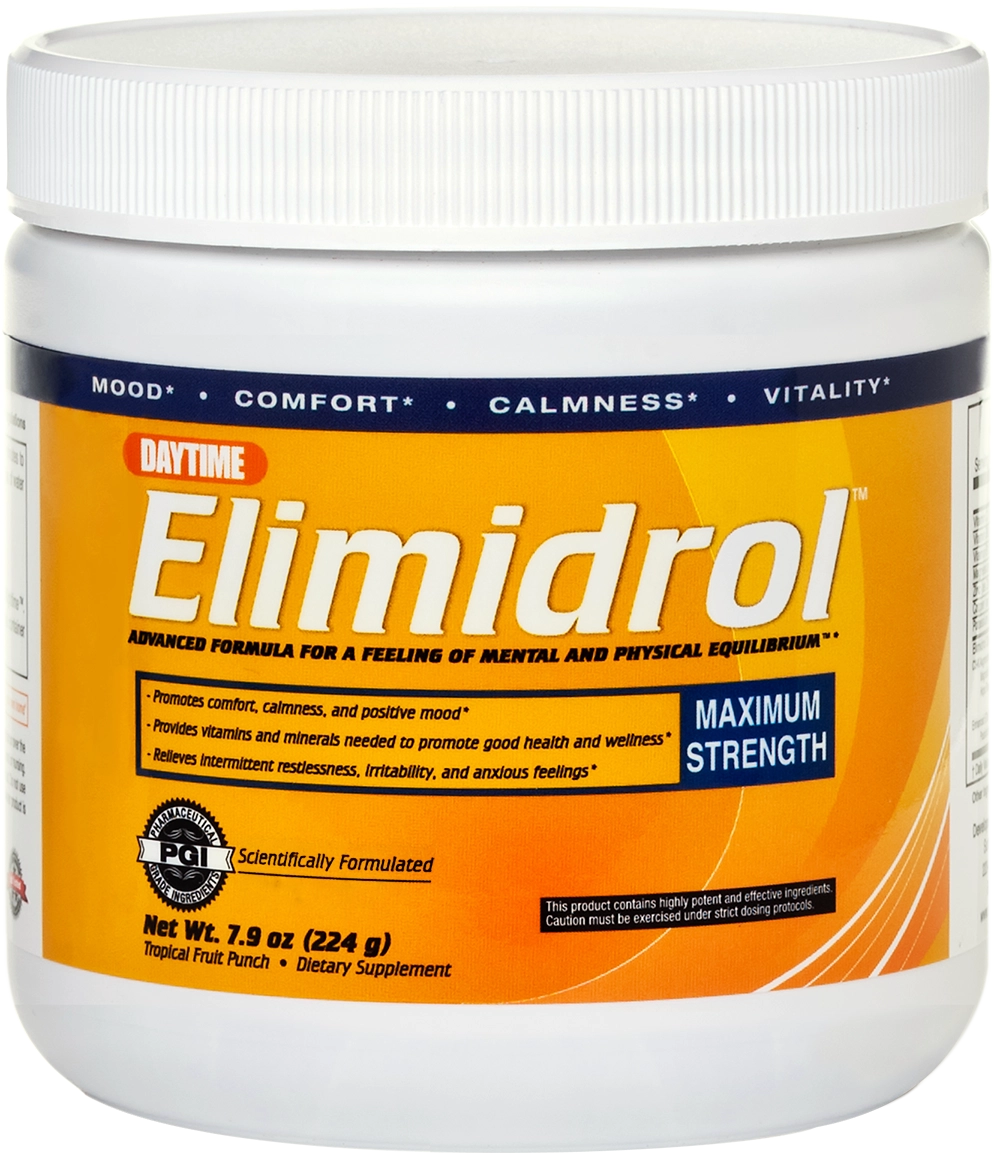
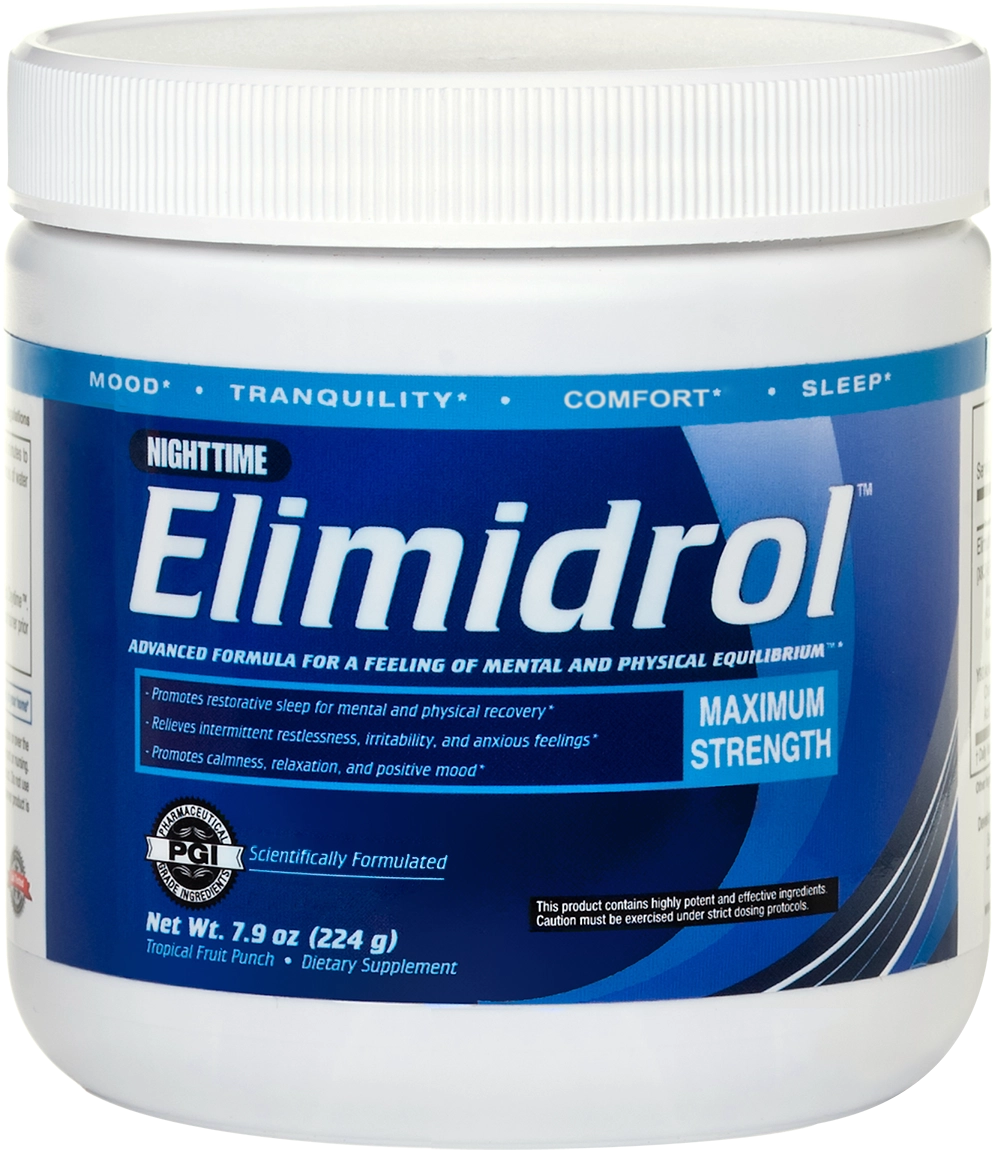
We developed Elimidrol to support mood, mental and physical comfort, calmness and an overall sense of well-being, and to help relieve intermittent restlessness, irritability and anxious feelings. Our Daytime Formula combines its proprietary blend with vitamins and minerals. Our Nighttime Formula is a separate blend focused on evening relaxation and restful sleep; it does not have Daytime’s vitamins-and-minerals section.
Explore the current Ingredients and Directions on each product page to choose the option that fits your needs alongside regular meals and the rest of your wellness routine.
Keep the wider picture in view
Food is one part of emotional well-being. Rest, movement, manageable expectations and time with supportive people deserve attention too. Pick one or two changes you can realistically maintain, then build from there. A routine that works on an ordinary busy day is more useful than one you can only follow under ideal conditions.