


Natural sleep supplements include several very different ingredients, from melatonin and magnesium to herbs such as valerian and chamomile. They do not all work in the same way, and “natural” does not mean a product is right for every person.
A useful choice starts with your sleep pattern: are you adjusting to a time change, struggling to wind down, or repeatedly waking unrefreshed? This guide explains common options and the practical differences that can help you choose.
Start with the pattern, not a long ingredient list
Your sleep is influenced by your body clock, how long you have been awake, your environment and daily habits. A late coffee, an irregular schedule and a demanding evening can all be worth reviewing before adding a product.
Keep a simple record of your bedtime, wake-up time, caffeine and how you feel the next day. If poor sleep persists or affects your ability to function, discuss it with a qualified healthcare professional rather than repeatedly increasing or combining supplements.
Common sleep-supplement options
1. Melatonin
Melatonin is a hormone involved in signaling nighttime to your body clock. Supplements may be useful for some timing-related problems, including jet lag, but they are not a universal answer to poor sleep. Evidence for shift workers is inconclusive, and persistent insomnia needs a more complete assessment.
Timing and amount depend on the situation and product. Follow its directions and seek individual guidance rather than assuming that more will work better. Our melatonin and sleep guide explains these distinctions.
2. Magnesium
Magnesium supports normal muscle and nerve function. It is available in food and in several supplement forms, but its role in the body should not be confused with an established sleep benefit for everyone who takes extra.
Be careful when comparing numbers. The NIH magnesium fact sheet lists an adult upper limit of 350 mg daily from supplements and medicines, excluding magnesium naturally present in foods and beverages. Total daily intake recommendations are a different measure. The amount of elemental magnesium also differs from the weight of the whole magnesium compound.
3. Valerian
Valerian root is a botanical commonly included in evening products. Different products use different preparations and amounts. NCCIH describes the evidence for sleep problems as inconsistent and notes limited long-term safety information.
Do not combine valerian with alcohol or sedatives. If you take medication, discuss the complete product with your healthcare professional.
4. L-theanine
L-theanine is an amino acid found in tea and sold in relaxation-focused supplements. Tea and a concentrated supplement are not interchangeable; tea can also contain caffeine, which may not suit your evening.
For an evening routine, check whether the product also includes caffeine or other ingredients intended for daytime use. Follow the directions for the complete product you choose.
5. GABA
GABA is a neurotransmitter involved in calming activity within the nervous system. Oral GABA also appears in sleep and relaxation products. The body’s normal use of GABA and the effects of taking a GABA supplement are separate questions, so the biological description alone does not establish a sleep outcome.
6. Chamomile
A cup of chamomile tea can be an enjoyable part of winding down. That routine is different from using a concentrated supplement to treat a sleep disorder. NCCIH notes that evidence on chamomile for insomnia is limited.
Chamomile may cause allergic reactions, particularly in people allergic to related plants such as ragweed. It can also interact with medicines.
Choose a complete product thoughtfully
- Match it to the purpose. An evening formula and a general nutrient supplement are different kinds of support.
- Check what you already take. A blend may include melatonin or other ingredients found in a separate product you use.
- Use the stated serving. Follow the product’s Directions instead of combining dose suggestions from different articles.
- Consider medicines and health history. Ask for guidance before use if you have a medical condition, take medication, are pregnant or nursing, or are considering a product for a child.
Do not drive or use machinery if a product makes you drowsy or impairs your alertness. If you notice unwanted effects, stop and seek advice appropriate to the symptoms.
Keep the evening routine simple
Pick a few habits you can repeat: a consistent wake-up time, a comfortable bedroom, less bright light close to bedtime and enough space between demanding work and sleep. Notice how caffeine, nicotine and alcohol affect your nights.
Our sleep hygiene guide offers practical ways to improve that foundation. Changing several products and habits at once can make it harder to tell what is helping, so keep track of the adjustments you make.
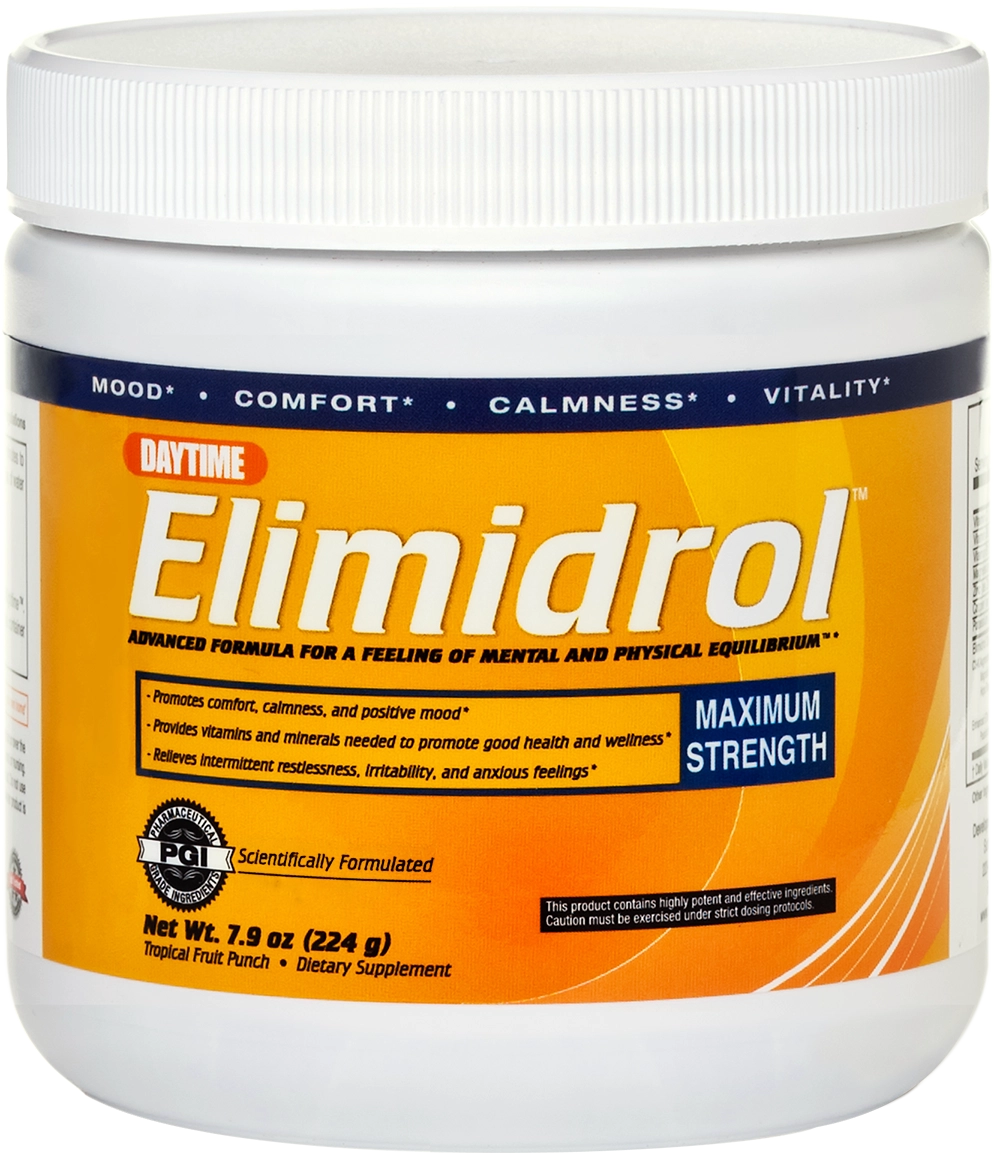
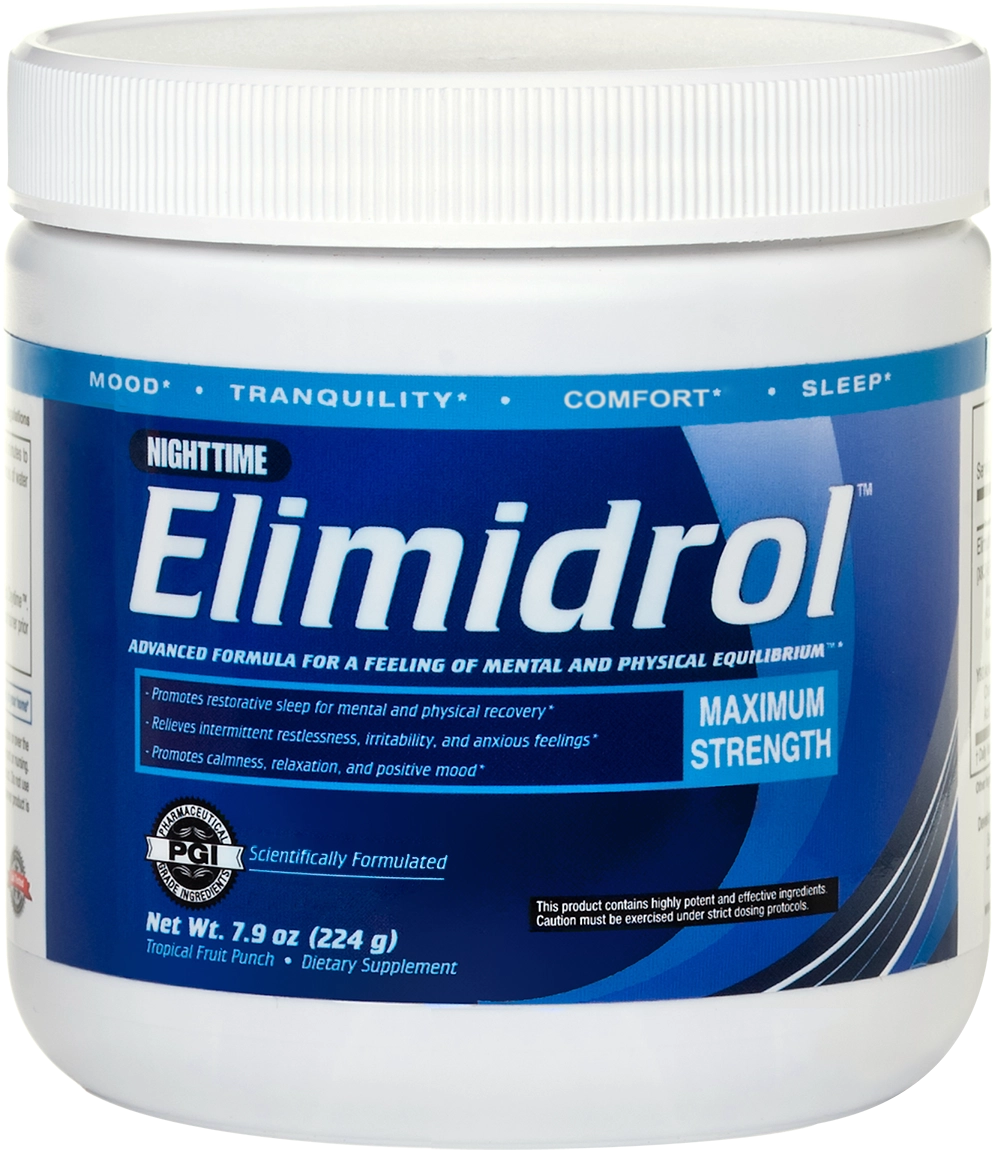
Elimidrol Nighttime Formula
We designed Elimidrol Nighttime for mood, mental and physical comfort, calmness and evening relaxation, with an emphasis on restful sleep. Its blend includes ingredients such as melatonin, chamomile, valerian, passionflower, lemon balm and GABA.
Nighttime also helps relieve intermittent restlessness, irritability and anxious feelings. It contains no magnesium; the ingredient sections above describe the wider sleep-supplement category. Visit the product’s Ingredients and Directions tabs for the complete formula and use information.
Frequently asked questions
Can I combine several sleep supplements?
Do not assume different product names mean different ingredients. Have a healthcare professional review the full combination before adding overlapping sleep products.
How quickly should a supplement work?
There is no universal timeline across ingredients, formulas and reasons for poor sleep. Follow the product’s directions and do not keep increasing the amount when you do not notice the change you expected.
What if I am tired even after enough time in bed?
Time in bed and restorative sleep are not identical. Persistent daytime sleepiness, repeated waking or other ongoing symptoms are reasons to seek an evaluation rather than simply choosing a stronger evening product.