


Quick answer: Daily habits can support mental health and help you respond to everyday stress. Start with enough sleep, manageable movement, regular meals, supportive relationships and a way to pause before reacting. Resilience means finding ways to recover and adapt, not staying calm through every difficult moment.
A demanding week can disrupt even a well-established routine. The useful question is not “How do I avoid all stress?” but “What helps me respond, recover and take the next step?” Small habits give you options you can return to when plans change.
What Stress Resilience Looks Like in Daily Life
Resilience can develop through practice, experience and support. Your circumstances also matter. A heavy workload, caregiving responsibilities or an ongoing conflict may require practical changes or help from others, not simply a more positive attitude.
Imagine a meeting runs late and disrupts the rest of your afternoon. A useful response might be to pause, decide which task still matters today and tell someone that another deadline needs to move. That is a practical use of resilience: adjusting to what happened without treating the whole day as lost.
Ten Habits That Support Mental Health and Resilience
1. Practice a Brief Pause
Take a minute to notice what you are feeling before choosing the next action. Follow a few comfortable breaths, step away from your screen or write down the thought that keeps interrupting you. You do not need to make your mind empty.
Practicing when the day is relatively calm can make the pause more familiar when pressure rises. For additional options, see our mindfulness guide.
2. Protect a Realistic Sleep Opportunity
Insufficient sleep can make concentration and emotional regulation harder. Keep a reasonably consistent sleep and wake schedule, and allow enough time for the rest you need. Many adults need about seven to nine hours, though individual needs differ.
Choose a short wind-down you can repeat. Reduce stimulating content, prepare for the next morning or read something you enjoy. After a difficult night, return to the routine when you can rather than abandoning it.
3. Move in Ways You Enjoy
Walking, dancing, yoga, cycling, swimming and strength work can support physical health and everyday mood. Pick an activity that fits your current ability and interests.
A short walk after lunch is a useful start if a longer session does not fit. Build gradually toward a more active week, without making every session an intense workout.
4. Keep Supportive People in Your Routine
Make contact before you feel completely overwhelmed. Arrange a call, share a meal or spend time on an activity with someone you trust. Strong connections can provide comfort, perspective and practical help.
Ask specifically for what you need: someone to listen, help with a task or advice on a decision. Those are different kinds of support, and being clear makes it easier for the other person to respond.
5. Make Meals and Hydration Dependable
Regular meals and enough fluids support daily health and energy. Keep a few easy combinations of produce, protein, fiber-rich carbohydrates and fats that you enjoy.
Fish, beans, nuts, whole grains and vegetables can all fit a varied diet. Convenient foods can help on busy days. Notice whether large amounts of caffeine leave you unsettled or make sleep more difficult, and adjust to your own response.
6. Set One Clear Boundary
A boundary can be simple: “I can help tomorrow,” “I need to finish this before taking on another task,” or “I am not available for that conversation tonight.” Choose words that are direct and respectful.
When demands exceed the time available, ask what should take priority. A routine cannot solve an unreasonable workload by itself.
7. Plan the Next Action, Not Every Possible Outcome
Break a large responsibility into a step you can actually complete. Instead of “sort out the entire project,” start with “list the decisions needed” or “send one question to the person who can answer it.”
Use a short task list or calendar if it helps. Leave room for interruptions and revise the plan when circumstances change.
8. Keep a Low-Pressure Hobby Available
Music, gardening, drawing, cooking, reading or making something with your hands can provide an enjoyable change of attention. The activity does not need to be productive or impressive.
Choose a version you can begin easily. Ten minutes with a sketchbook may fit a crowded evening better than waiting for a free afternoon.
9. Notice Something Good Without Dismissing the Hard Parts
A specific gratitude note can help you notice moments you might otherwise overlook: a useful conversation, a completed task or time outside. You can appreciate those moments and still acknowledge frustration or sadness.
Avoid turning gratitude into another obligation. One honest observation is enough.
10. Review and Adjust After a Setback
At the end of a demanding day, ask what helped, what made things harder and what you can change next time. Focus on information rather than self-criticism.
If a habit did not happen, try a smaller version or a more reliable cue. Resuming matters more than maintaining a perfect streak.
Build a Routine You Can Use on Difficult Days
Choose two habits from the list: one that supports your daily foundation and one that helps in a stressful moment. For example, protect a consistent wake time and take a brief pause before responding to an unexpected request.
Keep the first version small. Review whether it fits before adding more. Our daily well-being plan shows how meals, movement, connection and an evening wind-down can work together.
When More Support Would Help
Habits are useful support, but you do not have to handle persistent distress alone. If stress or changes in mood are interfering with work, relationships, sleep or daily functioning, talk with a qualified healthcare or mental health professional.
The NIH Emotional Wellness Toolkit offers further guidance on building resilience, coping with stress and finding support.
Common Questions
How long does it take to build resilience?
There is no fixed timetable. It depends on your circumstances, available support and what you are practicing. Look for useful changes, such as asking for help sooner or recovering your plan after an interruption, instead of expecting to stop feeling stress.
Can supplements help with everyday stress?
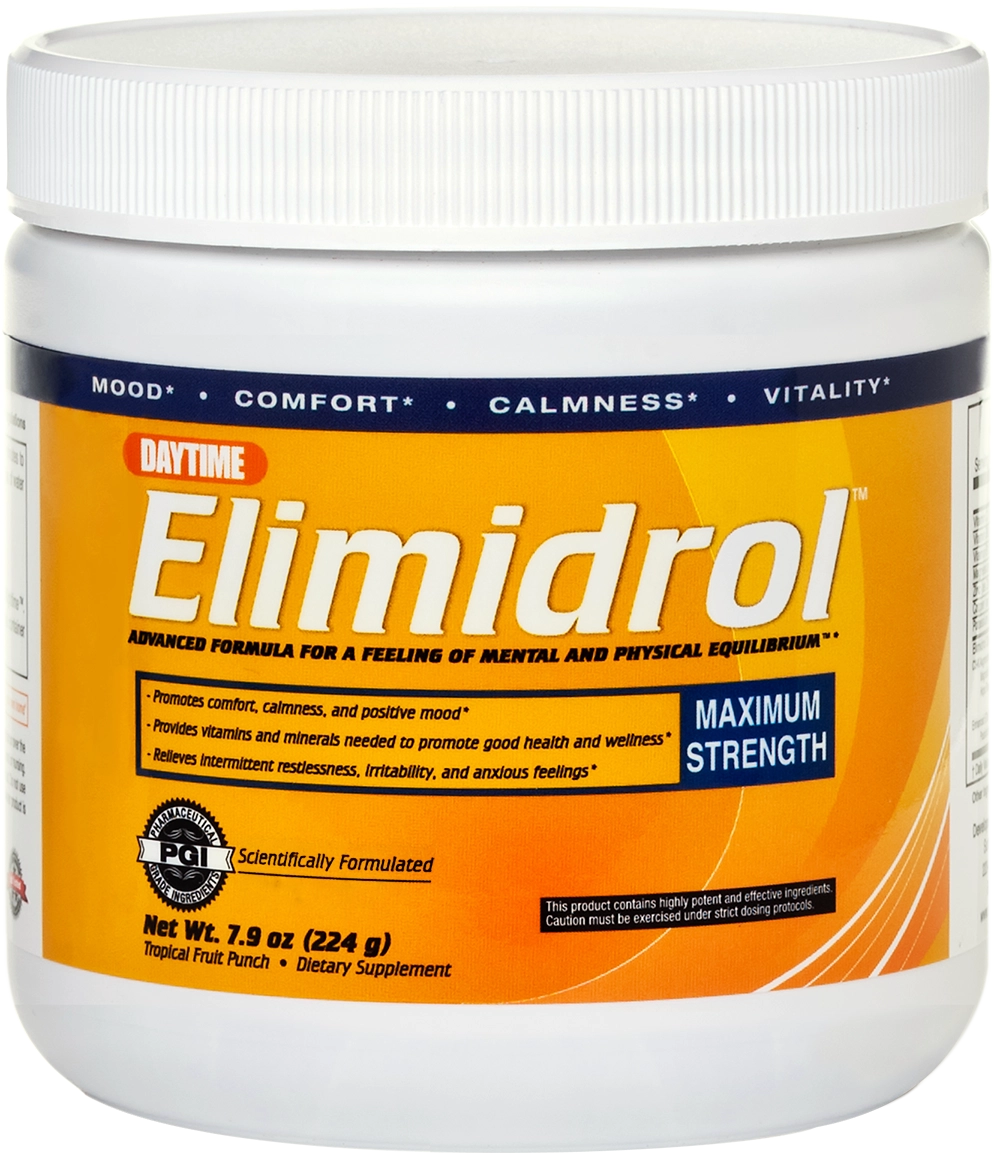
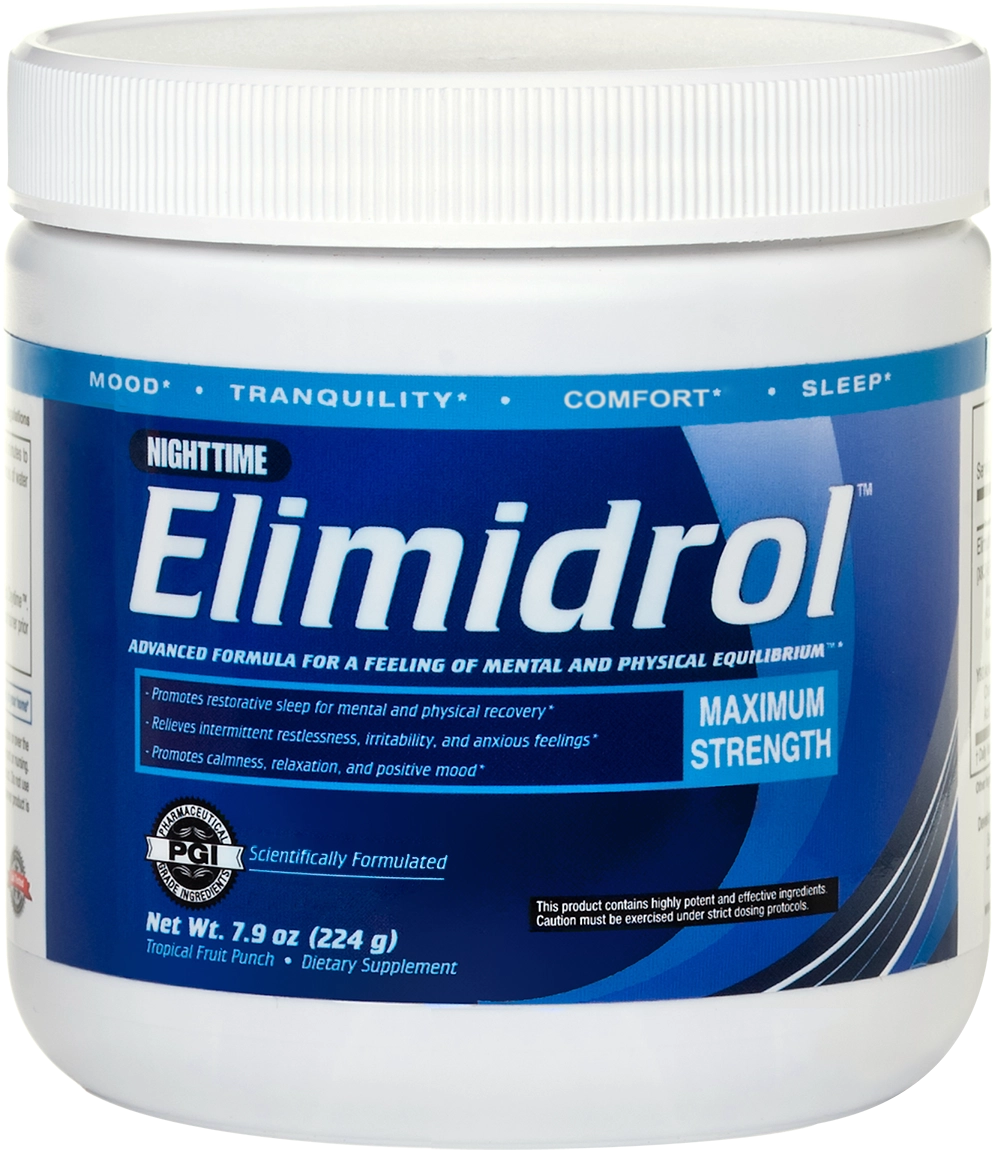
Some ingredients and products may offer support, but evidence and individual needs differ. For example, NCCIH reports possible stress benefits from some ashwagandha preparations, not every herb or formulation. Compare the intended benefits and directions, and ask a qualified professional about interactions or personal health considerations.
What should I do when the whole routine feels like too much?
Reduce it to the basics you need today: a meal, water, some rest, a short movement break or contact with someone supportive. Choose one next step. You can rebuild the rest as capacity returns.