


Quick answer
Sleep supplements are easier to compare when you start with a consistent evening routine. Check labels for ingredient clarity, serving size, timing, and fit with your wind-down habits. Be cautious with dramatic promises, and keep the basics in place: lower evening light, earlier caffeine cutoffs, regular meal timing, and a repeatable bedtime routine.
Start with the evening routine
Before comparing supplements, look at the routine around them. A steady wake time, lower evening light, less late caffeine, and a calmer last hour of the day all make product support easier to evaluate. If those basics change every night, it becomes harder to know whether a supplement is actually fitting your needs.
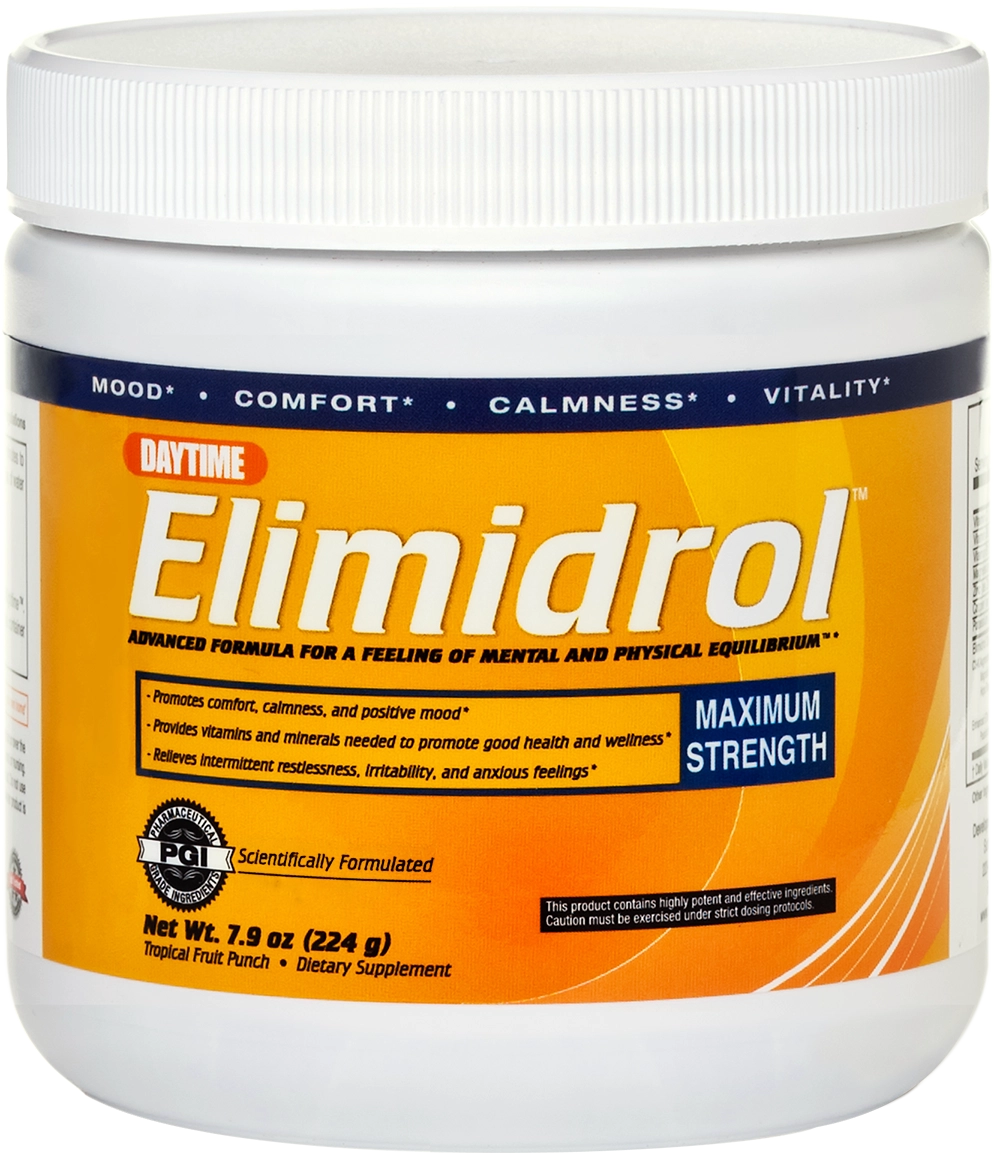
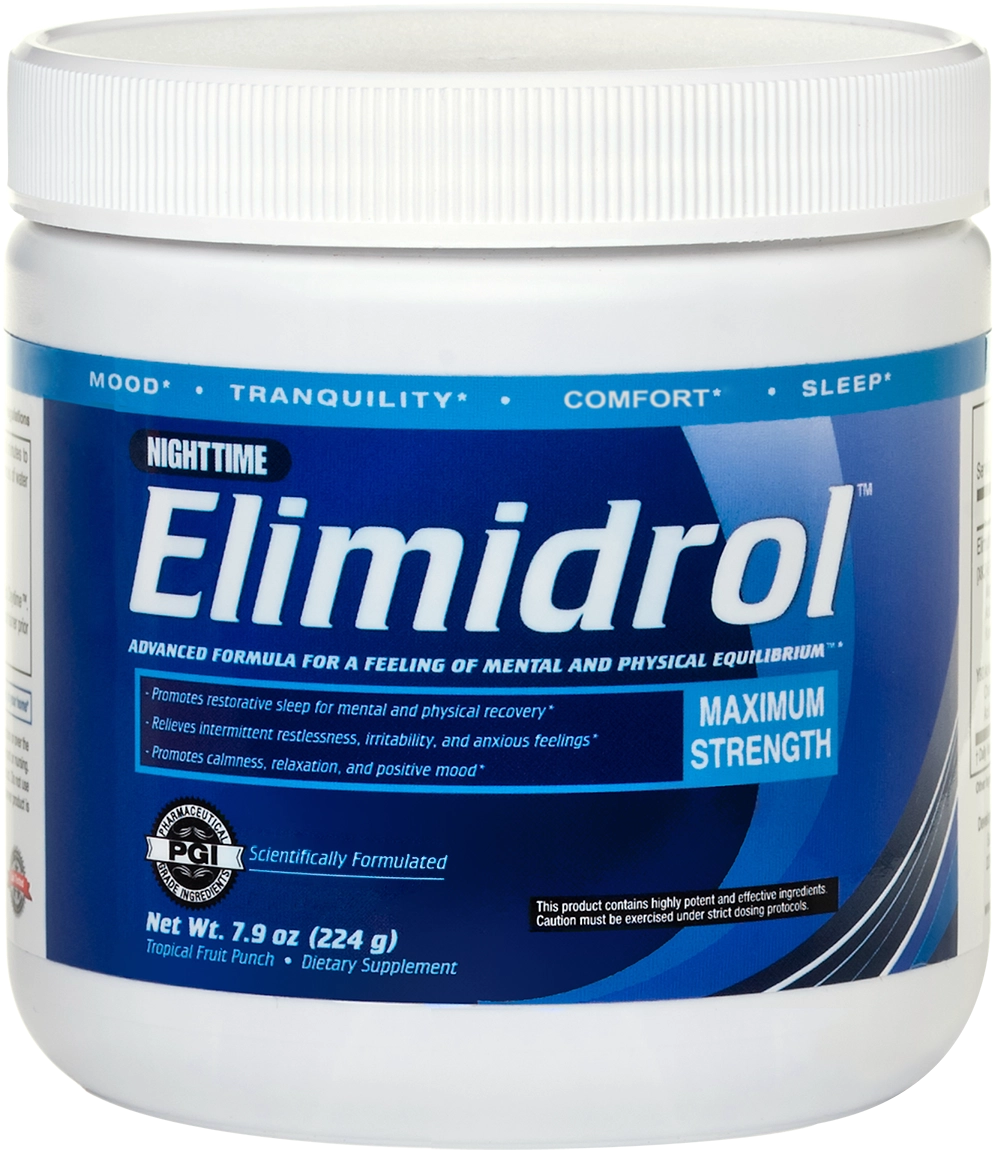
Elimidrol’s Nighttime Formula is designed for evening use, while the Daytime Formula is separate. Customers who want a day-and-night routine can compare both through the Day + Night system.
Common sleep-support ingredients
Melatonin
Melatonin is commonly used for short-term schedule support, especially when sleep timing has shifted. Many people prefer lower serving sizes and occasional use rather than treating it as a nightly habit by default.
Magnesium
Magnesium is involved in normal muscle and nervous system function. Some people use magnesium glycinate or similar forms in evening routines because they are easy to fit into a wind-down plan.
L-theanine
L-theanine is an amino acid often used for calm focus and relaxation. It is common in products meant to support an easier transition from a busy day to a quieter evening.
Chamomile and passionflower
These botanicals are often found in teas and nighttime blends. They are usually chosen for a gentle evening routine rather than for a forceful sedating effect.
What to avoid when choosing sleep supplements
- Overpromising labels: Be careful with products that promise perfect sleep or instant results.
- Unclear serving directions: Timing matters. A product should make it easy to understand when to take it.
- Stacking too many products: Combining multiple sleep products can make effects harder to judge.
- Ignoring your schedule: A supplement cannot make up for late caffeine, bright screens, or a constantly shifting bedtime.
A practical comparison checklist
- Does the product clearly say when to take it?
- Does the serving size fit your comfort level?
- Are the ingredients and intended use easy to understand?
- Does the product fit your evening routine without adding complexity?
- Does the label avoid exaggerated promises?
Sleep-support supplement FAQ
Should I take sleep-support supplements every night?
Many people start by using them occasionally while building stronger evening habits. Follow the product label and get personal guidance if you have health considerations or use other products.
Can I combine several sleep-support ingredients?
Some formulas combine ingredients intentionally, but stacking separate products on your own can make the routine harder to evaluate. Start simple and keep track of what changes.
Where does Elimidrol fit?
Elimidrol can fit as product support within a structured routine. The Nighttime Formula is the sleep-adjacent option, while the Daytime Formula is separate for daytime support. The Day vs Night guide explains the difference.
Bottom line
For occasional sleeplessness, the best supplement choice is the one that fits a simple, repeatable evening routine. Compare labels carefully, keep the basics in place, and avoid products that promise more than a supplement can responsibly offer.