


Improving sleep quality starts with enough time for rest and habits that make that time more comfortable. Both sleep duration and quality matter; one does not replace the other.
Use these ten tips as a practical checklist for adult sleep. Pick one or two that match the problem you actually notice, then give yourself time to see a pattern.

1. Choose a steady wake-up time
Get up at a similar time each day where your schedule allows it. A consistent routine supports your sleep-wake rhythm and gives you an anchor for planning the evening. Keep workday and weekend timing reasonably close instead of repeatedly shifting by several hours.
2. Leave enough time for sleep
Work backward from your wake-up time and protect a realistic sleep period. The CDC recommends seven or more hours for adults aged 18 to 60, with recommendations varying by age. Leave time to settle too, rather than counting every minute in bed as time asleep.
3. Make the room work for you
- Reduce disruptive light.
- Keep the temperature comfortably cool.
- Address the noise that most often wakes you.
- Adjust bedding to your comfort.
Start with an affordable change that solves a real problem. A comfortable bedroom does not require a collection of sleep gadgets.
4. Give screens a stopping point
Reduce bright light and stimulating device use before bed. It helps to decide when the final work task, video or message check ends. If you must use a screen, keep the task short and the light comfortable; a display setting alone does not create time to wind down.
5. Move caffeine earlier
Caffeine’s effects can last up to eight hours, according to NHLBI’s sleep guidance. If you find it hard to settle, reconsider afternoon or evening coffee, tea, energy drinks and other sources. Choose a caffeine-free alternative you enjoy and adjust your cutoff to your sensitivity.
6. Keep evening food and drink comfortable
Avoid a large, heavy meal close to bedtime if it leaves you uncomfortable. A light snack is fine when you are hungry. Foods such as fruit, yogurt or whole-grain toast can be convenient options, but they are not guaranteed sleep aids.
Alcohol may initially make you sleepy while disrupting sleep later. For more on meals and preliminary sleep-food studies, see our food and sleep guide.
7. Include regular daytime movement
Choose activity that fits your interests and abilities. Walking, swimming, cycling or an accessible home routine can all be ways to move. If an intense late workout leaves you alert at bedtime, try it earlier and keep the evening gentler.
8. Notice what naps do to your night
If long or late naps make it harder to fall asleep, reduce them or move them earlier. General NHLBI adult guidance recommends limiting naps to no more than 20 minutes. Shift work and other unusual schedules may require an individual approach.
9. Use a short, repeatable wind-down routine
Choose a few quiet activities that help you shift out of the day. For example, prepare tomorrow’s essentials, lower unnecessary light and read a few pages. Gentle breathing or relaxing your shoulders can be useful if it feels comfortable.
Keep the routine simple enough to repeat. It should give you space to settle, not become another performance target.
10. Match additional support to the problem
If sleep difficulty is persistent or affects your daytime activities, talk with a healthcare professional. CBT-I is usually the first treatment recommended for long-term insomnia; basic sleep habits are only part of that care.
Supplements also differ. Melatonin has specific sleep-timing uses, while valerian’s sleep evidence is inconsistent. Do not assume a list of common sleep ingredients means they work the same way.
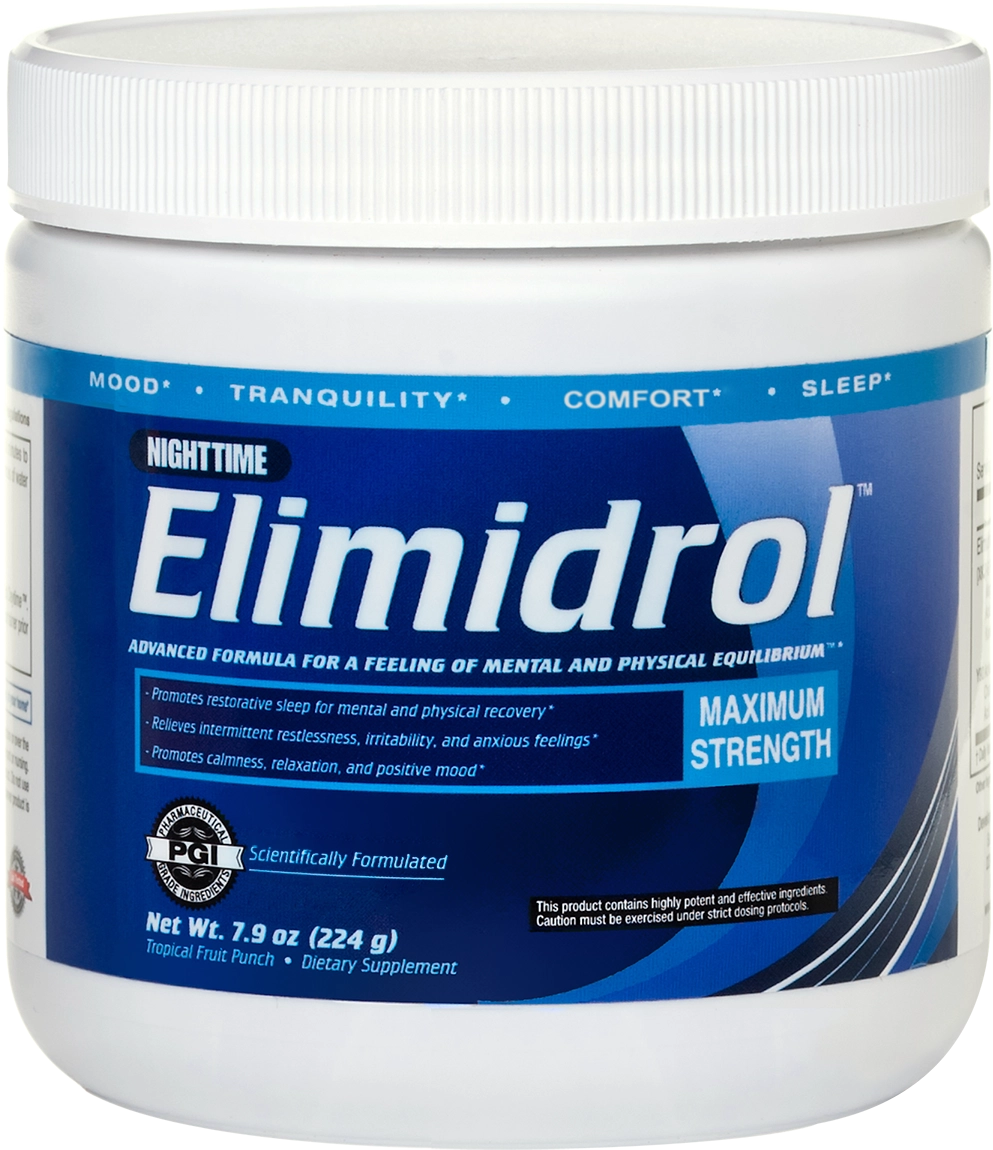
Elimidrol Nighttime supports evening comfort and relaxation, mood and calmness, with an emphasis on restful sleep. Read its full ingredients and current Directions to assess whether it fits your routine. If you take medicines or have a health condition, review your choice with a qualified healthcare professional.
Common questions about sleep quality
Is waking during the night always a problem?
A brief awakening is not the same as a persistent sleep difficulty. Notice whether waking is frequent or prolonged and whether it leaves you sleepy or impaired during the day. Discuss an ongoing pattern with a healthcare professional.
What if I spend enough time in bed but still feel tired?
Time in bed does not tell the whole story. Regular daytime sleepiness, repeated waking or loud snoring with gasping or breathing pauses deserves assessment. Do not drive when you feel too sleepy to do so safely.
How should I start?
Choose two changes that respond to your routine, such as an earlier caffeine cutoff and a consistent stopping point for work. Keep brief notes for several days, then decide what to keep. For more personalized planning, see our guide to building a sleep routine that fits your life.