


Quick answer: mood support trends worth watching
The most useful mood support trends are not dramatic hacks. They are tools that make basic habits easier to notice and repeat: simple tracking, realistic routines, better sleep cues, movement, connection, and clearer supplement labels. View bold promises, instant-result claims, and one-size-fits-all plans with caution.
Trend 1: wearables as pattern finders
Wearables can help you notice patterns in sleep timing, movement, and daily routines. Their best role is prompting questions: Does a late schedule make the next morning harder? Do walking days feel different from sitting-heavy days? Does a reminder help you take a break?
A wearable estimate is not a diagnosis and does not need to become a score you chase. Use trends over time, compare them with how you actually feel, and ask a qualified professional about persistent concerns.
Trend 2: wellness apps with smaller prompts
Apps are becoming more useful when they reduce friction rather than add another complicated program. A two-minute breathing prompt, a short gratitude note, a reminder to contact someone, or a consistent bedtime cue can be easier to repeat than a long daily session.
The National Institute of Mental Health highlights movement, regular meals, hydration, sleep, relaxing activities, priorities, gratitude, and connection as practical self-care areas. An app can organize those actions, but it does not replace them.
Trend 3: personalized routines without over-optimization
Personalization is useful when it reflects your schedule, responsibilities, preferences, and health context. It becomes less useful when every meal, walk, emotion, and hour must be optimized.
Start with the basic three-anchor daily wellness routine: one morning action, one midday reset, and one evening wind-down cue. Add complexity only when it solves a real problem.
Trend 4: supplement transparency over ingredient hype
More ingredient content does not always mean better decision-making. The useful questions remain straightforward:
- Does the label list the exact ingredients and amounts?
- Do the directions fit the intended time of day?
- Are cautions and serving instructions easy to find?
- Could an ingredient interact with a medication or health condition?
- Is the claim more specific than the available evidence supports?
The NCCIH guide to using dietary supplements wisely notes that evidence varies widely, products sold to consumers may differ from those studied, and supplements can interact with medications or create risks in some circumstances.
Trend 5: social connection as part of the routine
Wellness content often focuses on solo tools, but connection is a practical part of emotional well-being. The CDC’s emotional well-being guidance includes relationships, communication, healthy coping, mindfulness, gratitude, and physical health.
A recurring walk, shared meal, short check-in, or scheduled call can be more useful than collecting another wellness app.
A practical-versus-hype checklist
A trend is more likely to be useful when it:
- fits your real schedule;
- has a clear, limited purpose;
- does not promise a certain result;
- lets you stop without losing money or access to your own data;
- encourages informed label reading and professional guidance where appropriate; and
- supports basic habits rather than claiming to replace them.
Be cautious when a trend relies on urgency, proprietary scores that are not explained, celebrity anecdotes, fear, or a large stack of products.
Run a one-week experiment
Choose one action—not five—and define what you are testing. For example: “I will take a ten-minute walk after lunch on four days,” or “I will silence notifications during my evening wind-down.” At the end of the week, ask whether the action was practical, repeatable, and helpful enough to keep.
Where Elimidrol fits
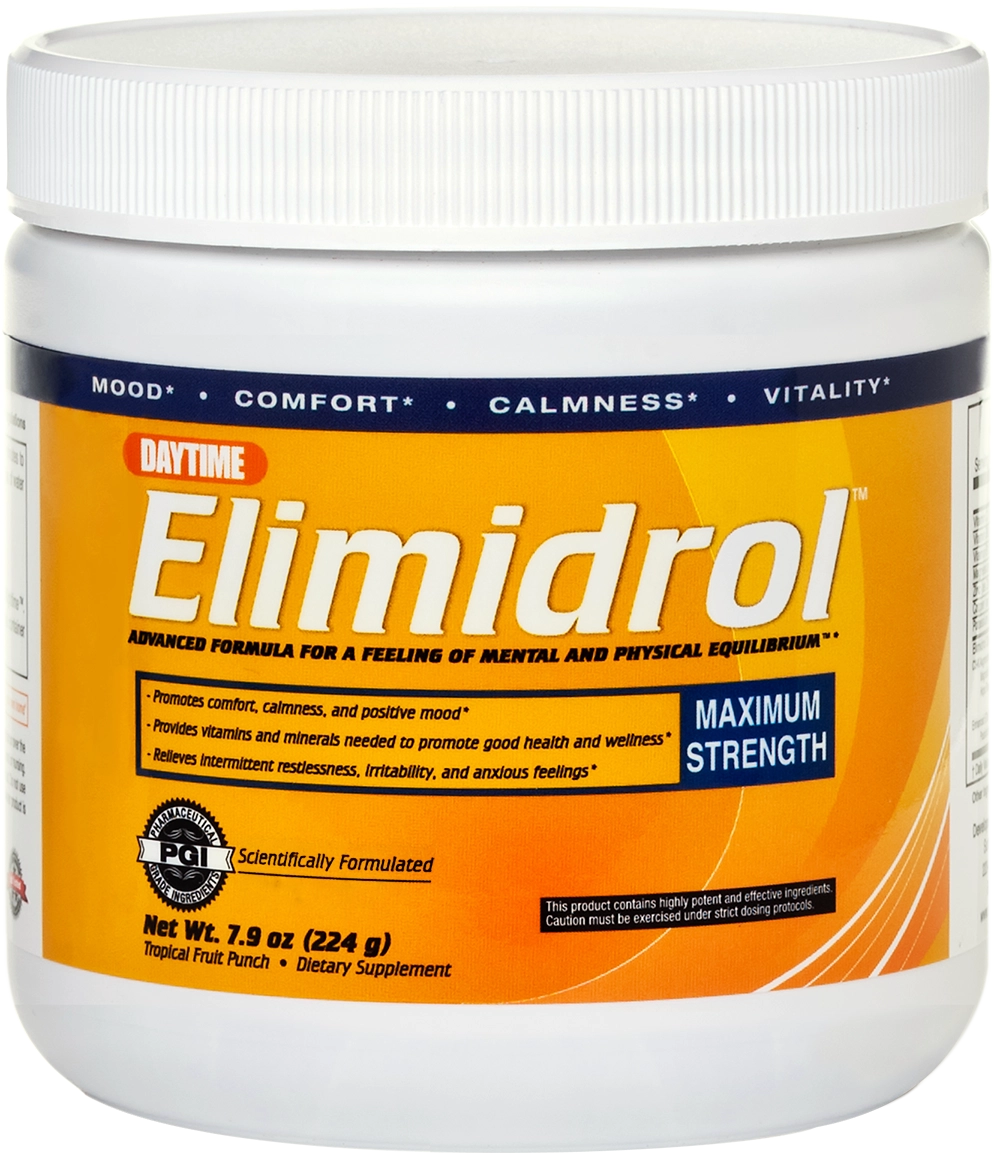
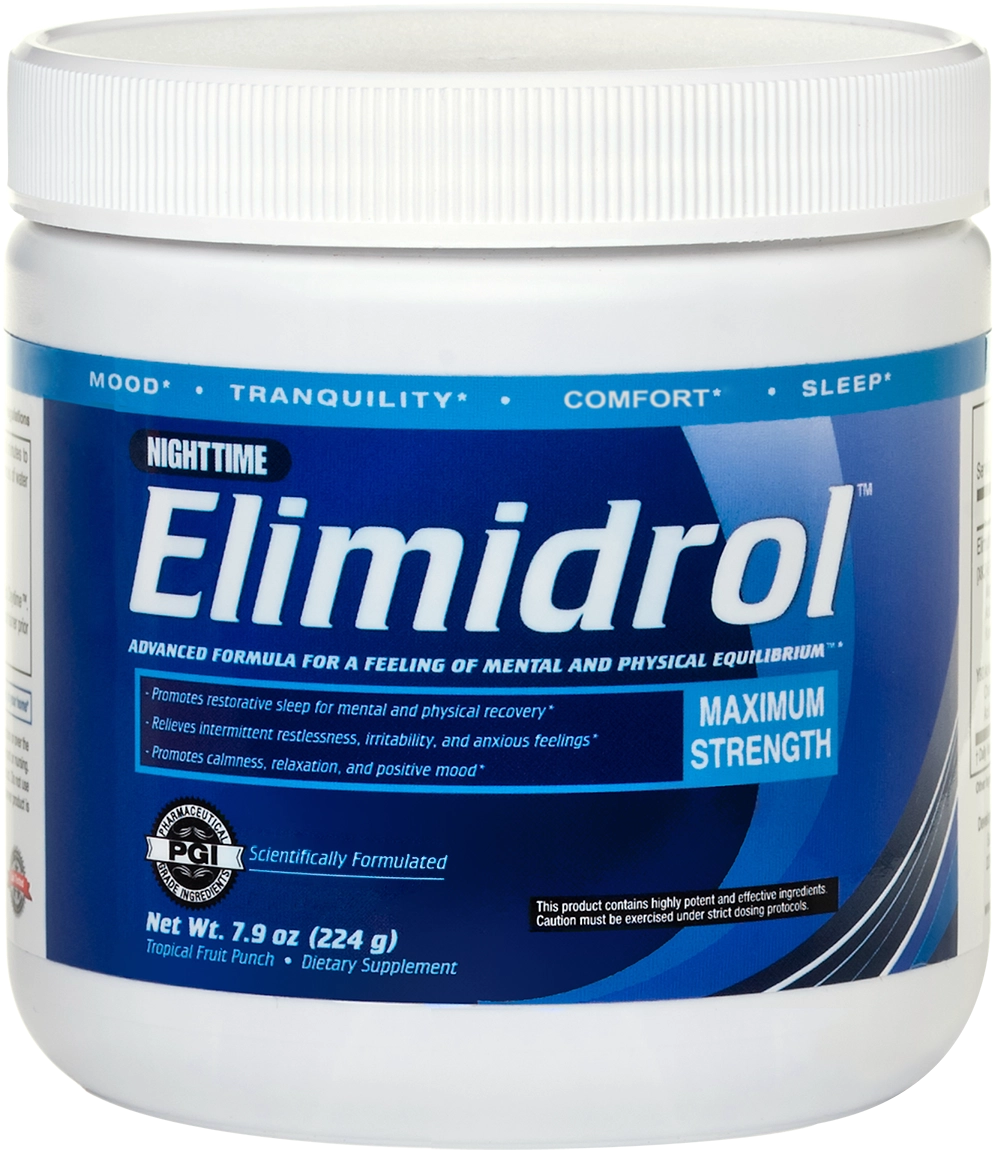
If you are considering daytime and evening routine support, use the label-first Elimidrol Day vs. Night comparison. Supplements should sit inside a broader routine that includes sleep, meals, movement, and support—not become the entire routine.
The takeaway
The strongest mood support trend is a move toward realistic, repeatable decisions. Use technology to notice patterns, choose routines you can sustain, read supplement labels carefully, and give basic habits more weight than novelty.