


Sleep and mood influence each other. After a difficult night, you may have less patience, find it harder to concentrate or feel less able to handle ordinary demands. In the other direction, stress and intermittent anxious feelings can make it harder to settle when the day is over.
Understanding that connection gives you two useful places to start: support your sleep routine and make the daytime load more manageable. You do not have to solve every source of stress before taking a helpful step.
How sleep supports emotional well-being
Sleep helps the brain with learning, memory, attention and emotional regulation. The National Heart, Lung, and Blood Institute explains that sleep deficiency can make it harder to manage emotions, make decisions and cope with change.
This relationship involves several interacting processes, not a simple reset of one feel-good chemical. Getting adequate, good-quality sleep can support a steadier day without guaranteeing that every worry or low mood will disappear.
Notice the changes that matter to you: whether you can focus on a conversation, respond more patiently or carry out the day’s tasks without feeling overwhelmingly sleepy.
Recognize the two-way pattern
Imagine a busy day followed by an evening spent catching up on work. Bedtime moves later, and the next morning feels harder. Fatigue makes small frustrations more difficult to handle, so the following evening begins with more tension.
That is an example, not a diagnosis or an explanation for every sleep problem. It does show why a change on either side of the pattern can be useful. An earlier work stopping point might protect sleep; a calmer response to a stressful day might make winding down easier.
A short note can help you see your own pattern. Record when you went to bed, how the night felt, and what your mood and energy were like the next day. Add obvious context such as a late coffee, an argument or an unusually demanding shift.
Support sleep with a few repeatable habits
- Leave enough time for rest. A full evening schedule can crowd out sleep even when the bedroom is comfortable.
- Keep a steady wake-up time where possible. Build your evening around the amount of sleep you need before it.
- Make the room quieter, darker and comfortably cool. Focus first on the condition that most often disturbs you.
- Choose a simple wind-down activity. Reading, a shower, quiet music or gentle breathing can create a transition out of the day.
- Review caffeine and alcohol. Late caffeine may keep you alert, while alcohol can disrupt sleep even if it initially makes you sleepy.
For a fuller plan, see what sleep hygiene means. A few realistic habits are more useful than a long routine you cannot maintain.
Care for the daytime side too
Regular meals, manageable movement and contact with supportive people can help you build a steadier day. When you are tired, choose a smaller next step instead of treating every task as equally urgent.
If a concern keeps returning at bedtime, give it attention earlier. Write down what is within your control, identify one action and decide what can wait. You can also talk through a difficult situation with someone you trust.
These habits support everyday well-being. Persistent anxiety, low mood or sleep difficulty that interferes with life deserves individual help, whether or not you are already working on your routine.
Where supplements and Elimidrol can fit
Sleep-related supplements are not interchangeable. Melatonin is involved in sleep timing and has evidence for particular uses, such as jet lag. That is different from assuming it is the right answer to every restless night. Valerian’s sleep evidence is inconsistent, and information about chamomile for insomnia is limited. A tea can still be an enjoyable part of a calming evening.
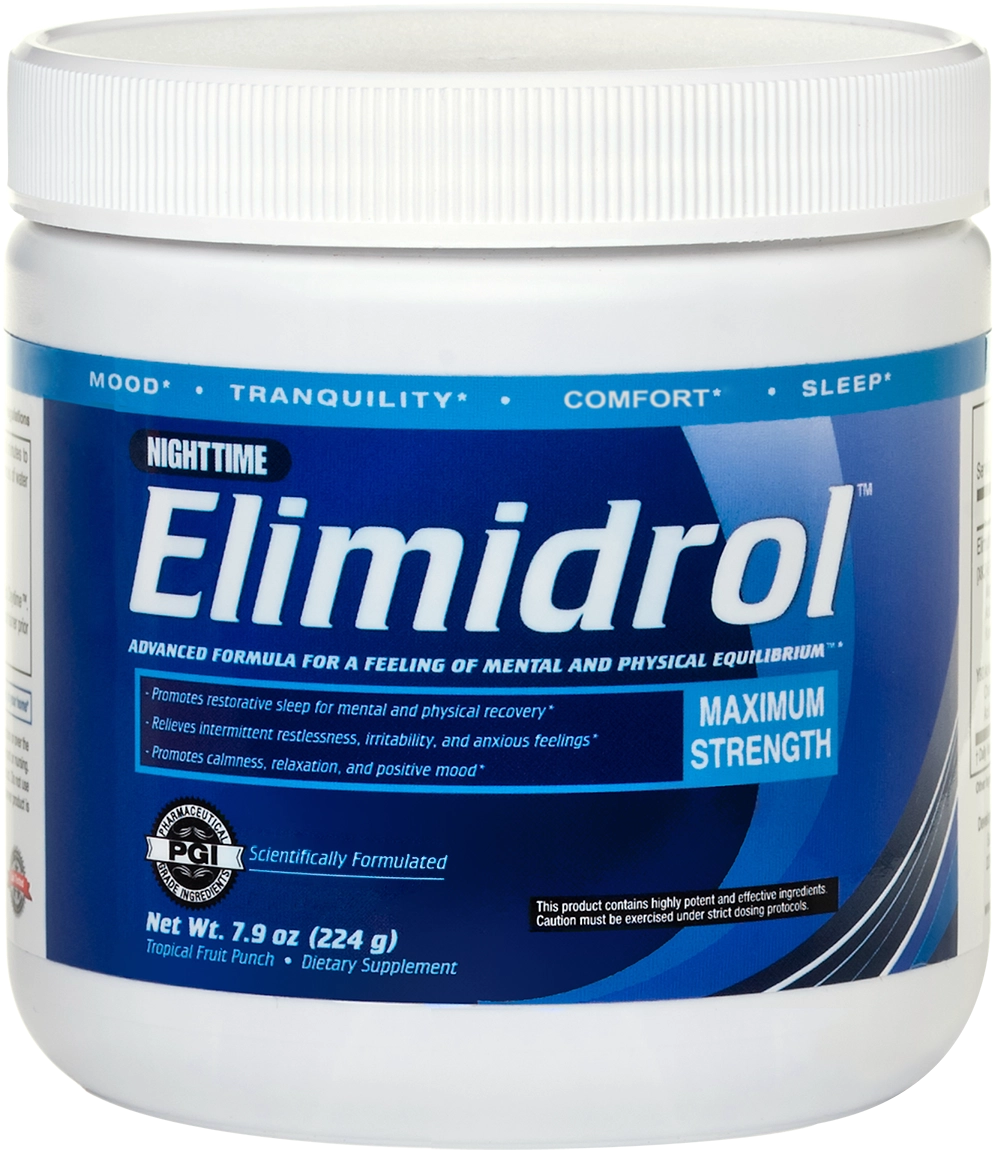
Elimidrol offers two formulations for different parts of your routine. Daytime promotes mood, mental and physical comfort, calmness and an overall sense of well-being. Nighttime supports evening comfort and relaxation, mood and calmness, with an emphasis on restful sleep. Both are designed to relieve intermittent restlessness, irritability and anxious feelings.
Read each product’s complete ingredients and current Directions rather than assuming the formulations or their use are identical. If you take medicines or have a health condition, review your choice with a qualified healthcare professional.
When to get more support
Speak with a healthcare professional if sleep problems continue, daytime sleepiness affects your activities, or changes in mood feel persistent or difficult to manage. For long-term insomnia, CBT-I is usually the first treatment recommended, rather than relying only on sleep tips or supplements.
You can begin with a modest goal: protect a realistic sleep period and choose one daytime habit that makes life feel more manageable. Sleep and emotional well-being work together, and both deserve attention.