

Maintaining a positive attitude does not mean feeling cheerful all the time. It means making room for difficult feelings while looking for a useful response to what is happening.
You cannot control every event or think your way out of every problem. You can practice noticing what is within your influence, taking manageable steps and accepting support when you need it.

Start with a Realistic View of the Situation
A positive outlook is most useful when it stays connected to reality. “This is hard, and I can take one step” leaves room for both the difficulty and your ability to respond. “Everything is fine” may not help when something genuinely needs attention.
Name the feeling first: disappointed, frustrated, worried or tired. Then separate the facts from your prediction about them. One missed deadline is a problem to address; it does not establish that you are incapable of doing your job.
Mood and well-being involve many influences, including sleep, relationships, circumstances and health. A positive attitude is not a simple way to balance brain chemicals or a guarantee of better physical health.
Practice Reframing Without Forcing Positivity
Reframing means considering a more balanced interpretation, not replacing every uncomfortable thought with a cheerful one. Try these three questions:
- What happened? Describe the event without labeling yourself.
- What am I assuming? Notice conclusions that go beyond what you know.
- What is a useful next step? Choose something specific and within reach.
For example: “My friend has not replied” is a fact. “They no longer care about me” is an assumption. A balanced alternative is, “I do not know why they have not replied. I can give them time or check in later.”
This everyday exercise is not the same as receiving cognitive behavioral therapy. If thought patterns are difficult to manage, a qualified therapist can offer structured support.
Set Goals Small Enough to Act On
A vague goal such as “be more positive” is hard to put into practice. Choose a behavior instead: take a lunch break, prepare for one difficult conversation or spend ten minutes on a task you have been avoiding.
For a larger goal, identify the next visible action. “Improve my finances” might begin with listing this month’s regular bills. “Reconnect with friends” might begin with suggesting a time for a call.
Notice progress without demanding a particular feeling afterward. Completing a step can be worthwhile even if you still feel discouraged. If the step is too large, make it smaller.
Make Room for Rest, Food and Movement
It can be harder to respond patiently when you are hungry, exhausted or have been sitting at a screen for hours. Check those needs before treating a difficult afternoon as a failure of attitude.
- Eat regular meals that fit your needs and preferences.
- Keep water available and drink enough for your activity and circumstances.
- Take a movement break that suits your ability, such as walking or gentle stretching.
- Protect time for sleep and a wind-down routine where your schedule allows.
These habits support everyday well-being, but no single food or workout guarantees a positive mood. Our guide to building a practical self-care routine can help you choose a starting point.
Choose Supportive Connections and Manage Overload
Spend time with people who can listen without requiring you to hide how you feel. A helpful conversation might begin, “I have had a frustrating day. Could you listen for a few minutes?” If you want advice, say that too.
Notice inputs that leave you overwhelmed. You might shorten a news session, mute a distracting notification or set a boundary around work messages. The goal is to make room for attention and recovery, not avoid every difficult topic or person.
The NIH Emotional Wellness Toolkit includes practical suggestions for coping with stress and strengthening social connections.
Consider Optional Support for Everyday Mood and Comfort
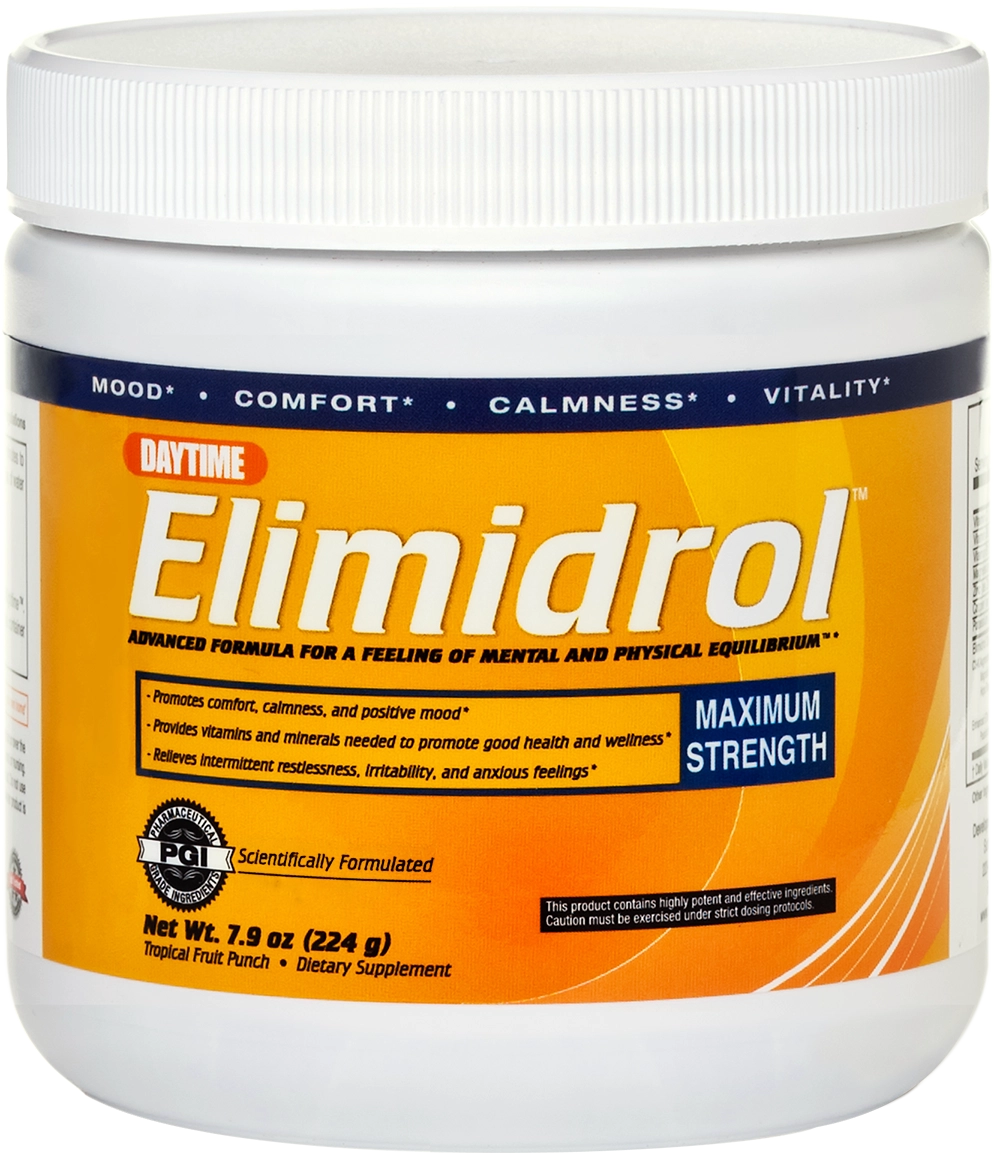
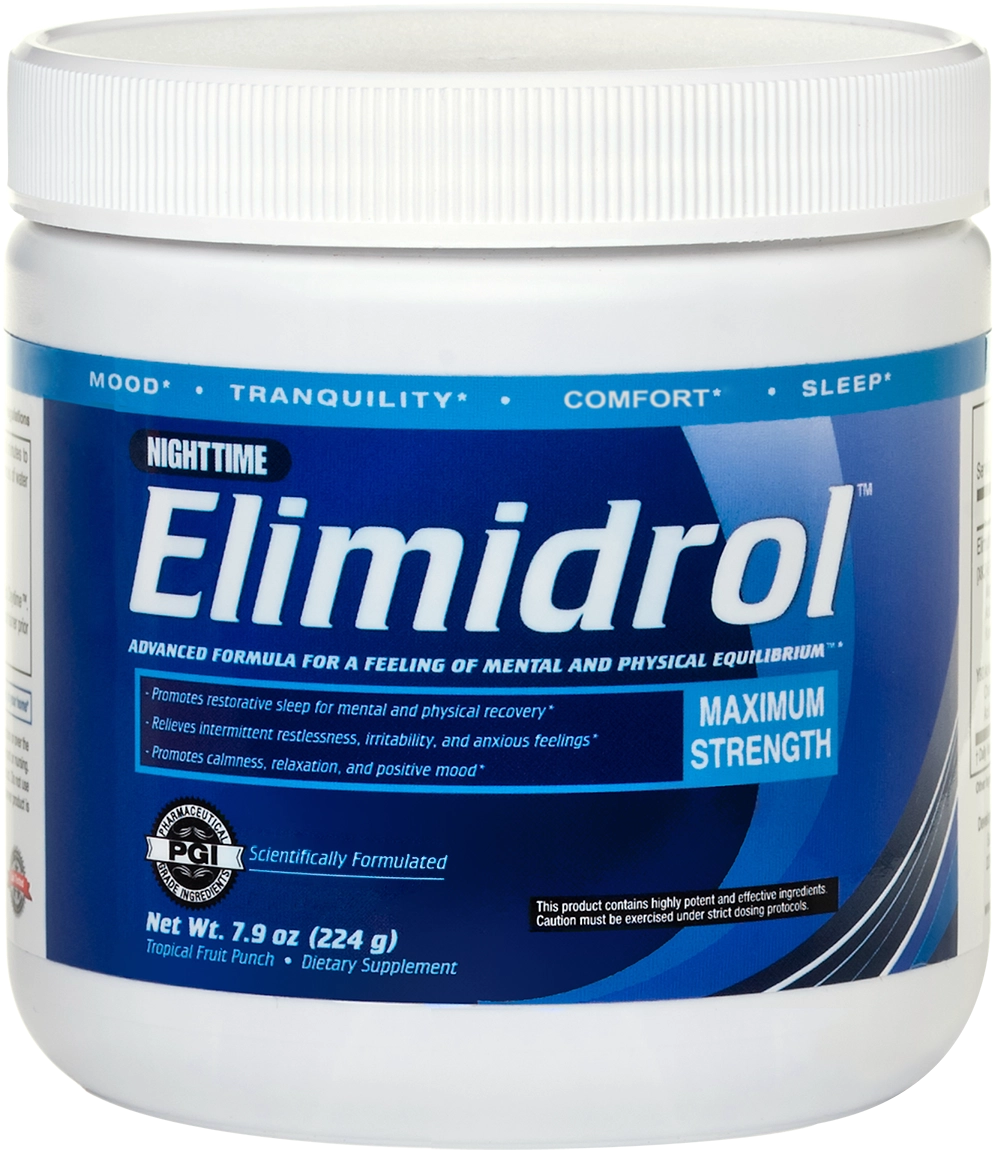
Elimidrol Daytime is formulated to support a positive mood, calmness, and mental and physical comfort, with support for intermittent anxious feelings, restlessness and irritability. Elimidrol Nighttime provides nighttime support for relaxation and restful sleep. Either can be considered as optional support within an appropriate wellness routine.
Follow the current product directions. If you take medication, have a health condition or have questions about suitability, ask a healthcare professional before use.
Keep the Next Step Manageable
Choose one thing to practice today: a more balanced interpretation, a short break or a conversation with someone supportive. At the end of the day, notice what was useful and what still needs attention.
You do not have to turn every setback into a lesson immediately. When low mood or distress persists or interferes with daily life, professional help is a practical next step, not a failure to think positively.
Disclaimer: This article is for general information, not personalized medical advice.