



Quick answer
Gut health and emotional well-being are connected through everyday factors like digestion, nutrient intake, sleep timing, and stress response. The most useful approach is not a single supplement or food. It is a steady routine that supports digestion, balanced meals, movement, rest, and realistic daily habits.
This guide explains the gut-brain connection in practical terms and shows how to build a routine that supports both digestive comfort and day-to-day emotional balance.
Why gut health and mood routines are linked
The digestive system and brain communicate through nerves, hormones, immune signals, and the gut microbiome. This communication is often called the gut-brain axis. When digestion, sleep, meals, and daily stress are out of rhythm, many people notice that their energy, focus, and emotional balance feel less steady.
That does not mean every mood change starts in the gut. It means digestive routines are one useful part of a broader wellness picture. Consistent habits can help create a steadier foundation for how you feel during the day.
Food habits that support the gut-brain routine
A gut-supportive eating pattern is usually simple and consistent. Aim for meals that include fiber-rich foods, protein, colorful plants, and enough fluids. These basics help support digestion and provide nutrients the body uses for energy and daily function.
- Fiber: Oats, beans, lentils, fruit, vegetables, and whole grains help support digestive regularity.
- Fermented foods: Yogurt with live cultures, kefir, sauerkraut, and kimchi may fit well for people who tolerate them.
- Protein: Eggs, poultry, fish, tofu, beans, and similar foods help meals feel more balanced.
- Hydration: Water supports digestion and helps daily routines feel less scattered.
Start small. One steady breakfast, one extra serving of fiber, or one consistent water habit is often easier to maintain than a full routine overhaul.
Sleep, movement, and daily rhythm
Gut routines do not stop at food. Sleep timing, movement, and meal timing all influence how steady the day feels. A short walk after meals, a regular wake time, and a screen-light wind-down can all support a calmer evening routine.
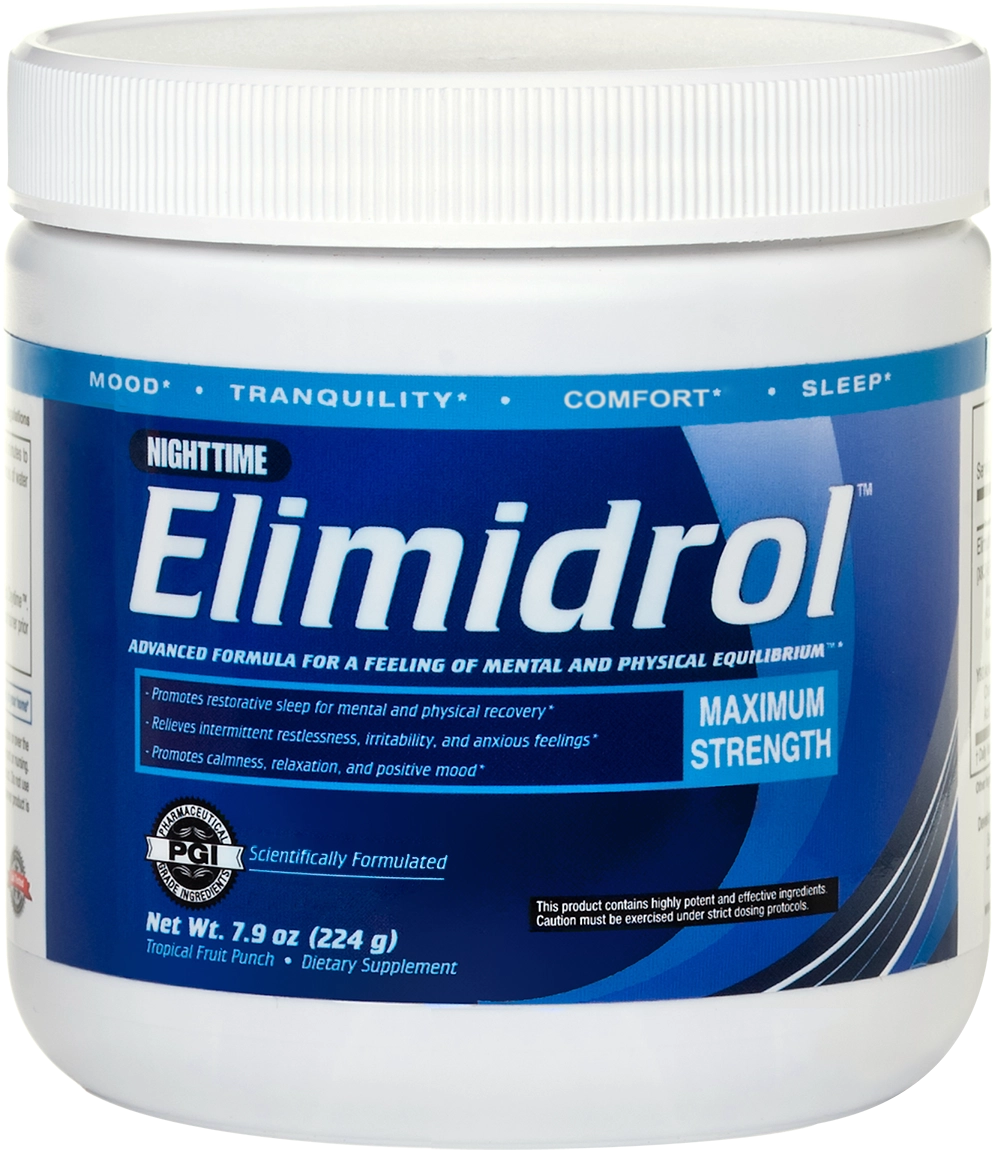
If your routine already includes Elimidrol, think of it as one part of the day-night structure, not a replacement for the basics. The Elimidrol Day + Night system is built around separate daytime and nighttime support options, which can fit alongside meal, movement, and rest habits.
How to build a simple gut-and-mood support routine
- Choose one meal anchor. Keep one daily meal balanced and predictable for two weeks.
- Add one fiber source. Pick oats, berries, beans, lentils, or vegetables you actually like.
- Keep caffeine timed. Notice whether late caffeine makes evenings harder to settle.
- Use light movement. A walk after lunch or dinner can support both digestion and daily rhythm.
- Keep the evening simple. Lower lights, reduce screens, and give your body a repeatable cue that the day is winding down.
Gut health and emotional well-being FAQ
Can gut health influence how steady I feel?
It can be one factor. Digestion, meal quality, sleep, hydration, and daily stress patterns all interact. Supporting gut health is best viewed as part of a bigger wellness routine.
Do I need a complicated diet plan?
No. Most people get more value from consistent basics: fiber-rich foods, enough protein, hydration, and meal timing that fits their real schedule.
Where does Elimidrol fit?
Elimidrol can fit as product support within a broader routine. The Daytime Formula and Nighttime Formula are separate options, and many customers compare them through the Day vs Night guide before choosing a routine.
Bottom line
Gut health and emotional well-being are best supported through repeatable daily habits. Keep the plan practical: balanced meals, fiber, hydration, movement, a consistent sleep rhythm, and product support only where it fits your routine.