

Quick answer: Ingredient names alone do not tell you whether a mood support supplement is a good fit. Compare the ingredient’s role, amount or blend information, suggested timing, label warnings, and possible interactions. For a step-by-step framework, start with our mood support supplement label guide.
How to Use This Ingredient List
This guide describes ten ingredients commonly found in mood, relaxation, or daytime wellness supplements. It does not rank them or promise a particular result. Research quality, ingredient form, amount, combination, and individual response all matter.
Before adding a supplement, compare its full label with any medication and other supplements you already use. Ask a qualified healthcare professional or pharmacist about interactions if you are pregnant or nursing, have an ongoing health concern, or use medication.
1. Kava
Kava is a botanical traditionally prepared as a beverage in parts of the South Pacific. In supplements, it often appears in relaxation-oriented blends.
Safety deserves as much attention as the marketing. The National Center for Complementary and Integrative Health’s kava overview discusses research limitations, medication interactions, and rare but serious reports of liver injury. Avoid combining kava with alcohol or other substances that cause drowsiness unless a qualified professional says the combination is appropriate.
2. Phenylalanine
Phenylalanine is an amino acid found in protein-containing foods and used by the body to make proteins and other molecules. Supplement labels may list L-phenylalanine or DL-phenylalanine.
Do not assume that its biochemical role proves a broad mood effect. Amounts, forms, and individual health factors matter. People with phenylketonuria must limit phenylalanine and should follow their clinical guidance.
3. Asian Ginseng
Asian ginseng, also called Panax ginseng, is commonly used in daytime or vitality-oriented formulas. Labels may identify a standardized extract and a ginsenoside percentage.
The NCCIH Asian ginseng fact sheet explains that evidence varies by use and notes possible side effects and interactions. Review timing because sleep disruption is a commonly reported side effect, and ask about interactions if you use blood-sugar, blood-clotting, or other medication.
4. Gotu Kola
Gotu kola, or Centella asiatica, is a botanical with a long history of traditional use. It appears in some daytime and general wellness blends.
Traditional use is not the same as proof of a specific outcome. Look for the plant name, part used, extract information, and serving directions. Use extra care when combining multiple botanical products because their effects and interaction profiles can overlap.
5. 5-HTP
5-HTP, or 5-hydroxytryptophan, is a compound the body can use in serotonin production. That pathway is also why interaction screening is important.
Do not combine 5-HTP with medication or other supplements that affect serotonin without professional guidance. A biochemical pathway does not by itself establish that a product will deliver a particular result.
6. Oat Bran
Oat bran is the fiber-rich outer layer of the oat grain. It contributes carbohydrates, fiber, and nutrients and can appear as a food ingredient or a component of a blend.
Oat bran should not be presented as a stand-alone mood solution. If it appears on a supplement label, consider its place in the complete formula while continuing to prioritize an overall eating pattern that fits your needs.
7. St. John’s Wort
St. John’s wort, or Hypericum perforatum, is a botanical with an unusually important interaction profile. It can change how the body processes many medicines.
The NCCIH St. John’s wort overview lists interactions that can involve birth-control pills, blood thinners, transplant medicines, and other medications. Do not add it casually to a multi-ingredient routine; review the complete medication and supplement list with a qualified professional.
8. L-Tyrosine
L-tyrosine is an amino acid used by the body to make proteins and several signaling molecules. It is often included in daytime or focus-oriented supplements.
Its biological role does not justify assuming a predictable change in mood, focus, or energy. Compare the listed amount, timing, other formula ingredients, and any medication cautions.
9. Chamomile
Chamomile is widely used in teas and evening-oriented products. A label may identify German chamomile or Roman chamomile and may use the flower or an extract.
People sensitive to ragweed-family plants may also react to chamomile. Review interaction and drowsiness cautions when it is combined with other evening ingredients.
10. Vitamin B6
Vitamin B6 is an essential nutrient involved in many enzyme reactions. It is present in food and in single-ingredient and multi-ingredient supplements.
The NIH Office of Dietary Supplements’ vitamin B6 fact sheet covers food sources, recommended amounts, upper-limit considerations, and medication interactions. Long-term high supplemental intake can cause nerve damage, so total intake across products matters.
How to Compare a Finished Formula
- Start with timing: Is the formula designed for daytime use or an evening wind-down routine?
- Read every ingredient: Include other ingredients, sweeteners, flavors, and colors in your comparison.
- Check overlap: Multiple products may contain the same botanical, vitamin, or mineral.
- Look for realistic language: Prefer clear label directions over dramatic promises.
- Review interactions: Multi-ingredient blends require the same care as single-ingredient supplements.
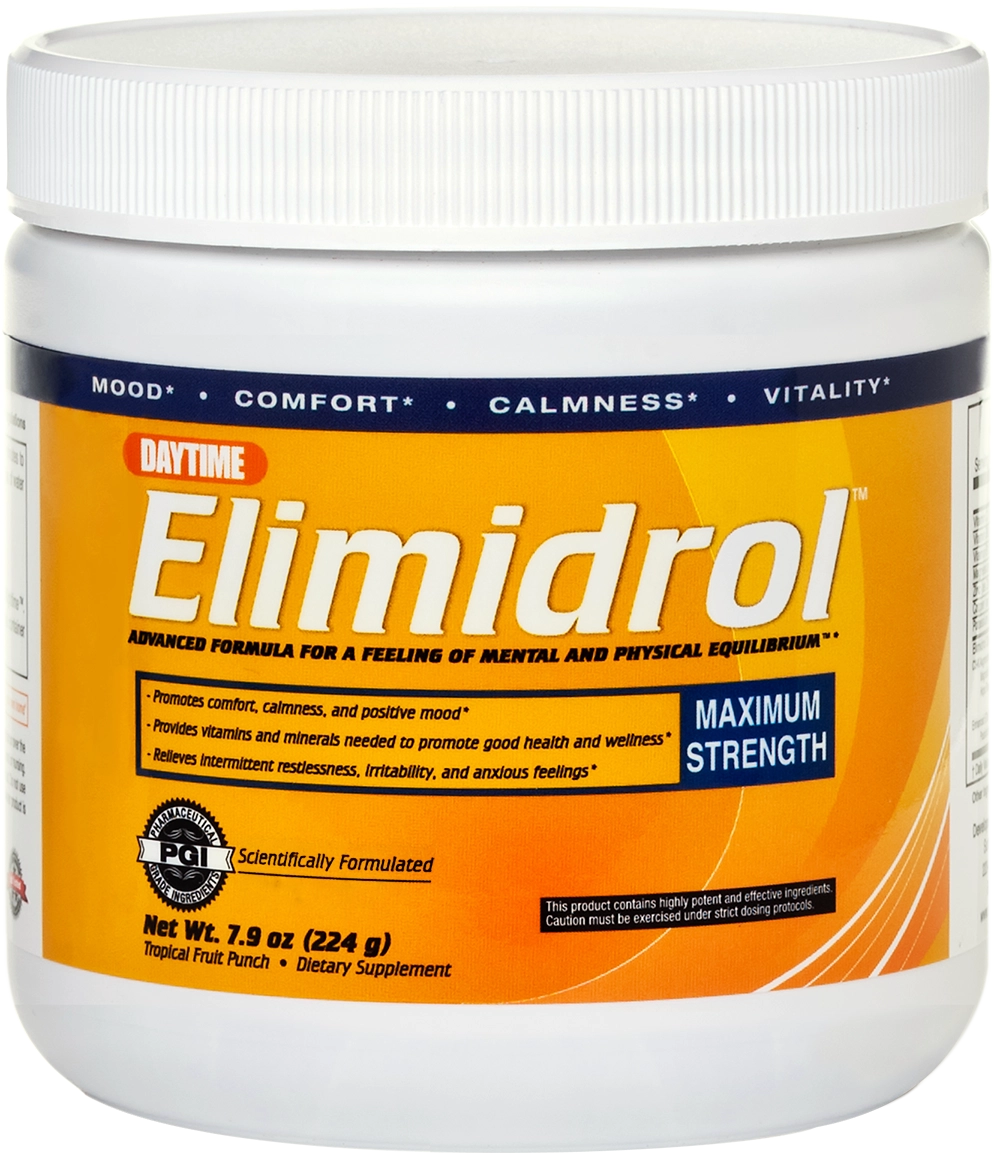
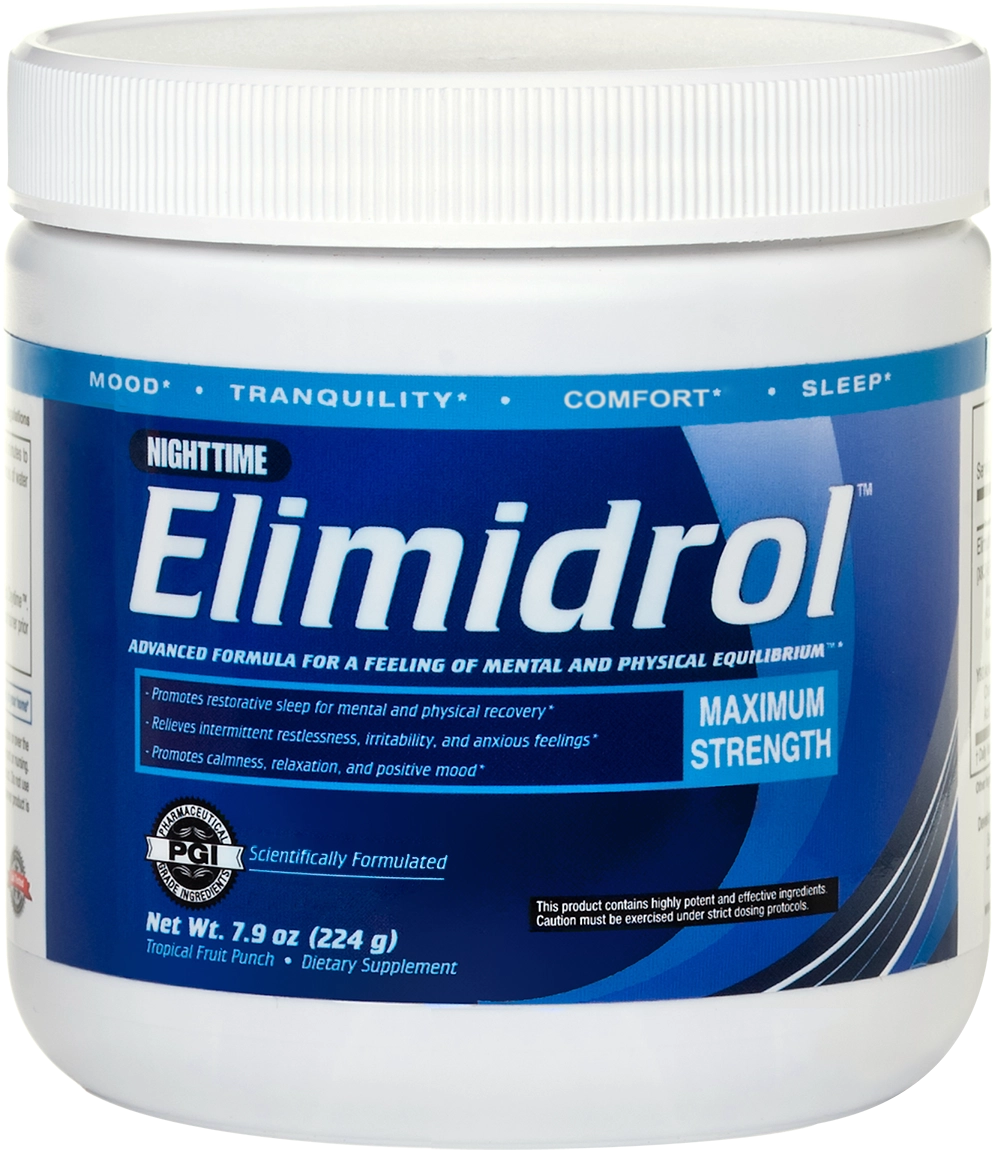
If you prefer to compare finished formulas, review the current labels for the Elimidrol Daytime Formula, Elimidrol Nighttime Formula, and Day + Night system. The formulas differ, so choose based on timing, label fit, and your broader routine.
Frequently Asked Questions
Does a longer ingredient list mean a better supplement?
No. More ingredients can also mean more overlap and more interaction checks. Clarity, amount, timing, and fit matter more than list length.
Are proprietary blends automatically a problem?
No. A proprietary blend is one label format. Evaluate the total blend amount, listed ingredients, directions, warnings, and manufacturer information without assuming that the format alone determines quality.
Can I combine several mood support supplements?
Check for duplicate ingredients and interactions first. A pharmacist or qualified healthcare professional can help review a multi-product routine.