



Quick answer: The most dependable ways to support steady daytime energy are a consistent sleep schedule, regular meals, enough fluids, daily movement, morning light, and sensible caffeine timing. Start with one or two habits you can repeat rather than relying on a single quick fix.
1. Protect a Consistent Sleep Window
Energy starts the night before. Choose a wake time you can keep most days, then work backward to create a realistic sleep window. A consistent schedule also gives your body a clearer day-night signal than alternating between very early weekdays and much later weekends.
Keep the room cool, dark, and quiet; reduce bright screens near bedtime; and use a short wind-down routine that is easy to repeat. If your schedule has drifted, use the steps in our sleep reset guide.
2. Use Morning Light as a Timing Cue
Light is one of the main signals that helps set the body’s daily clock. Spending time outdoors after waking can reinforce daytime timing, especially when it becomes part of a regular morning routine. It is a timing cue, not an instant energy switch.
Our morning light routine explains practical timing and safety considerations. The National Institute of General Medical Sciences also provides a useful overview of circadian rhythms.
3. Build Meals Around Steady Fuel
Long gaps between meals can leave some people feeling distracted or sluggish. A practical meal pattern combines protein, fiber-rich carbohydrates, and fats that fit your dietary needs. Examples include yogurt with fruit and oats, eggs with whole-grain toast, or beans with vegetables and rice.
Notice how your own routine affects you. A very heavy lunch, frequent sugary snacks, or skipping meals may feel different from a more balanced schedule.
4. Stay Hydrated Without Overcomplicating It
Keep water within reach and drink regularly across the day. Hot weather, exercise, travel, and illness can change fluid needs. Urine color, thirst, and activity level can be practical cues, although individual needs vary.
Water is usually the simplest starting point. If a healthcare professional has given you fluid or electrolyte instructions, follow that individualized guidance.
5. Move Before You Feel Completely Ready
A short walk, light mobility work, or a few minutes away from your chair can make a sedentary afternoon feel less heavy. The goal is not an exhausting workout every time. Consistent movement and gradual increases are more useful than an occasional all-out effort followed by several inactive days.
If you sit for long periods, attach a brief movement break to an existing cue such as finishing a call or refilling your water.
6. Use Caffeine Deliberately
Caffeine can increase alertness, but later use can interfere with sleep for some people and create the same tiredness you are trying to avoid the next day. Pay attention to serving size, timing, and hidden caffeine in tea, energy drinks, and pre-workout products.
If you want to reduce caffeine, tapering gradually is often easier than stopping abruptly. Replace one later serving with water or a caffeine-free drink and observe your sleep and energy for a week.
7. Reduce Mental Friction
Mental overload can feel like low physical energy. Write down the next concrete action, close unused tabs, and group similar tasks. A five-minute reset can be more practical than trying to force attention through a long, unfocused stretch.
For a calmer environment, see how to create a relaxation space at home.
8. Compare Supplements by Label, Not Hype
If you are considering a supplement for a daytime routine, check the ingredient list, serving directions, timing, and possible interactions. Avoid assuming that a longer ingredient list or stronger marketing automatically means a better fit.
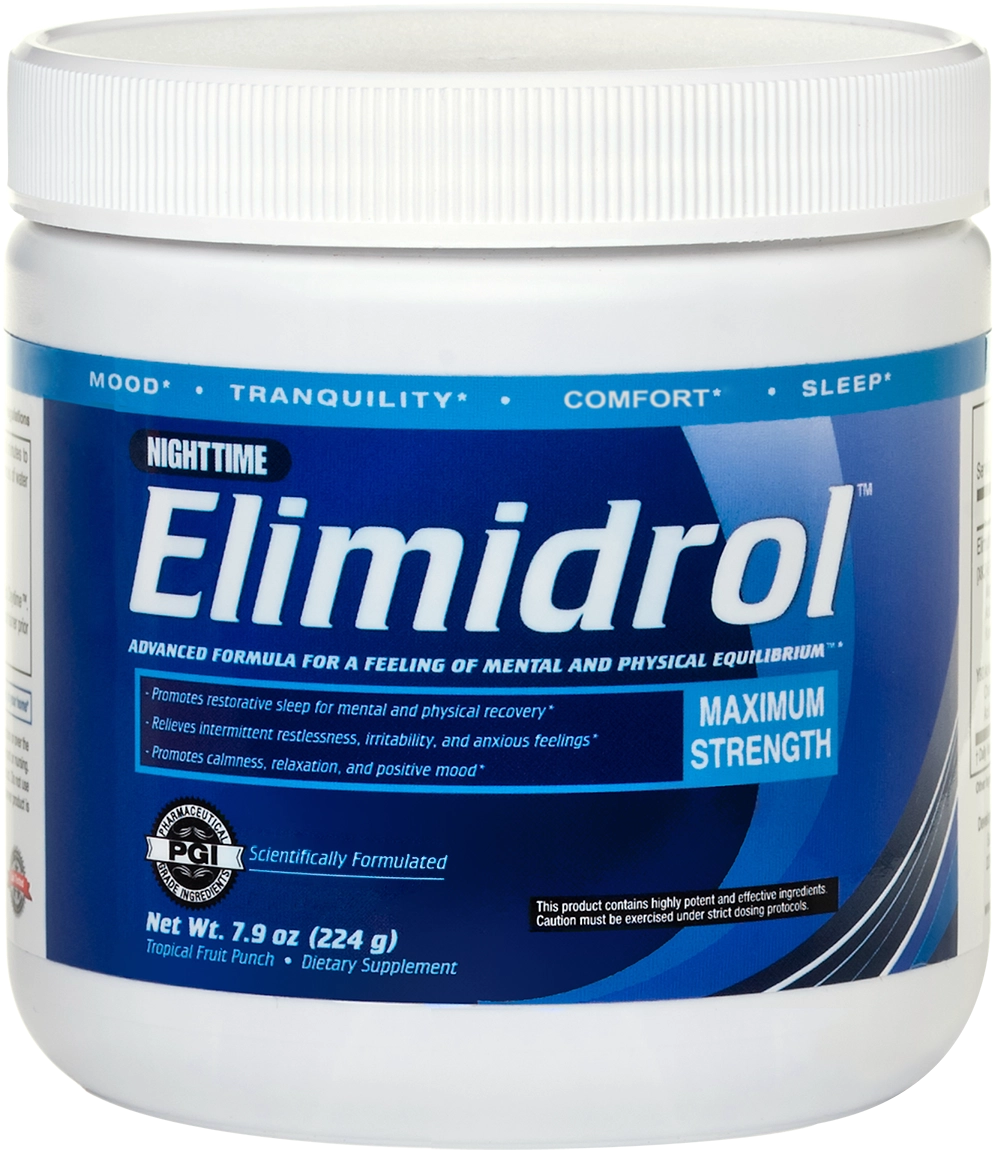
The Elimidrol Daytime Formula is one label you can compare for daytime wellness support. Ask a qualified healthcare professional or pharmacist about interactions if you use medication, are pregnant or nursing, or have an ongoing health concern.
When Low Energy Deserves More Attention
Occasional tiredness can follow a late night, travel, a demanding week, or a disrupted routine. If low energy is persistent, unexplained, worsening, or interfering with daily life, talk with a qualified healthcare professional rather than continuing to add stimulants or supplements.
A Simple Seven-Day Energy Reset
- Keep the same wake time for seven days.
- Get outside after waking when conditions are safe.
- Plan regular meals and keep water nearby.
- Add one short walk or movement break each day.
- Set a caffeine cutoff that protects your sleep window.
- Record sleep time and afternoon energy in one sentence each day.
After a week, keep the habits that made the clearest difference and adjust one variable at a time.