

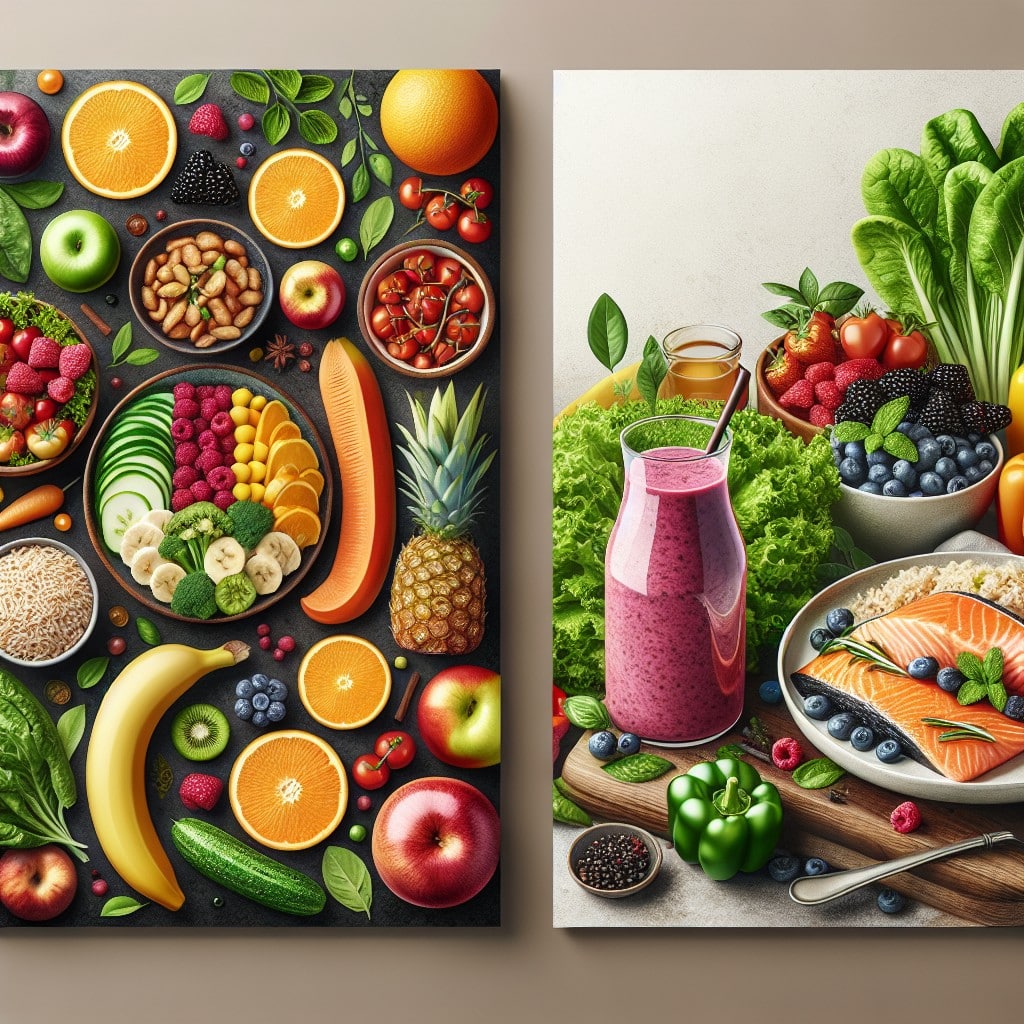
When you are looking for foods that support your mood, start with everyday meals rather than a single “mood-boosting” ingredient. Fish, beans, whole grains, vegetables, fruit, nuts and seeds can all contribute nutrients your body needs. The practical goal is a varied diet you can eat regularly and enjoy.
Food is one part of well-being, alongside sleep, movement, relationships and appropriate healthcare. No single food guarantees a change in mood, and a meal plan should not replace care for persistent low mood or anxiety.
How food fits into emotional well-being
Your body needs energy and nutrients to function, including for the normal work of the brain and nervous system. That does not mean eating a particular food will produce a predictable feeling or immediately change your neurotransmitter levels.
A useful place to start is noticing the practical pattern: Are busy days leading you to skip meals? Is there enough food available when you get home? Would an easy breakfast or a prepared lunch make eating regularly less difficult?
The NIMH guide to coping with stress includes healthy, regular meals among its everyday suggestions. You do not need a complicated diet to begin.
6 food choices to build meals around
1. Fish and other sources of omega-3 fats
Salmon, sardines and other fatty fish provide the omega-3 fats EPA and DHA. Walnuts, chia seeds and flaxseed provide a different omega-3 called ALA. These are not nutritionally identical sources: the body converts only small amounts of ALA to EPA and DHA.
The NIH omega-3 fact sheet explains their roles and food sources. For an easy meal, try salmon with rice and vegetables, or add walnuts or ground flaxseed to oatmeal. Choose foods that fit your preferences, allergies and any dietary guidance you have received.
2. Beans, lentils, nuts and seeds
These foods can add protein, fiber and minerals to meals. They are also among the food sources of magnesium, a nutrient involved in normal muscle and nerve function, as described in the NIH magnesium fact sheet.
Try a lentil soup, add chickpeas to a salad, or keep a suitable nut or seed option available for a snack. Canned beans can be a convenient starting point; choose and prepare them according to your dietary needs.
3. Whole grains
Oats, brown rice and other whole grains offer carbohydrate, fiber and a range of nutrients. They can provide a practical base for a meal without requiring much preparation.
Pair oatmeal with yogurt and fruit, serve a bean dish over brown rice, or use whole-grain bread for a sandwich. The combination matters more than expecting a specific grain to prevent a mood swing.
4. Vegetables, including leafy greens
Different vegetables provide different nutrients, so variety is useful. Spinach and other leafy greens are among the food sources of magnesium. Frozen vegetables can make it easier to keep options available, especially when shopping or cooking time is limited.
Add a handful of spinach to eggs, stir frozen vegetables into a rice dish, or include a side of vegetables you actually enjoy. There is no need to choose the most fashionable option.
5. Fruit
Fruit adds flavor, fiber and nutrients to meals and snacks. Fresh, frozen and other suitable forms can all make it easier to keep fruit on hand.
Try berries with oatmeal, an apple alongside a meal, or frozen fruit blended with yogurt. Choose what fits your budget and preferences rather than searching for a fruit that promises happiness.
6. Eggs, yogurt, tofu or another protein you enjoy
Having an easy protein option can make a meal more complete and easier to assemble. The right choice depends on your diet, preferences and health needs. Plain yogurt, for example, can pair with fruit and oats; tofu can work in a quick vegetable stir-fry.
If you choose a plant-based alternative, check its nutrition information because protein, calcium and other nutrients vary by product.
Three simple meal ideas
- Breakfast: oatmeal with berries and yogurt, or an alternative that suits your diet.
- Lunch: a bean-and-vegetable bowl with rice and a dressing you enjoy.
- Dinner: fish or tofu, a grain or potato, and a generous serving of vegetables.
These are examples, not a prescribed meal plan. Adjust portions and ingredients to your needs. A registered dietitian can help if you have a medical condition, restrictive diet or difficulty meeting your nutritional needs.
Keep caffeine and hydration in perspective
If caffeine leaves you feeling tense or makes sleep harder, consider the amount and timing. Replacing a late coffee with a caffeine-free drink may be a useful experiment. Tea is not automatically a treatment for stress, and a cup of tea is not equivalent to a concentrated supplement used in a study.
Keep water or another suitable drink available through the day. Fluid needs differ, so a single fixed water target does not fit everyone. Follow any fluid guidance given by your healthcare professional.
What about herbs, spices and supplements?
Use herbs and spices because you enjoy their flavor and the meals they help you make. Research on a concentrated extract does not automatically show that a culinary portion has the same effects.
Food and supplements also have different roles. If you are considering a supplement, our Supplement Facts reading guide explains how to check ingredients and directions.
Make one useful change this week
Choose the meal that is hardest to manage and make it easier. Stock a breakfast you can prepare quickly, cook an extra portion for lunch, or keep a few convenient ingredients ready for evenings.
If low mood, anxiety or changes in appetite persist or interfere with daily life, seek professional support. You can work on enjoyable, regular meals while getting the help you need.