


Quick answer: A useful self-care routine does not need to be complicated. Start with a few repeatable habits that support sleep, meals, hydration, movement, attention, connection, and regular breaks. Choose the easiest habit you can repeat consistently, then build from there.
Self-care is less about occasional rewards and more about maintaining routines that help you feel steady enough for everyday responsibilities. The best plan is realistic for your schedule, flexible when life changes, and simple enough to continue on busy days.
1. Keep a Consistent Sleep Routine
A regular sleep and wake schedule gives your day a predictable starting point. Try to keep your timing reasonably consistent, including on weekends, without turning one late night into a reason to abandon the routine.
- Use a short wind-down cue such as reading, stretching, or preparing for the next morning.
- Dim bright screens and room lighting before bed when practical.
- Keep the bedroom comfortable, dark, and quiet.
2. Build Meals Around Variety
Balanced meals can make a daily routine easier to maintain. Rather than chasing a perfect menu, include a useful mix of produce, protein, whole grains or other fiber-rich foods, and fats that fit your preferences.
Planning one or two dependable meals can also reduce decision fatigue. Keep convenient options available for days when time or motivation is limited.
3. Make Hydration Easy to Remember
Hydration needs differ from person to person, so rigid one-size-fits-all targets are not always helpful. Keep water within reach, drink with meals, and adjust for activity level, weather, and guidance from a qualified professional.
If plain water is hard to remember, connect it to an existing cue such as breakfast, a work break, or returning from a walk.
4. Choose Movement You Will Repeat
Movement counts even when it is not a formal workout. Walking, stretching, cycling, dancing, gardening, or a short strength routine can all fit into a balanced week.
Start with an amount that feels manageable. Consistency matters more than choosing the most demanding option, and the right routine is one you can adjust instead of quitting when your schedule changes.
5. Practice Brief, Focused Attention
A few minutes of focused attention can create a useful pause in a busy day. You might follow your breathing, notice sounds around you, write a short journal entry, or complete one task without switching between apps.
If sitting still is not appealing, try the same approach during a slow walk or while preparing a meal. The goal is simply to give one activity your full attention for a short period.
6. Set Practical Screen Boundaries
Screens are part of work, communication, and entertainment, so the goal is not to eliminate them. Use boundaries that protect the parts of your day that matter most.
- Silence nonessential notifications during focused work.
- Keep meals or the first few minutes after waking screen-light when possible.
- Replace one scrolling session with an offline activity you already enjoy.
7. Maintain Meaningful Connections
Regular contact with people you trust can make routines feel more sustainable. Schedule a call, share a meal, take a walk with someone, or join a group centered on a genuine interest.
Quality matters more than the size of your network. A brief, dependable check-in can be more useful than forcing a packed social schedule.
8. Take Small Breaks Before You Feel Drained
Short breaks can help separate tasks and give your eyes and body a change of position. Stand up, look away from the screen, stretch, refill your water, or step outside for a few minutes.
Attach breaks to obvious stopping points such as finishing a meeting or completing a work block. This makes them easier to remember without interrupting your momentum.
9. Make Room for Creativity and Nature
Creative activities and time outdoors provide a change of pace from routine demands. Draw, cook, play music, work with plants, visit a nearby green space, or take a familiar walk without multitasking.
Keep the activity low pressure. It does not need to produce something impressive; it only needs to offer a different kind of attention.
10. End the Day with a Simple Check-In
Before the day ends, note one thing that went well, one thing that felt difficult, and one small adjustment for tomorrow. This is more practical than forcing positivity and gives you a simple way to refine your routine over time.
A gratitude note can be part of the check-in, but keep it specific: a helpful conversation, a meal you enjoyed, or a task you completed is enough.
How to Start Without Overloading Your Schedule
- Choose one habit that takes five minutes or less.
- Attach it to something you already do.
- Repeat it for one week before adding another habit.
- Keep what helps and simplify what does not.
For a more detailed way to build repeatable rituals, read Self-Care Rituals for Emotional Well-Being. You may also find the Morning Light Routine useful when building a consistent start to the day.
Frequently Asked Questions
How many self-care habits should I start at once?
Start with one or two. A smaller routine that you repeat is usually more useful than a long checklist that disappears after a few days.
What if I miss a day?
Resume at the next practical opportunity. Missing a day does not erase the routine, and there is no need to compensate by doing twice as much.
Can daytime and evening routines work together?
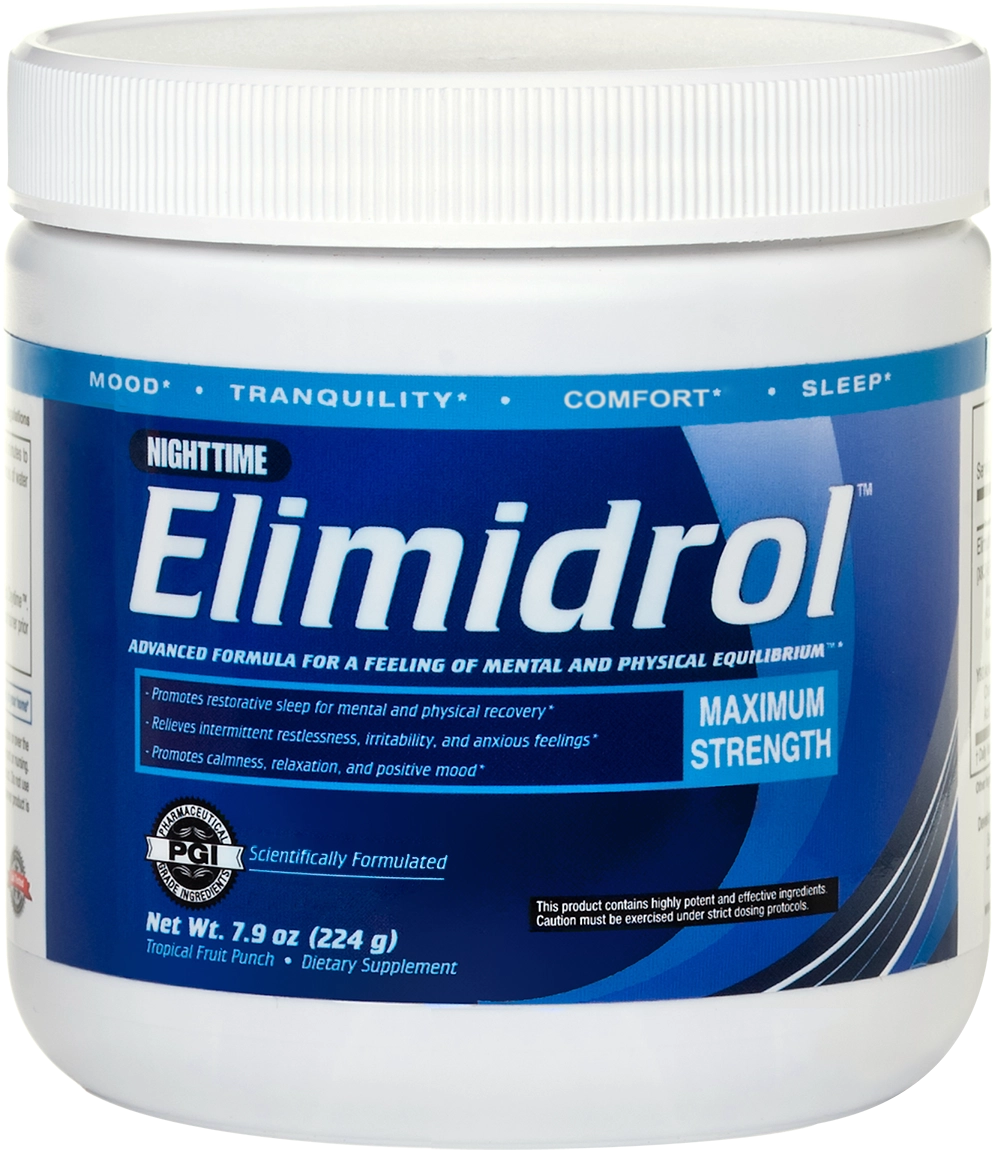
Yes. A daytime routine can emphasize steady structure and focused activity, while an evening routine can emphasize fewer demands and a consistent wind-down. If you are also comparing supplement timing, review the Elimidrol Day vs Night guide or explore the Day + Night system.
This article provides general wellness information. Individual needs vary, and a qualified professional can help with questions related to personal health circumstances.