

A better night’s rest starts with what happens before bedtime as well as what happens in bed. A regular schedule, a comfortable room and time to wind down create a practical foundation. A sleep supplement can serve a different role alongside those habits.
Understanding that difference makes it easier to choose your next step. Sleep hygiene is about behaviors and your sleep environment. Supplements contain ingredients intended for a particular purpose, such as sleep timing or evening relaxation.
Build a repeatable evening routine
Start with changes that address your actual evenings, rather than trying to follow a long list perfectly.
- Keep a consistent schedule. Aim for regular bed and wake times that fit your responsibilities.
- Leave room to wind down. Reading, a warm shower or another quiet activity can help mark the end of the day.
- Make the room comfortable. Consider light, noise and temperature, including small disturbances you may have become used to.
- Review late caffeine. Coffee, tea, some soft drinks and other products can contribute caffeine. Notice whether their timing affects your sleep.
For a closer look at these habits, read our guide to sleep hygiene. Choose one or two manageable changes and make them easier to repeat.
Match the kind of support to the situation
When the sleep schedule has shifted
Travel or a change in routine can move sleep to a different time. Melatonin is a hormone involved in the body’s sleep-wake timing, so its role differs from simply trying to feel more relaxed.
The National Center for Complementary and Integrative Health reports that melatonin may help in some situations, including jet lag. Evidence does not support treating it as the answer to every kind of sleep difficulty. Our melatonin and sleep guide explains the distinction in more detail.
When you want an evening relaxation routine
Some people enjoy chamomile tea as part of a quiet evening. Other products combine botanicals or ingredients such as L-theanine in a supplement. The choice of a comforting ritual and the evidence for a particular supplement are related questions, but they are not the same thing.
Preparation matters. A cup of tea and a concentrated extract are different products. Valerian is another common evening ingredient, but NCCIH describes its sleep evidence as inconsistent. Compare the complete product rather than assuming that every ingredient in the evening category works in the same way.
When you suspect a nutrient gap
Magnesium is needed for normal muscle and nerve function, and it is sometimes included in sleep products. That does not mean difficulty sleeping identifies a magnesium deficiency. If you have concerns about your intake or a known nutrient need, seek advice tailored to that issue.
For a broader comparison of common ingredients, see our natural sleep supplements guide.
Where Elimidrol Nighttime fits
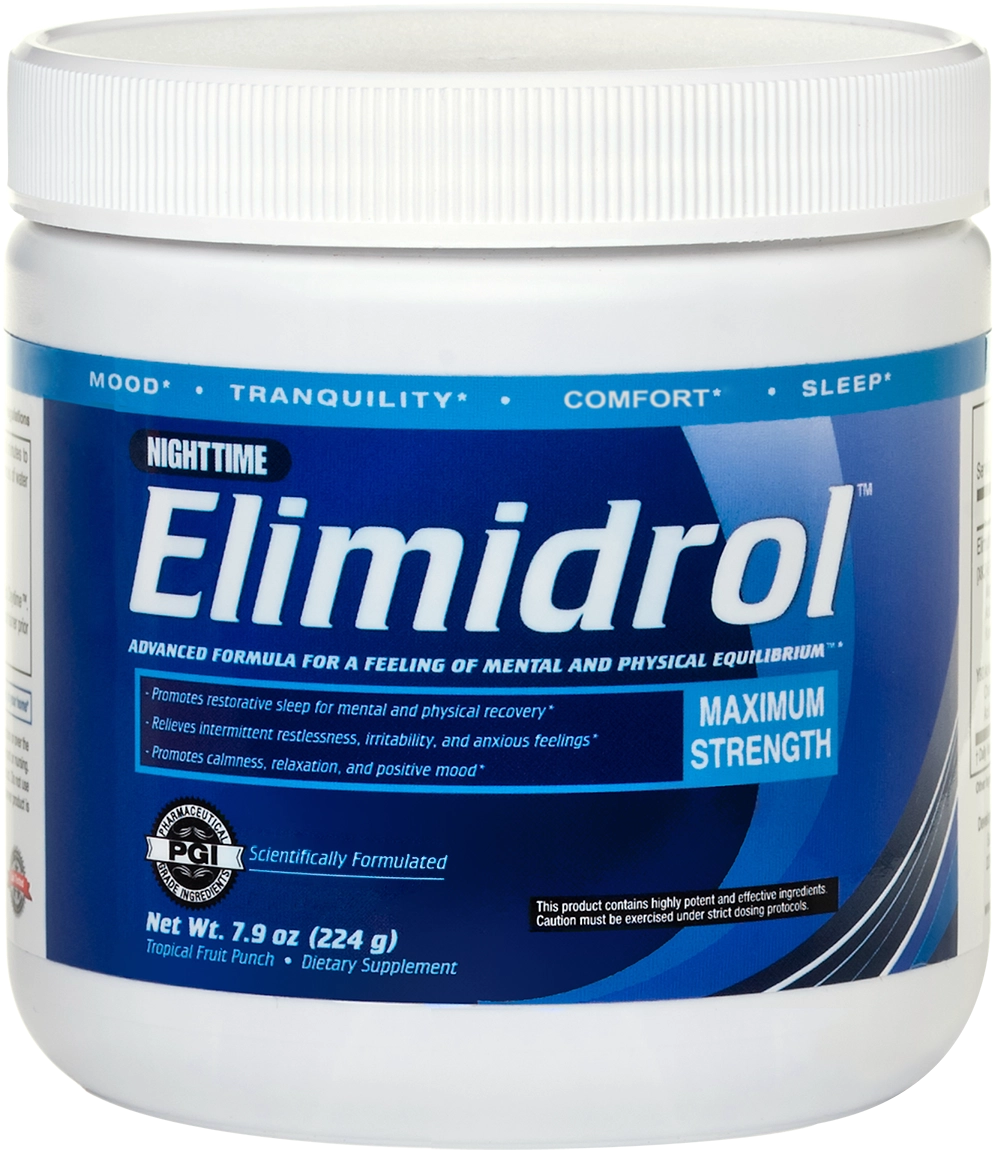
We formulated Elimidrol Nighttime for evening comfort, relaxation and restful sleep, alongside support for mood and calmness. It also helps relieve intermittent restlessness, irritability and anxious feelings.
Nighttime includes melatonin, chamomile, valerian and lemon balm among its ingredients. Those examples are part of a complete formula, not separate products to add together. Nighttime does not contain magnesium. Its product page provides the full Ingredients and Directions.
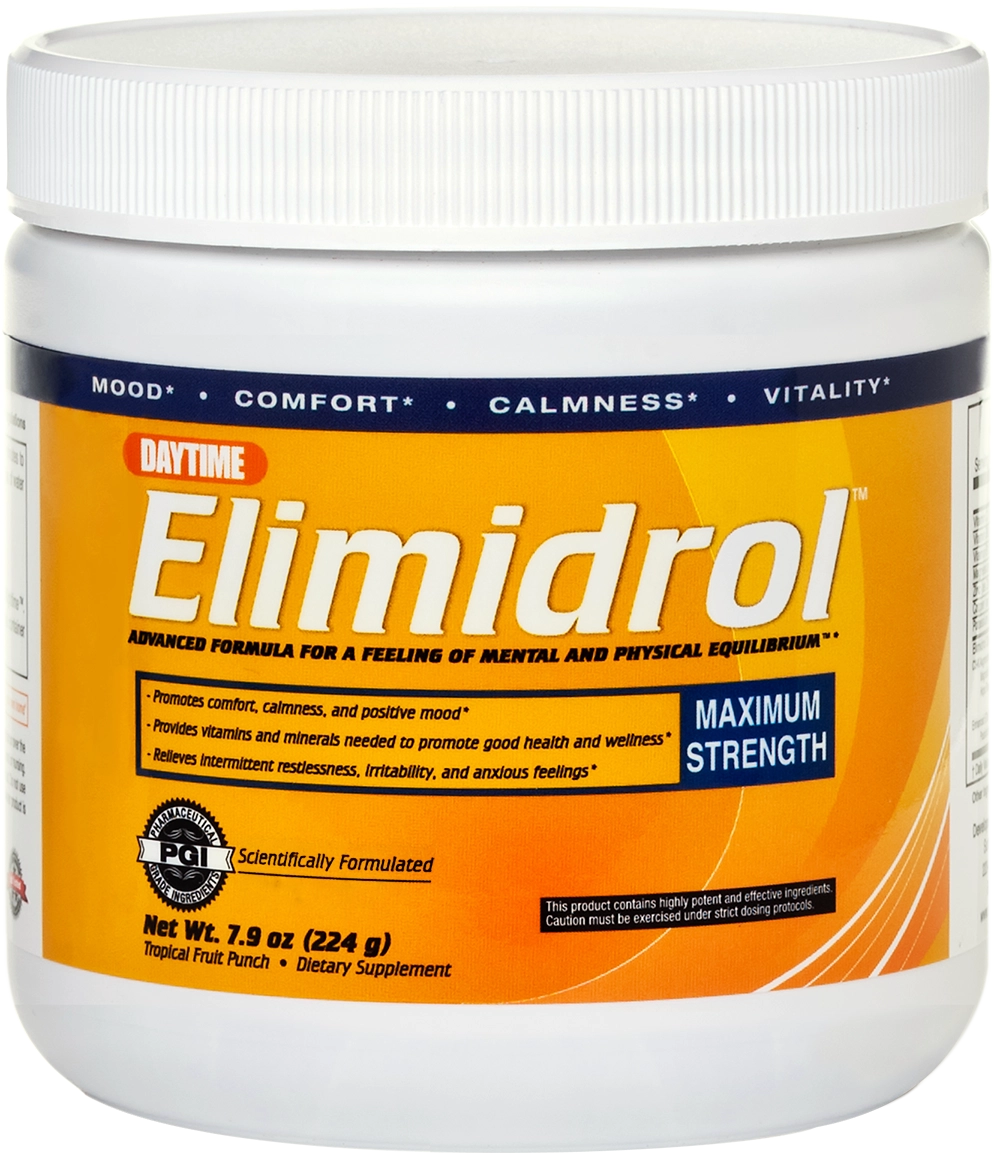
Elimidrol Daytime has a different formulation for mood, calmness and mental and physical comfort during the day. Choose according to the part of your routine you want to support and follow each product’s directions.
Keep supplement use straightforward
Review the full ingredients before adding a new sleep product, especially if you already take another evening formula. Do not assume more products will provide better rest. Ask a pharmacist or qualified healthcare professional about interactions if you take medication, have a medical condition, are pregnant or are nursing.
Products that cause drowsiness require care with alcohol, other sedating products and activities that need alertness. Follow the warnings for the product you choose.
When a routine needs more than small adjustments
If sleep difficulties keep recurring or affect how you function during the day, discuss them with a healthcare professional. Persistent insomnia may need a more specific assessment and treatment approach; improving sleep hygiene or trying a supplement is not the whole answer.
For an occasional unsettled night, our occasional sleeplessness guide focuses on a few practical next steps. Keep your routine manageable and choose any additional support for a clear purpose.