

Amino acids support many essential functions, including building proteins and contributing to the production of certain neurotransmitters. Those roles are one reason they appear in discussions of mood, restlessness and irritability. Understanding the different amino acids can help you distinguish normal protein nutrition from supplements intended for relaxation or broader wellness support.
This guide explains the terms, how food and supplements differ, and what to consider when looking for everyday support.

What are amino acids?
When you digest protein, your body breaks it down into amino acids and uses them for processes such as growth and tissue repair. The MedlinePlus amino-acid overview describes three groups:
- Essential: amino acids the body cannot make, so they must come from food.
- Nonessential: amino acids the body can produce. “Nonessential” does not mean unimportant.
- Conditionally essential: amino acids that may be needed from the diet in particular circumstances, such as some illnesses or periods of physiological stress.
A varied diet with enough protein helps supply the amino acids you need. Meat, fish, eggs, dairy foods, beans, soy foods and other protein sources can all play a part. You do not need to combine particular plant proteins at every meal; the overall pattern across the day matters.
How amino acids relate to neurotransmitters
Neurotransmitters are chemical messengers used by nerve cells. Some amino acids help provide the starting materials for their production. Tryptophan, for example, is involved in making serotonin, while tyrosine is involved in making dopamine and norepinephrine.
That is useful biological context, but the body is not a simple input-output system in which more of one ingredient always creates a preferred mood. Restlessness and irritability can have many explanations, including poor sleep, stress, medicines and health conditions. They cannot tell you, on their own, which neurotransmitter or nutrient to target.
Common names you may see
Tryptophan
Tryptophan is an essential, protein-forming amino acid. It is found in a range of protein foods and is a precursor in the pathway that produces serotonin. Getting adequate protein is different from taking an isolated tryptophan supplement for a particular symptom.
Tyrosine
Tyrosine is used in the production of several important compounds, including neurotransmitters. It is found in foods and can also be made by the body. Adequate protein nutrition supplies tyrosine as part of a varied diet; a standalone tyrosine supplement is a more specific choice.
L-theanine
L-theanine is an amino acid found in tea and is commonly included in relaxation-focused products. It is not one of the essential amino acids that you need to obtain for normal protein nutrition. Tea, a standalone theanine supplement and a multi-ingredient formula are different choices, particularly if the tea contains caffeine.
GABA
GABA, short for gamma-aminobutyric acid, is a neurotransmitter and a non-protein-forming amino acid. It is involved in inhibitory signaling in the nervous system and is also sold as a supplement. Research on oral supplementation is a separate question from what GABA normally does within the body.
Food first for normal protein needs
If meals have become irregular, start with practical ways to include protein. Add beans or tofu to a rice bowl, eggs or yogurt to breakfast, or a protein source you enjoy to lunch. Choose options that fit your preferences and any dietary requirements.
You do not have to track every amino acid to eat a varied diet. If you follow a restricted diet or have trouble eating enough, a registered dietitian or other qualified professional can help you assess the overall pattern.
Considering a supplement
First decide whether you are addressing a nutritional need or considering a product for broader wellness support. A protein powder, a single amino acid and a multi-ingredient daytime or evening formula are not interchangeable.
Before use, review the complete formula and its Directions, account for other supplements you take, and ask about interactions if you use medication. This is particularly important with medicines or supplements that affect serotonin. Do not combine products or increase servings based on a simplified neurotransmitter explanation.
Our guide to mood-support supplements explains the broader categories, while our label-reading guide walks through a product comparison.
Elimidrol’s two formulas
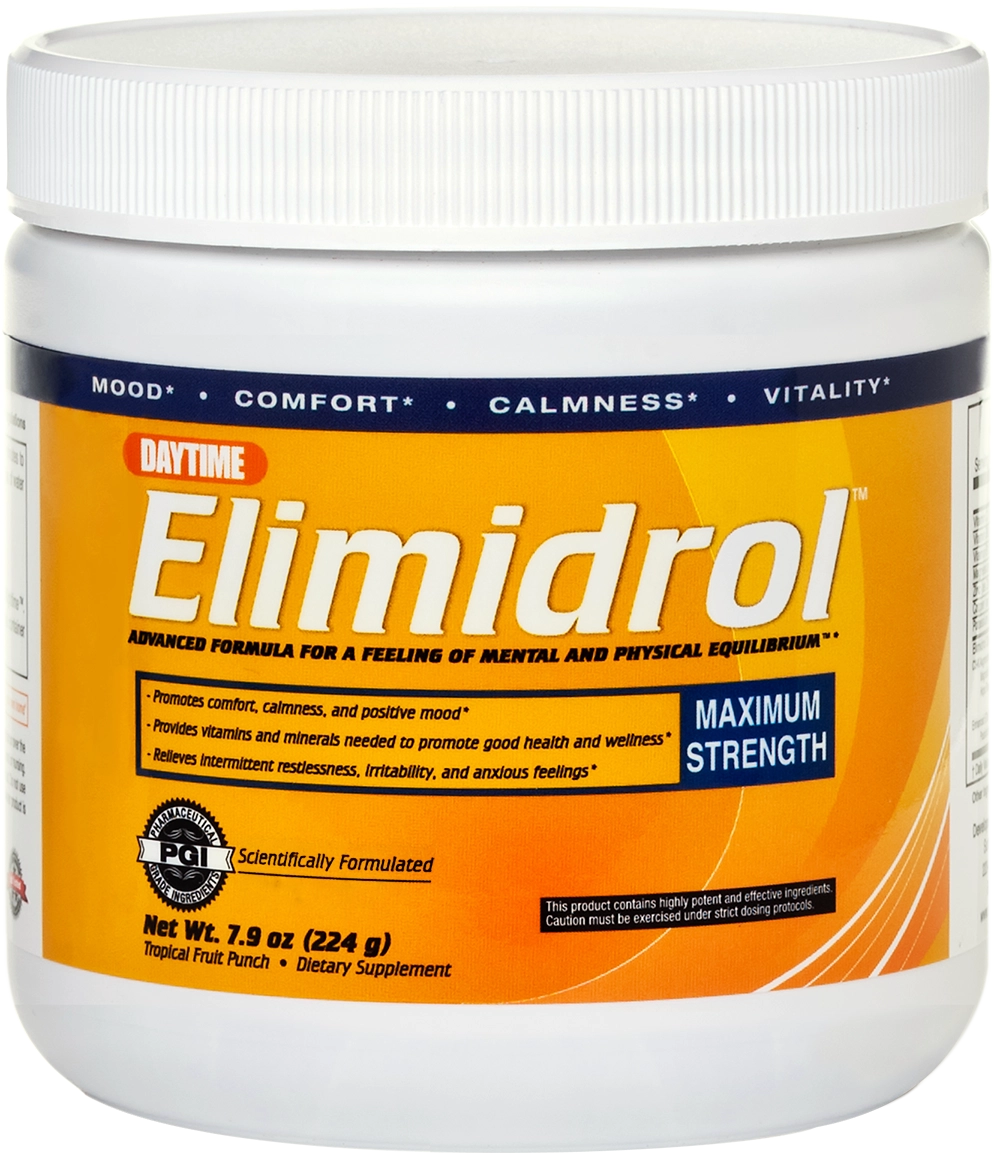
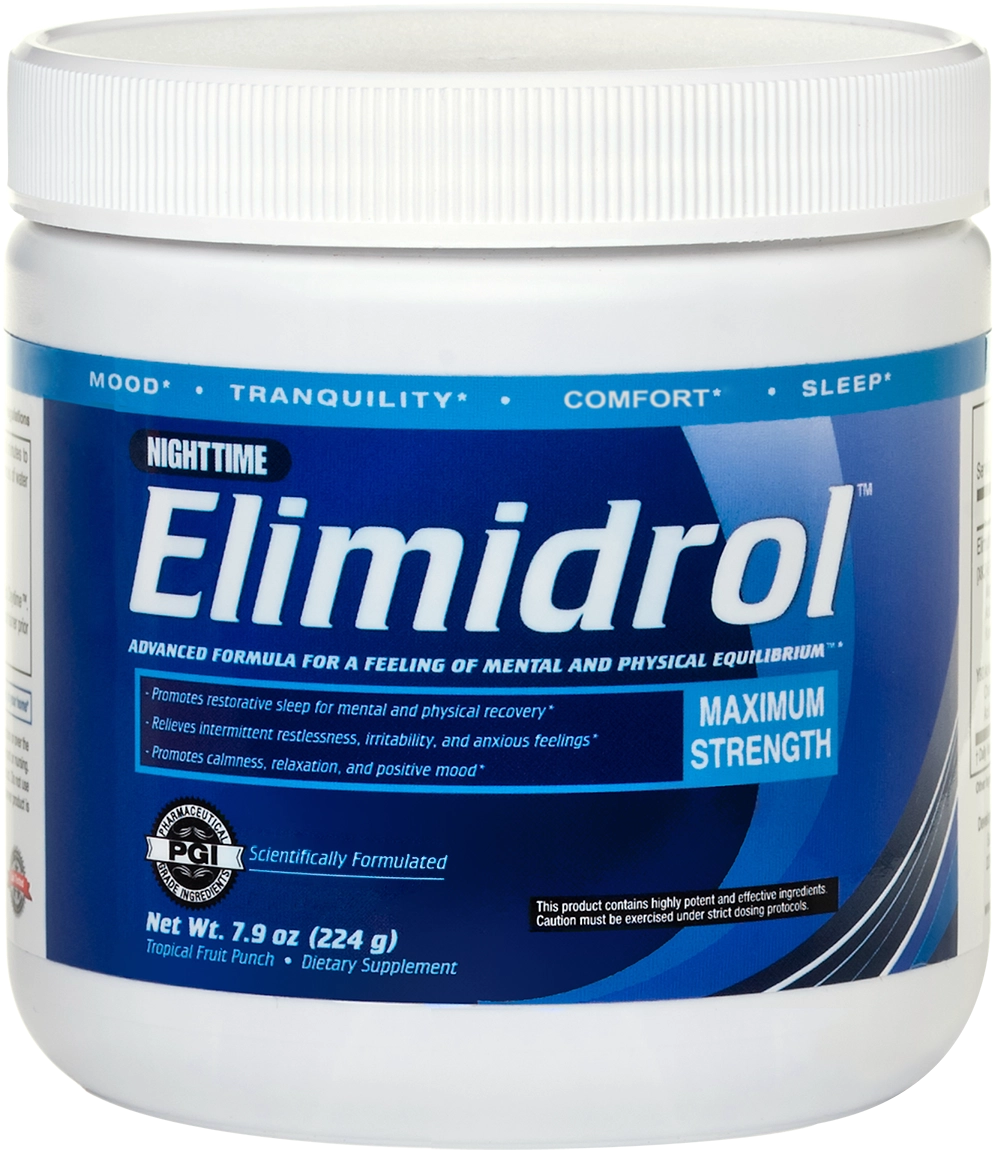
We developed Elimidrol to support mood, mental and physical comfort, calmness and well-being, and to help relieve intermittent restlessness, irritability and anxious feelings. Daytime Formula includes L-tyrosine among its ingredients. Nighttime Formula includes GABA and places an emphasis on evening relaxation and restful sleep.
These examples come from two different blends. Read the full Ingredients and Directions on the relevant product page to understand the complete formula and how to use it.
When restlessness or irritability needs more attention
Notice the context: sleep, caffeine, changes in routine, medicines and ongoing stress can all be useful topics to discuss. If symptoms persist, worsen or interfere with daily life, seek professional guidance. Understanding the pattern is more helpful than assuming that one ingredient is missing.