

Everyday mood support starts with a few dependable habits: regular meals, enough sleep, enjoyable movement and time with people who matter to you. Natural mood enhancers can also include relaxation practices and supplements chosen for your needs. A useful routine brings these pieces together without requiring you to overhaul your life.
If you have been feeling irritable, unsettled or worn down by a demanding schedule, start with the part of your day that is hardest to manage. One practical change you can repeat is a better starting point than a long list of good intentions.
Make regular meals easier
Food provides the energy and nutrients your body needs for normal function. During busy or stressful periods, the most useful adjustment may be eating more consistently rather than searching for a single mood-boosting ingredient.
Build meals around foods you enjoy: a protein source, vegetables or fruit, and a satisfying carbohydrate. Keep a few convenient options available, such as eggs, yogurt, beans, frozen vegetables, oats or whole-grain bread. This makes it easier to eat when time and motivation are limited.
For specific food ideas, see our guide to foods that support emotional wellness. If you suspect a nutritional gap, our nutrients and emotional well-being guide explains where to start.
Give sleep a consistent place in the day
A late night can make the following day feel harder, especially when it becomes a pattern. Protecting time for sleep is one way to support your overall well-being and give yourself room to recover from everyday demands.
Choose a reasonably consistent wake-up time and leave a short period to wind down before bed. Dim bright lights, put unfinished work aside and make the bedroom comfortable. If evening caffeine or alcohol seems to affect your sleep, include that observation when deciding what to change.
Our sleep hygiene guide offers more detail. Persistent trouble sleeping or daytime sleepiness deserves professional attention, especially if it is affecting work, driving or daily life.
Choose movement you can look forward to
Movement does not have to mean an ambitious workout plan. Walking outside, dancing, gardening, stretching or taking a class can all create a useful break in the day. Choose an activity that fits your abilities, schedule and preferences.
Make the first step small enough to repeat. You might walk around the block after lunch or stretch when you finish work. Pairing movement with something enjoyable, such as a friend or favorite music, can make it easier to keep the habit.
Use a short pause when you feel unsettled
Intermittent anxious feelings or occasional restlessness can make it difficult to switch between tasks or settle into an evening. A brief pause gives you a chance to notice what is happening and choose your next step.
- Step away from the immediate task when you can.
- Let your breathing settle into a comfortable, unforced rhythm.
- Write down the next manageable action instead of holding the entire problem in your head.
- Take a quiet break, spend a few minutes outside or do something familiar that you enjoy.
These are everyday coping options, not a test you need to perform perfectly. The National Institute of Mental Health includes relaxation, regular meals, movement, sleep and connection among practical ways to cope with stress.
Keep connection in the routine
Support does not always require a long conversation. A short check-in, a shared meal or a regular walk with someone can help you stay connected when you are busy. If you need practical help, be specific about what would make the day easier.
Connection can also come through a class, community activity or group built around an interest. The NIH Social Wellness Toolkit offers ideas for building relationships and asking for support. Leave room for boundaries too; a supportive routine should not become another source of pressure.
Where mood-support supplements fit
Supplements offer another option for people seeking everyday mood and comfort support. The right starting point is your purpose: addressing a nutritional need, supporting daytime calmness, or making evening relaxation part of your routine.
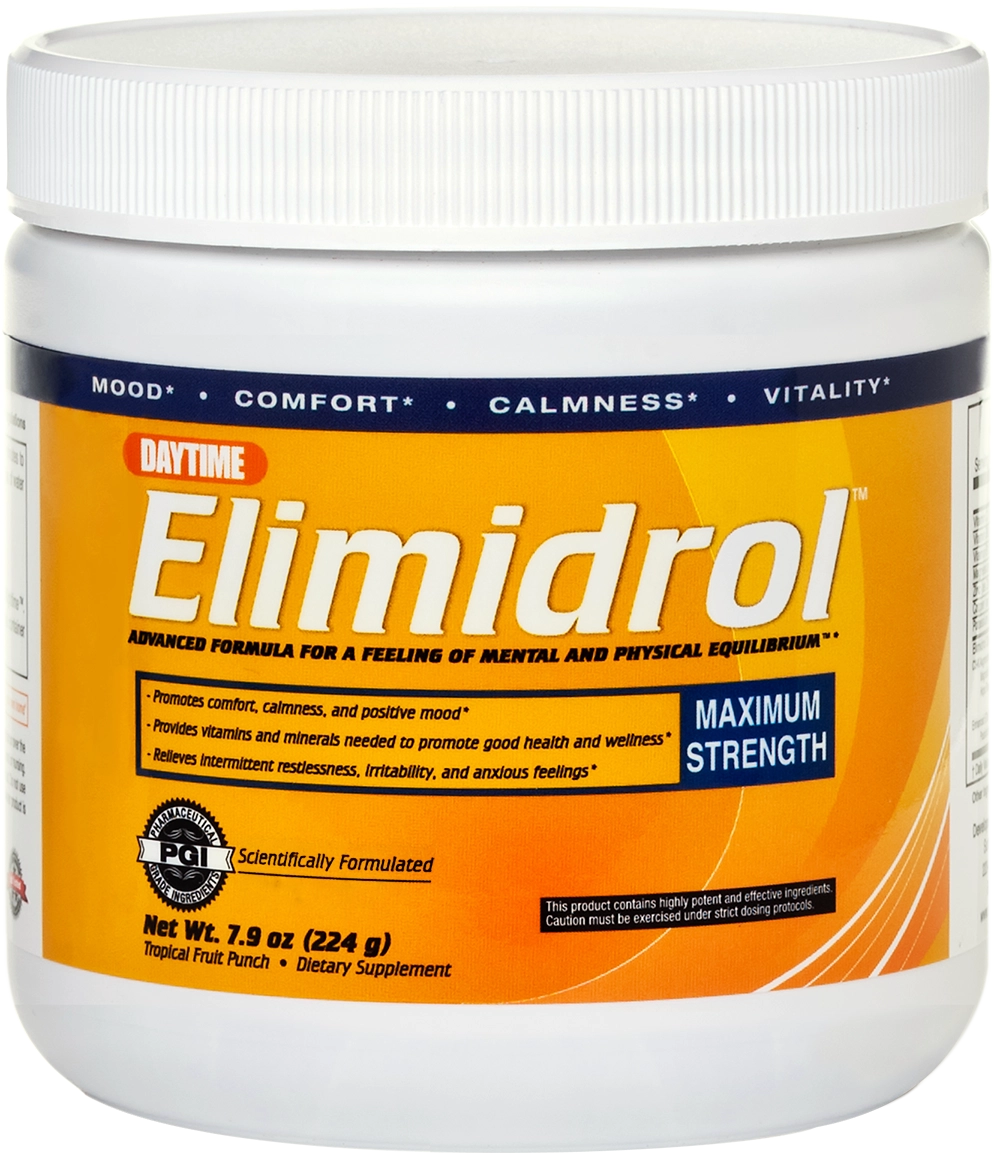
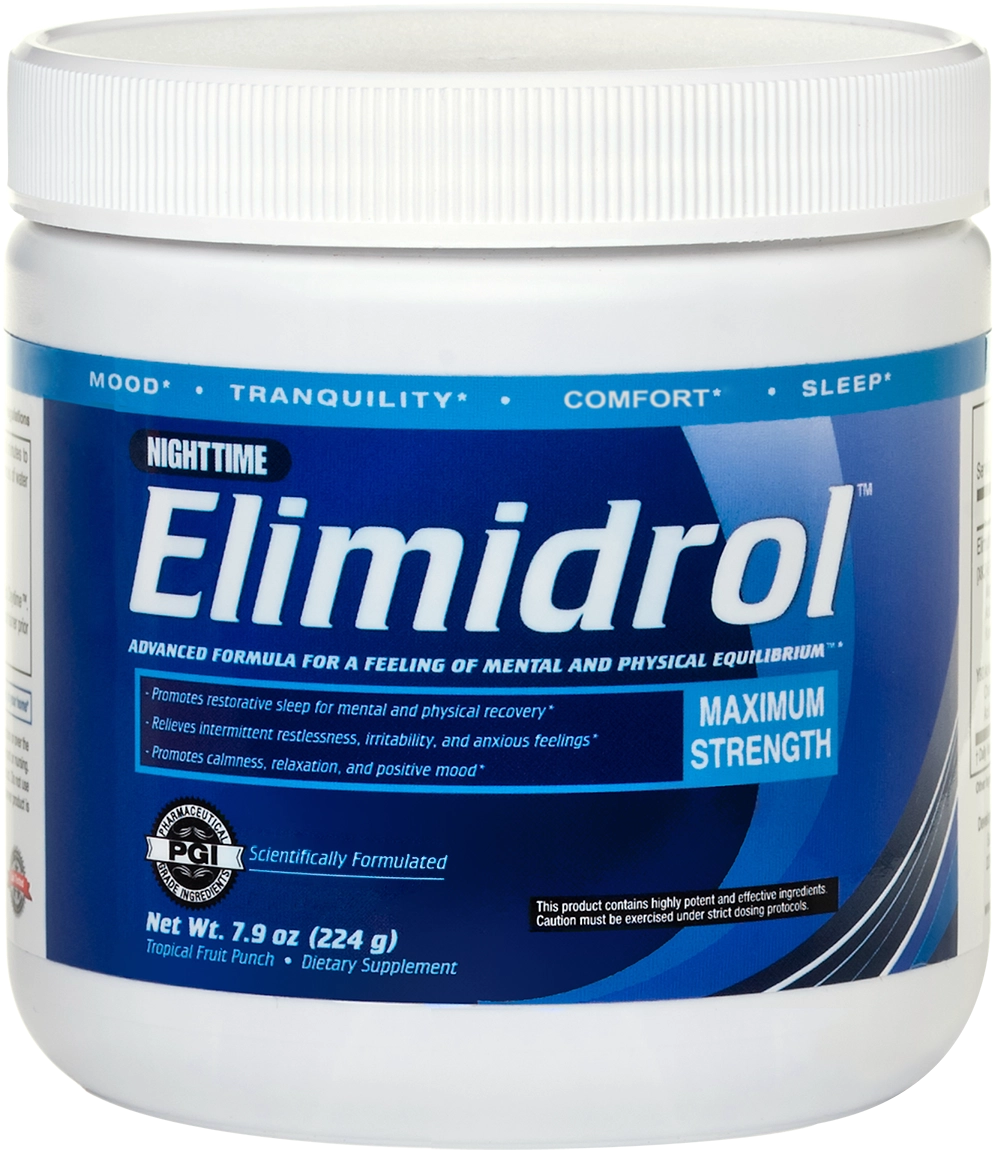
At Elimidrol, our formulas are designed to enhance mood, promote mental and physical comfort and calmness, and help relieve intermittent restlessness, irritability and anxious feelings. Daytime Formula supports daytime well-being, while Nighttime Formula adds an emphasis on evening relaxation and restful sleep.
Choose with the full formula in mind and follow the current Ingredients and Directions on the product page. If you take medication, have a medical condition, are pregnant or nursing, or use other supplements, get professional guidance before use. Our mood-support supplement guide explains the main categories.
Build a routine you can actually keep
Start with one part of the day. If mornings feel rushed, prepare an easy breakfast. If afternoons drag, protect a lunch break and a little movement. If evenings feel restless, create a clear transition out of work and a simple wind-down routine.
Keep a short note of what you change and how the day feels. Look for a pattern rather than judging the whole routine by one difficult afternoon. Add another habit only when the first one feels manageable.
If low mood, anxiety or irritability persists, worsens or interferes with relationships, work or daily activities, seek professional support. Everyday habits and supplements can be part of looking after yourself, but they should not delay care you need.