


Quick answer
The best mood-support supplement routine is clear, label-centered, and realistic. Look for transparent ingredients, serving directions you can follow, third-party quality signals when available, and a formula that fits your daytime or nighttime needs. Avoid vague blends, extreme promises, and products that make you guess what you are taking.
This guide explains how to compare mood-support supplements without overrelying on hype.
How mood-support supplements fit into a routine
Mood-support supplements are best used as part of a broader wellness plan that includes meals, hydration, movement, rest, and steady daily habits. A supplement cannot replace those basics, but a well-labeled product may help support the routine you are already building.
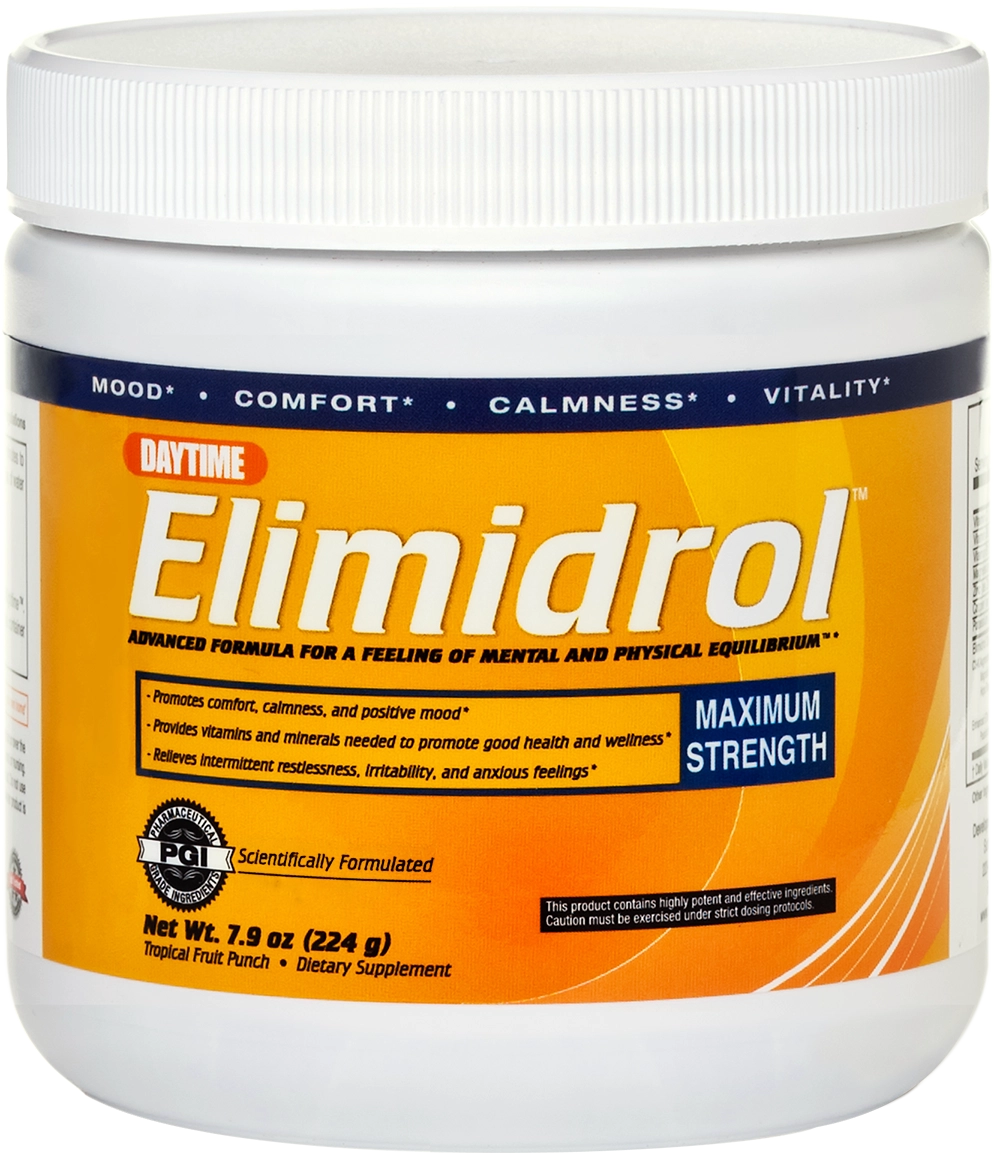
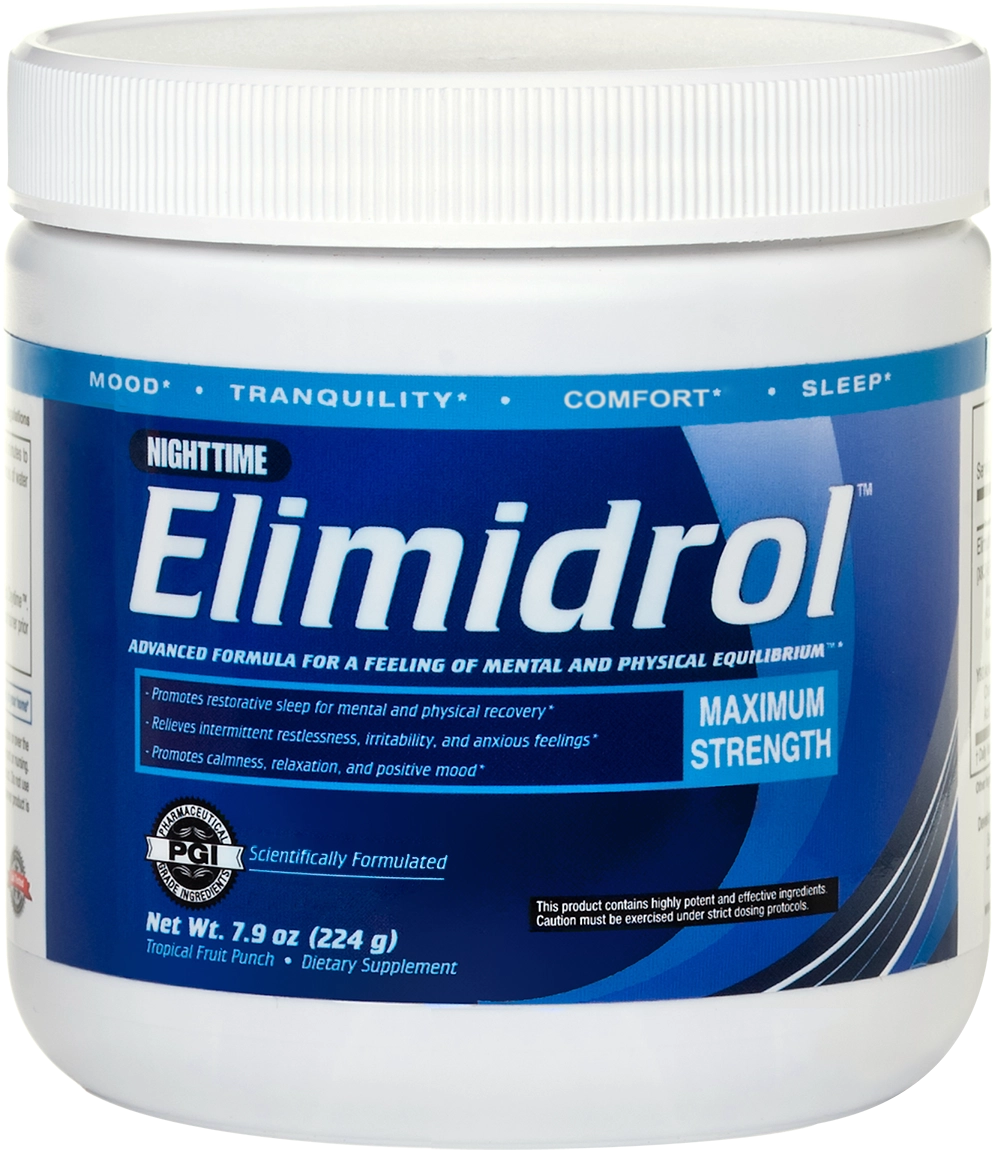
Before choosing a product, decide when you need support most. Some people want daytime routine support, while others are trying to build a calmer evening rhythm. Elimidrol separates those needs into Daytime Formula and Nighttime Formula options, with the Day + Night system available for customers who want both.
Ingredients commonly used for mood support
Many mood-support products include nutrients or botanicals used in general wellness routines. Common examples include magnesium, B vitamins, L-theanine, saffron extract, and adaptogenic herbs. The right choice depends on the formula, the serving directions, and whether the product fits your personal routine.
Focus less on a single trendy ingredient and more on the full label. Clear ingredient names, serving size, intended timing, and manufacturer quality signals matter.
What to avoid when comparing supplements
- Extreme promises: Be cautious of products that promise dramatic results or one-size-fits-all outcomes.
- Unclear blends: Proprietary blends can be legitimate, but the label should still explain the ingredient names, serving directions, and intended use.
- Stimulant-heavy positioning: If a product feels like it is built around pushing energy too hard, it may not fit a balanced mood routine.
- Missing quality signals: Look for basic manufacturer information, quality standards, and label clarity.
A simple label checklist
- Does the label clearly say when and how to take it?
- Does the formula match daytime support, nighttime support, or both?
- Are the ingredients understandable enough to compare?
- Does the brand explain quality and manufacturing standards?
- Does the product avoid exaggerated wording?
Daytime vs nighttime mood-support needs
Daytime routines usually focus on steadiness, focus, and staying functional through normal daily demands. Nighttime routines usually focus on winding down and creating a repeatable evening pattern. Mixing those needs into one decision can make comparison harder.
For a deeper product-specific comparison, see Elimidrol Day vs Night: Compare Timing & Tradeoffs.
Mood-support supplement FAQ
Should I choose one formula or a day-and-night routine?
Choose based on when support would be most useful. If daytime and nighttime needs are different, a separated day-and-night routine can be easier to understand than one all-purpose product.
Are proprietary blends always a problem?
No. Proprietary blends can protect a formula. The important question is whether the label still gives enough context about ingredient names, serving directions, and intended use.
What is the safest way to compare options?
Use the label checklist, avoid extreme claims, and choose the product that fits your real schedule. When in doubt, ask a qualified professional who understands your health history and supplement use.
Bottom line
The best mood-support supplement is not the loudest one. It is the one with clear labeling, realistic positioning, and timing that fits your daily routine. Compare formulas carefully, keep expectations grounded, and use product support alongside the basics that already help you feel steady.