



Quick answer: A healthier daily routine needs a few dependable anchors, not a strict timetable. Keep sleep timing reasonably consistent, plan meals you can manage, move between long work blocks, protect a few priorities and give the evening a clear wind-down. Adjust the details to your work, family responsibilities and energy.
Some days have room for a long walk and a home-cooked dinner. Others need a shorter version. A good routine helps in both situations. Use the examples below to make your day easier to navigate without treating every suggestion as a rule.
Start the Morning with Fewer Decisions
A reasonably consistent wake time can help organize the beginning and end of your day. Leave enough time for the basics you need before work or other responsibilities, and prepare what you can the night before.
- Put clothes, keys or a work bag where you can find them.
- Keep water available if a morning drink helps you remember to hydrate.
- Choose a breakfast that fits your appetite and schedule, such as oats with fruit and nuts, eggs with toast, or yogurt and berries.
- Try a short stretch, a walk or another comfortable way to move.
A balanced breakfast can support a more dependable meal pattern, but it cannot guarantee that you will avoid every energy dip. Notice what leaves you satisfied and ready for your morning.
If you use the snooze button, consider its effect on your own routine. Does it leave you rushed, or do you get up comfortably afterward? A small study of regular snoozers did not find the universal harms often claimed. It also does not establish that snoozing works well for everyone. Protect sufficient sleep first.
Plan Meals and Movement Around Your Day
You do not need a different elaborate meal for every day of the week. Keep a few options that combine protein, produce, fiber-rich carbohydrates and fats you enjoy. Frozen vegetables, canned beans and other convenient foods can make a varied diet easier to maintain.
Pack a lunch, save leftovers or decide on a practical option before you are very hungry. Keep water nearby and adjust fluid intake for your activity, weather and individual needs.
Use transitions for movement. Walk after lunch, stand up after a meeting or stretch when you finish a task. Choose activities you enjoy so a more active day does not depend on forcing yourself through a workout you dislike.
Give Work a Beginning, a Few Priorities and an End
Start with a short list of what actually needs attention. Pick one meaningful task to work on before less important requests fill the day.
- Protect focus: silence unnecessary alerts and keep the materials for your next task nearby.
- Take breaks: try short work blocks if they help. The 25-minute work and five-minute break pattern is one option, not a required rhythm.
- Reset the space: put away what you have finished and clear enough room for the next task.
- Close the day: write down tomorrow’s first step before leaving work or closing your laptop.
Set boundaries that make sense for your role. That might mean telling someone when you can respond, asking which request is most urgent or declining an optional commitment when your schedule is already full.
Include People and Activities You Value
A routine made only of productive tasks can become tiring in its own way. Make room for a conversation, shared meal, hobby or quiet break that you enjoy.
Keep social plans realistic. A dependable call with a friend can be more useful than a crowded calendar. Listen, ask for help clearly when you need it and explain your limits respectfully.
For a short mental reset, try a few slow breaths, a brief walk or writing down what is on your mind. The NIH Emotional Wellness Toolkit offers practical ways to build coping habits and supportive connections.
Make the Evening a Transition
A repeatable wind-down can help separate the demands of the day from bedtime. Reduce bright light and stimulating content when practical, prepare a few things for tomorrow and choose something calming to do next.
Read, listen to music, take a warm bath or spend a few minutes on comfortable stretching. Keep the bedroom dark, quiet and comfortable. Notice whether late caffeine interferes with your sleep, and adjust its timing if needed.
If your schedule has drifted, our sleep schedule reset guide provides a more detailed starting point.
A Flexible Daily Routine Example
- Morning: wake, eat or prepare a meal that fits your needs, and identify your first priority.
- Midday: pause for lunch, move briefly and reassess what needs attention.
- Late afternoon: finish one useful task and leave a clear starting point for tomorrow.
- Evening: make time for a meal, connection or an enjoyable activity, then begin a familiar wind-down.
On a demanding day, keep only the essentials: enough food and fluids, a brief movement break, one priority and a reasonable sleep opportunity. Shift workers and caregivers can use these anchors around their own schedules instead of following conventional clock times.
Questions About Building a Better Routine
How many changes should I make at once?
Start with one or two. If remembering the action is the main problem, our healthy habit guide explains how to connect a small action to a dependable cue.
How soon should I expect a difference?
It depends on the change and your circumstances. Check whether the routine is practical and whether it helps with the problem you chose. Adjust one part at a time rather than expecting a guaranteed result within a few days or weeks.
What if I miss a day?
Resume at the next opportunity. You do not need to catch up by doubling the effort. If missed days become common, make the routine smaller or move it to a better time.
Can supplements support the routine?
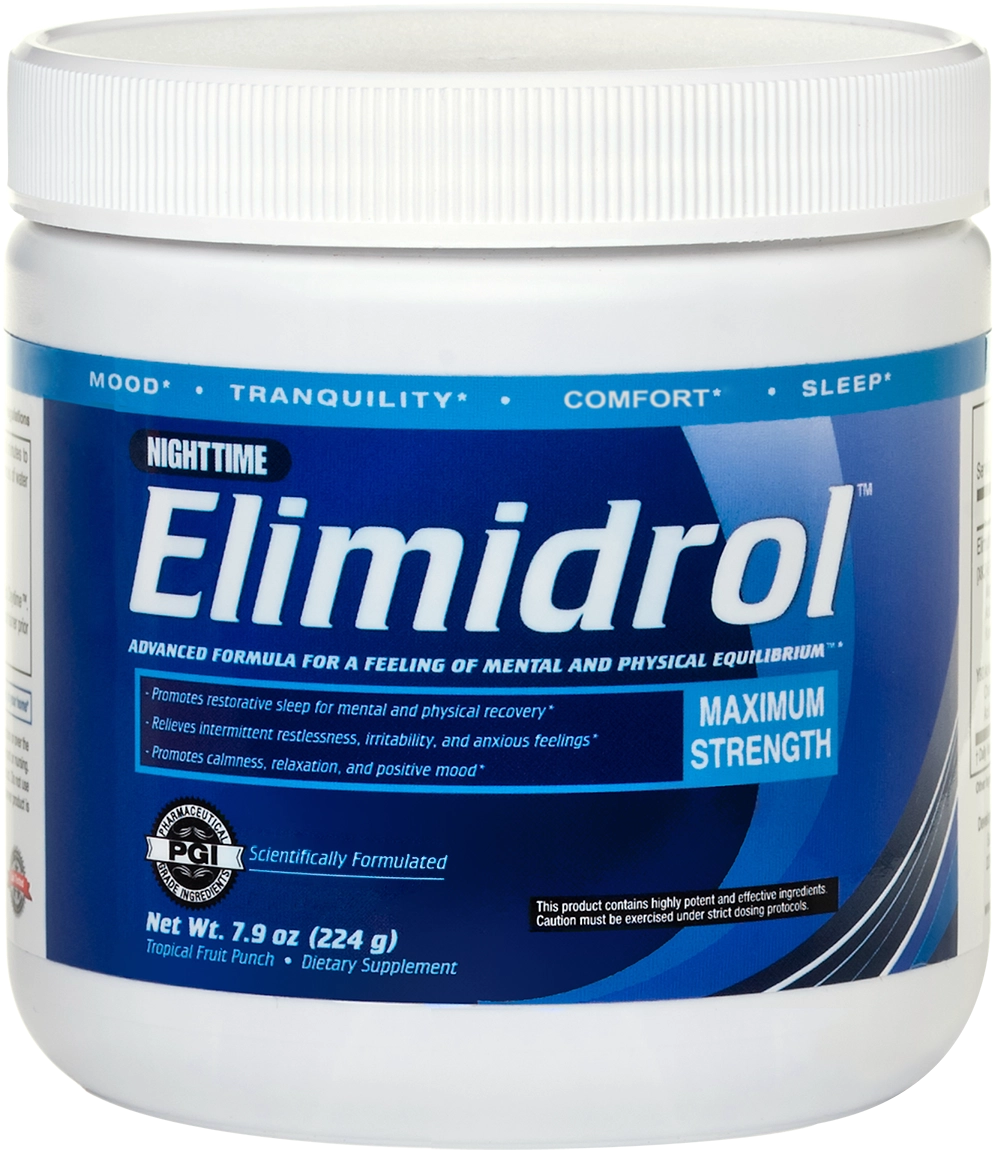
They can fit specific wellness goals, alongside meals, movement and rest. Compare a product’s intended benefits and current directions, and get individual guidance when you use medication or have health questions. A supplement does not need to replace the habits that make your day work.