

Self-care is the everyday work of looking after your needs. It includes meals, movement and rest, but also making time for people you trust, recognizing your feelings and setting limits on what you can take on.
A useful self-care routine fits your actual life. You do not need an expensive purchase, a long morning ritual or a perfect week. Start by noticing what is missing, then choose one action you can repeat.

What Counts as Self-Care?
Self-care means taking intentional steps to support your physical, emotional and mental well-being. For some people, personal values, faith or time in nature are important parts of that care too.
- Physical needs: eating regularly, drinking enough fluids, finding comfortable ways to move and allowing time for sleep.
- Emotional needs: naming what you feel, taking a pause when overwhelmed and talking with someone who listens.
- Mental needs: stepping away from constant demands, enjoying a hobby or making space to learn something interesting.
- Connection and meaning: spending time with supportive people and choosing activities that reflect what matters to you.
These categories overlap. A walk with a friend can offer movement, company and a break from work. You do not need a separate activity for every category each day.
Notice What You Need Before Choosing an Activity
Ask, “What would make today more manageable?” The answer may be food, quiet, company or help with a responsibility. Match your next step to that need instead of copying someone else’s routine.
If you feel drained after back-to-back meetings, a few quiet minutes may be more useful than adding another social event. If you have been alone all day and want company, a short call might fit better. Rest and connection are both self-care; the right choice depends on the situation.
The NIH Emotional Wellness Toolkit offers practical ideas for managing stress, getting quality sleep and building supportive relationships.
Build a Routine You Can Keep
Choose one small action, attach it to something you already do and decide what a shorter version looks like on busy days.
- After breakfast: take a comfortable walk. On a rushed morning, step outside briefly or move around indoors.
- At lunch: pause work and eat without checking messages for the first few minutes.
- After work: put your phone down while you talk with someone at home, or check in with a friend.
- Before bed: prepare what you need for tomorrow and leave a little time for a quiet activity.
Pick one example, not all four. Try it for a week, then ask whether it helped and whether the timing was realistic. Adjusting a routine is part of making it work, not evidence that you failed.
Use Boundaries to Make Room for Care
Sometimes self-care means doing less. A full schedule can leave no space for the habits you want to maintain. Look for one demand you can postpone, share or decline.
A clear boundary might sound like, “I can help for half an hour, but I cannot take on the whole project,” or, “I will reply tomorrow when I am back at work.” Keep the wording specific to what you can offer.
Not every responsibility is optional. When you cannot reduce a demand, ask for practical support where it is available. A shared errand, a prepared meal or a brief break can still matter.
Where Optional Mood Support Can Fit
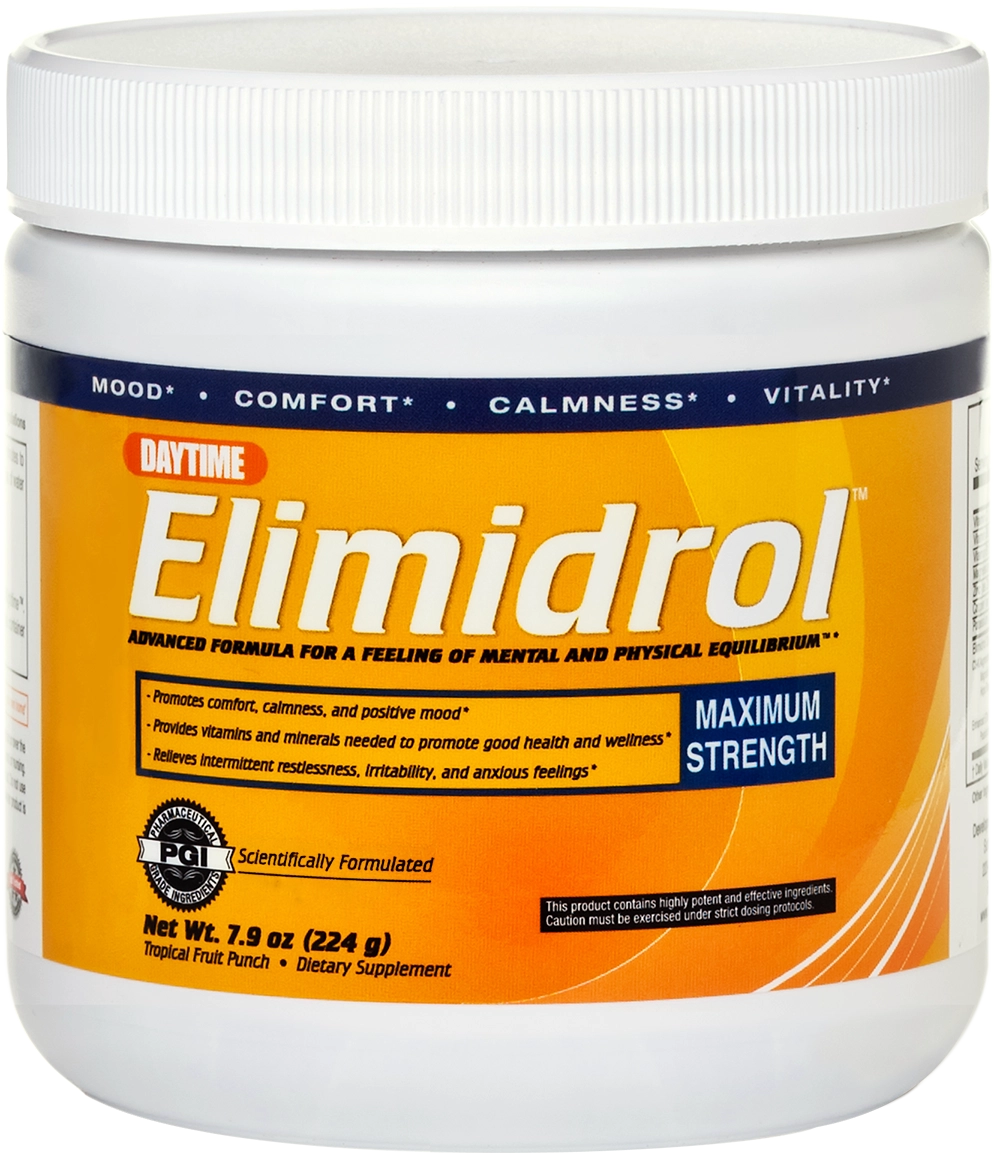
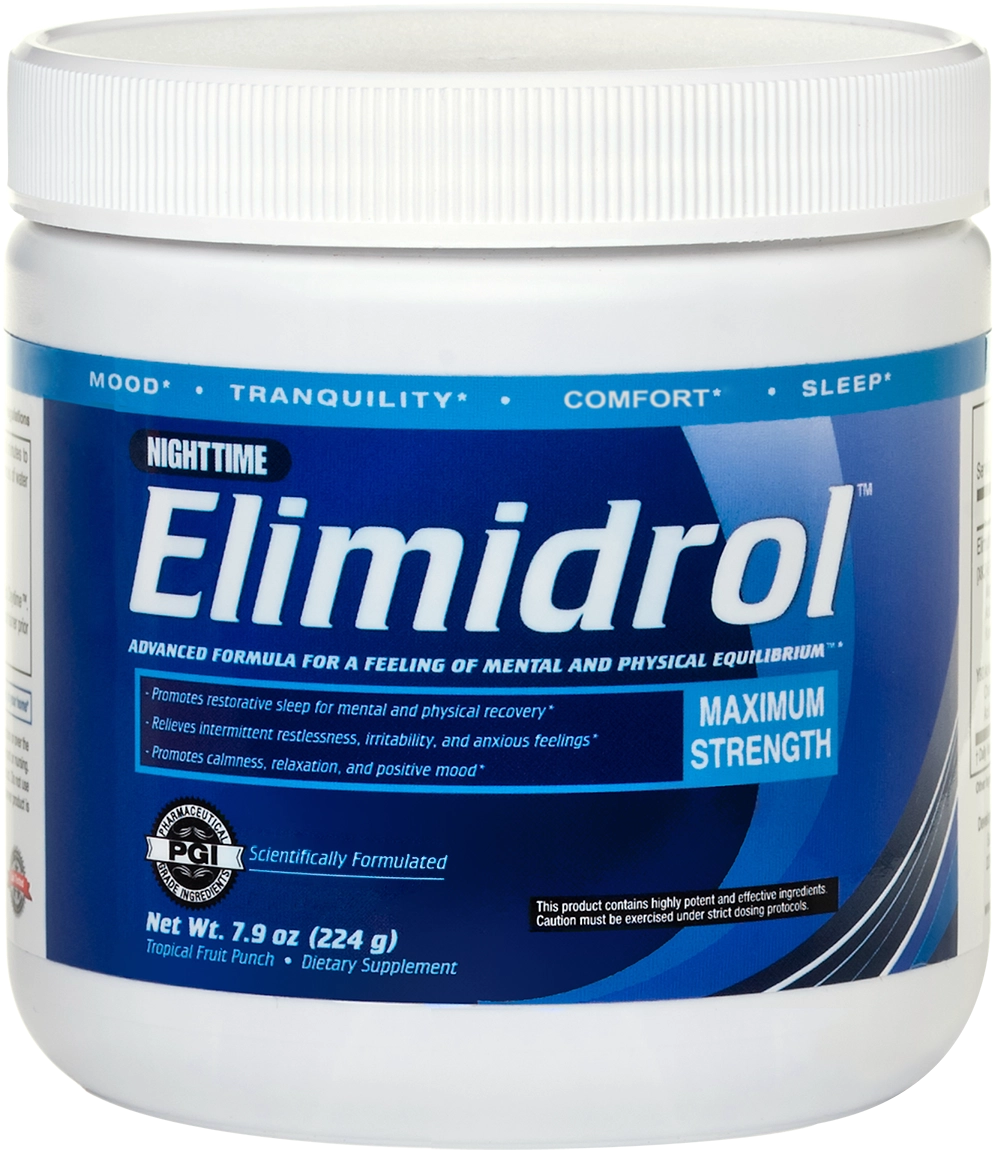
A self-care routine can also include optional support for everyday mood and comfort. Elimidrol Daytime is formulated to support a positive mood, calmness, and mental and physical comfort, including support for intermittent anxious feelings, restlessness and irritability. Elimidrol Nighttime offers nighttime support for relaxation and restful sleep.
Consider that support alongside the habits that meet your needs. Read the current product directions, and check suitability with a healthcare professional if you take medication, have a health condition or are unsure whether a supplement fits your routine.
Choose One Starting Point
Write down one need and one action: “I need a break from screens, so I will read a few pages after dinner.” Keep the action small enough to repeat even when motivation is low.
For a broader set of ideas, explore these five simple daily habits. If distress persists or makes everyday life difficult, professional support can be part of caring for yourself too.
Disclaimer: This article is for general information, not personalized medical advice.