

A bad mood can make small frustrations feel bigger. You may feel irritable, flat, restless or less patient than usual. Sometimes you know why; sometimes the feeling seems to arrive before you have made sense of it.
You do not need to force a cheerful mood or solve your whole day at once. A useful starting point is to notice what you need, choose one manageable action and see whether it helps you feel more settled.
First, check what might be contributing
Before trying to change your mood, pause for a few basic questions:
- Have I had enough sleep or a chance to rest?
- Have I eaten recently and had something to drink?
- Am I overloaded by noise, messages or unfinished tasks?
- Did something happen that I need to acknowledge or address?
- Would company help, or do I need a little quiet?
These questions are not a diagnosis. They help you choose a response that fits the moment. Hunger calls for a different next step than a disagreement, loneliness or an exhausting schedule.
Move or change your surroundings
A walk, some gentle stretching or another activity you enjoy can interrupt a frustrating stretch of the day. Regular movement also supports physical and mental health. Start with something that fits your energy and ability instead of treating a bad mood as a reason to push through a punishing workout.
Changing your surroundings may help too. Step outside, sit near an open view or leave a noisy room for a quieter space. Notice a few details around you: the sound of leaves, the color of the sky or the feeling of your feet on the ground.
The point is to give your attention somewhere else to rest. You do not need to trigger a particular hormone or produce an instant emotional result for the break to be worthwhile.
Make room for something enjoyable
When a day becomes all obligations, enjoyment can disappear from the schedule. Bring back a small activity you like: music, a puzzle, drawing, a favorite show, gardening or a game with someone else.
You might feel ready for something active, or you might prefer a quiet activity. Either can count. Choose what genuinely appeals to you rather than what you think a happy person is supposed to do.
A smile or a laugh may happen naturally during an enjoyable moment. You do not have to force either one to prove that you are making an effort.
Connect in a way that feels supportive
A trusted person can offer company, perspective or practical help. Be clear about what would be useful: “Could I talk this through?” is different from “Can we do something else for a while?”
If you both welcome it, a hug or other affectionate contact may feel comforting. Time with a pet can be enjoyable too. If touch or conversation is not what you need, that is fine. Support can also mean sitting together quietly or agreeing to talk later.
The NIH Emotional Wellness Toolkit recommends healthy habits, relaxing activities, self-compassion and social support as ways to handle everyday stress and build resilience.
Take care of food, fluids and rest
If you have skipped a meal, make eating the next practical step. A simple, satisfying meal or snack is enough; it does not have to be a special mood-boosting food. Over time, varied meals help provide the nutrients your body needs.
Keep water or another suitable drink available. Fluid needs vary, and both foods and beverages contribute. Avoid turning hydration into a challenge to drink a fixed large amount.
If tiredness is part of the picture, protect some time to rest and plan for sleep that night. For food ideas, see seven everyday choices for a balanced diet.
Consider optional mood and comfort support
Some people include supplements in a routine that also supports sleep, meals, movement and connection. Ingredients and purposes vary, so it helps to understand what you are choosing. Our guide to common mood-support ingredients explains several examples.
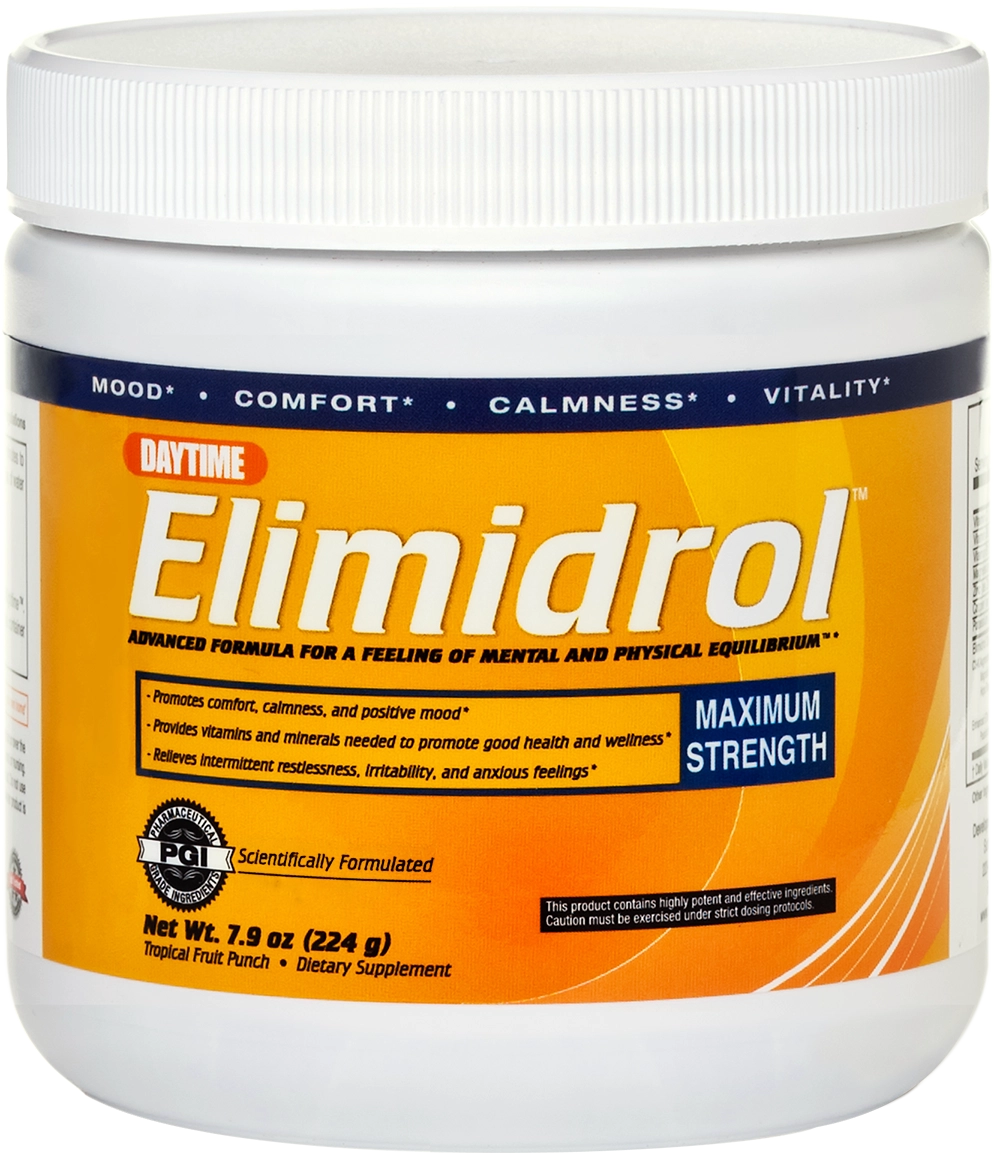
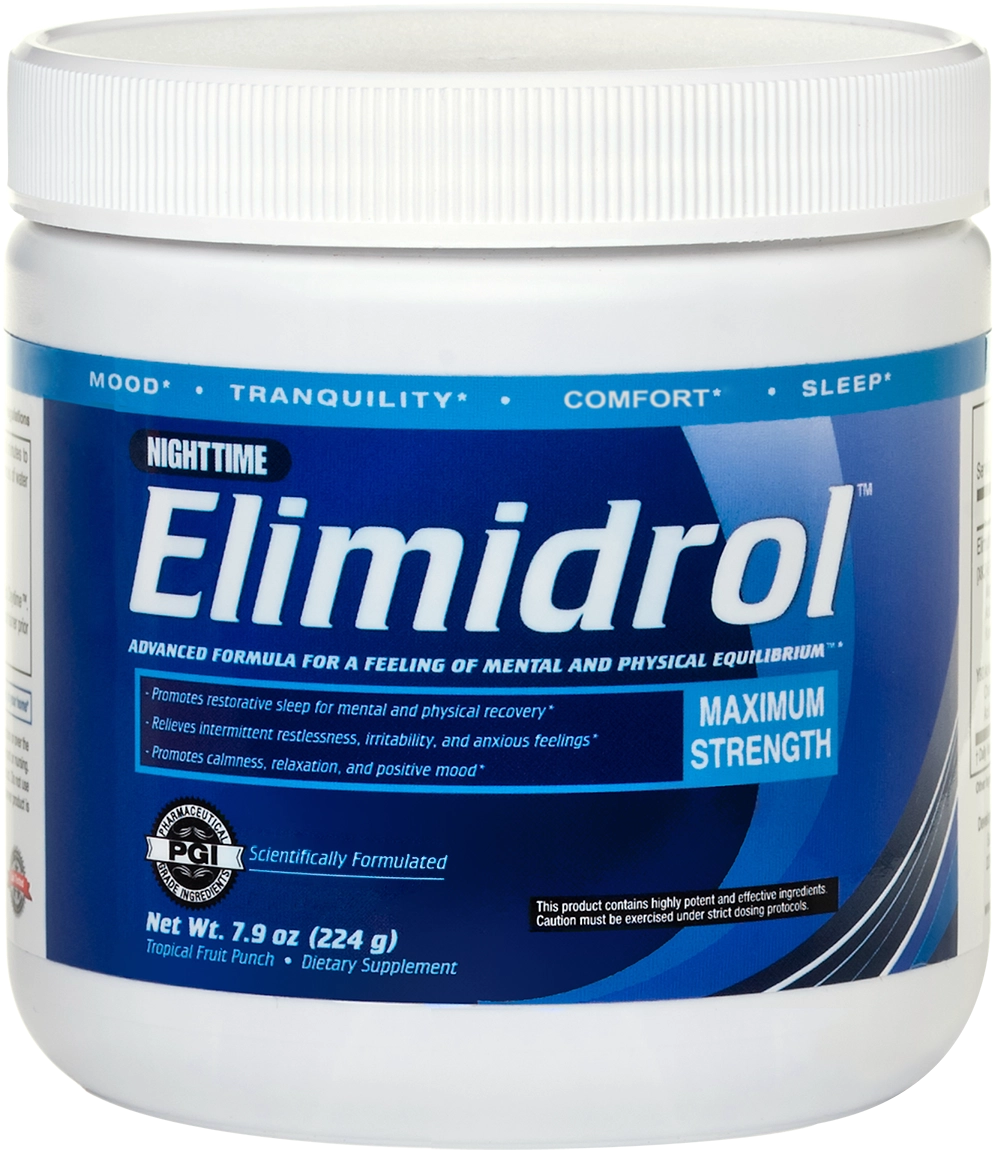
Elimidrol Daytime Formula is designed to enhance mood and promote mental and physical comfort, calmness and well-being. Elimidrol Nighttime Formula complements those goals with evening relaxation and a focus on restful sleep. Both formulas are intended to help relieve intermittent restlessness, irritability and anxious feelings.
Read the current ingredient panels and Directions on the product pages. If you take medication, use other supplements or have a health condition, ask a healthcare professional about the combination rather than adding separate products without checking.
Choose one next step, then reassess
You might decide to eat lunch, take a short walk, pause notifications or contact a friend. Try one action that fits your situation. You can then decide whether you need another small step, more rest or help with the underlying problem.
Many bad moods pass, but waiting is not the only option when a low mood persists or disrupts daily life. Seek professional support if that happens. For more short, practical ideas, explore our seven quick tips to improve your mood.