


A tense body, a busy mind and a low mood can call for different kinds of support. Sometimes you need a more comfortable place to sit. Sometimes you need a pause, a conversation or an activity that feels enjoyable again.
Comfort, calmness and a positive mood are related, but they are not the same thing. Giving each one a little attention can help you choose a useful next step instead of trying to change everything about your day.
Start with physical and emotional comfort
Notice what is making it difficult to settle. Are you hungry, tired, too warm or sitting in an awkward position? Is a noisy room or an unfinished conversation taking your attention? A specific answer makes a practical change easier to choose.
- For your surroundings: adjust your chair, move away from a distracting noise or clear enough space for the activity in front of you.
- For your routine: make time for a meal, a drink of water or a brief movement break.
- For emotional support: tell someone what would help, whether that is listening, company or assistance with a task.
A comfortable environment does not have to be expensive or picture-perfect. Focus on a change you can feel and use. If discomfort is persistent or unexplained, seek appropriate medical advice rather than assuming it is simply part of a stressful day.
Make room for a calmer response
Calmness does not require an empty mind or the absence of every difficult feeling. It can mean having enough room to decide how you want to respond.
Before replying to an upsetting message, put down the phone and take a few comfortable breaths. Let your shoulders soften. Then decide whether you want to answer now, ask for clarification or return to the conversation after a short break.
You can use a similar pause before switching from work to home responsibilities. Close the task you were working on, note what comes next and choose a simple transition, such as a short walk or a change of clothes. Our guide to restlessness and irritability offers more ways to respond to those specific feelings.
Give enjoyment a place in your day
A positive mood does not mean forcing yourself to feel cheerful. It is possible to have a difficult day and still make room for something you value.
Choose an activity for its own enjoyment: play a game outside, listen to a favorite album, cook something familiar or spend time on a hobby. Make the next step small enough to begin. Taking out a sketchbook is more concrete than promising to “be more creative.”
Connection can matter here, too. Arrange something manageable with a person whose company you enjoy. The NIH Social Wellness Toolkit offers ideas for building connections, communicating and asking for support.
Build a routine around the part of the day that needs help
Look for a recurring moment rather than a perfect all-day schedule. If afternoons feel rushed, protect a meal break and decide which task comes first. If evenings feel unsettled, give yourself a repeatable way to wind down.
Try one change before adding several more. You might keep a brief note of what you tried and whether it made the routine easier. This can help you recognize useful patterns without making every feeling a problem to measure.
How Elimidrol supports comfort, calmness and mood
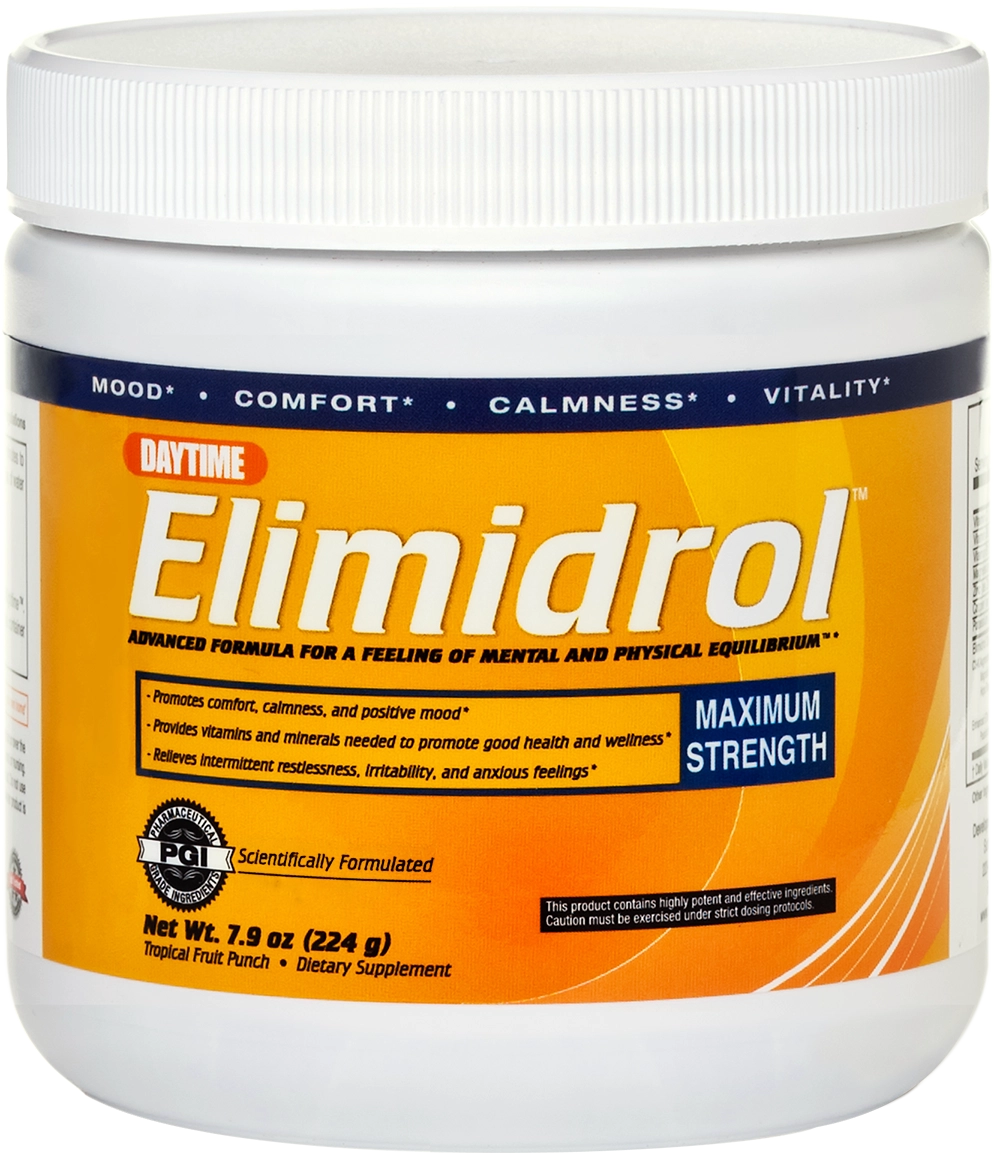
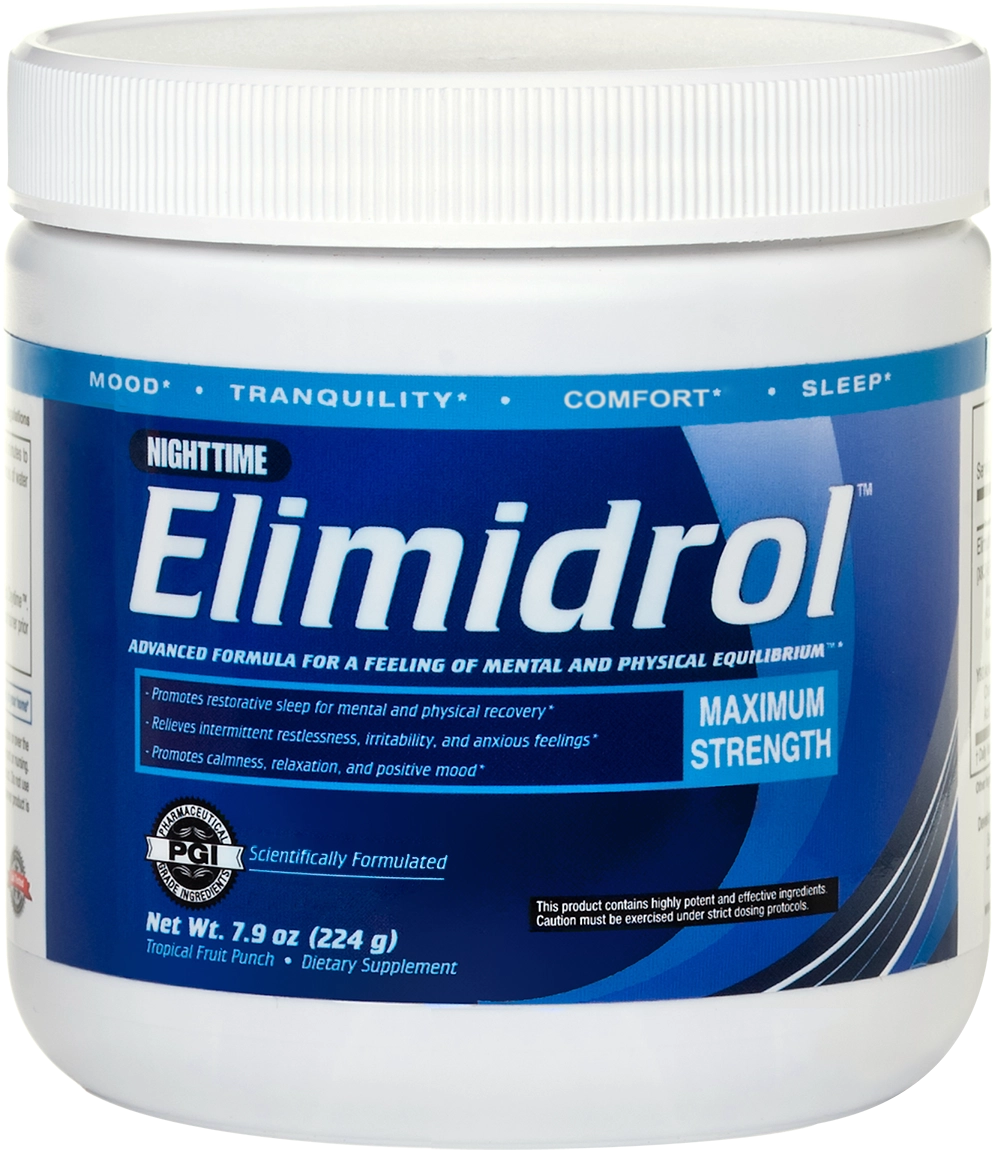
We created Elimidrol to enhance mood and promote mental and physical comfort, calmness and an overall sense of well-being. Our formulas also help relieve intermittent restlessness, irritability and anxious feelings.
Daytime support
Elimidrol Daytime is designed for mood and comfort support during the day. It combines botanicals and amino acids with vitamins and minerals. See the product page for the complete ingredients and Directions.
Evening relaxation and restful sleep
Elimidrol Nighttime complements those mood, comfort and calmness goals with an emphasis on evening relaxation and restful sleep. It is a different formulation, so review its own ingredients and instructions rather than assuming the two products are interchangeable.
Choose the support that fits your routine and follow the relevant Directions. If you take medicines or have a health condition, a qualified healthcare professional can help you review the ingredients. Our money-back guarantee page explains the current eligibility and terms.
Choose one useful next step
Start with the question that best fits today: “What would make me more comfortable?”, “What would help me pause?” or “What would I enjoy doing?” Then choose one action you can take.
If difficult feelings persist or interfere with sleep, relationships, work or other daily activities, seek professional support. Everyday habits and additional mood support can have a place in your life without requiring you to manage everything alone.