

Wake Up Your Internal Clock in Just 10 Minutes
A simple morning light routine can be one of the easiest ways to support a steadier daily rhythm. Soon after you wake up, your body begins taking cues from the environment to help decide when to feel alert, when to wind down, and how to pace energy across the day. Light is one of the strongest of those cues. Even a short window of morning brightness can help set the tone for better wakefulness, a more predictable schedule, and a smoother transition into the day.
If you are trying to support a circadian rhythm reset, morning light exposure is a practical place to start. Your circadian rhythm is your body’s internal 24-hour timing system. It helps regulate patterns related to sleep, alertness, and daily energy. Getting light exposure relatively soon after waking can help reinforce the message that it is daytime, which may support feeling more awake in the morning and more ready to rest at night. This is why many people build a light routine before checking messages, starting work, or reaching for another cup of coffee.
The good news is that this habit does not need to be complicated. In many cases, just 10 minutes of consistent morning light can be a useful first step. Depending on your setting and schedule, that might mean stepping outside, sitting on a porch, taking a short walk, or simply spending a few minutes in natural daylight as part of your normal routine. The goal is consistency rather than perfection.
In the sections ahead, you will learn:
- What morning light does and why timing matters
- How to build a realistic routine that fits your schedule
- Common mistakes that can make the habit less effective
- Simple ways to stay consistent, even on busy mornings or cloudy days
As you read, keep in mind that small, repeatable habits often work better than overly ambitious changes. If you have vision concerns, work overnight shifts, or have questions about light exposure and your personal routine, it is a good idea to check with a qualified healthcare professional for individualized guidance.
Quick Answer: What Is a Morning Light Routine?
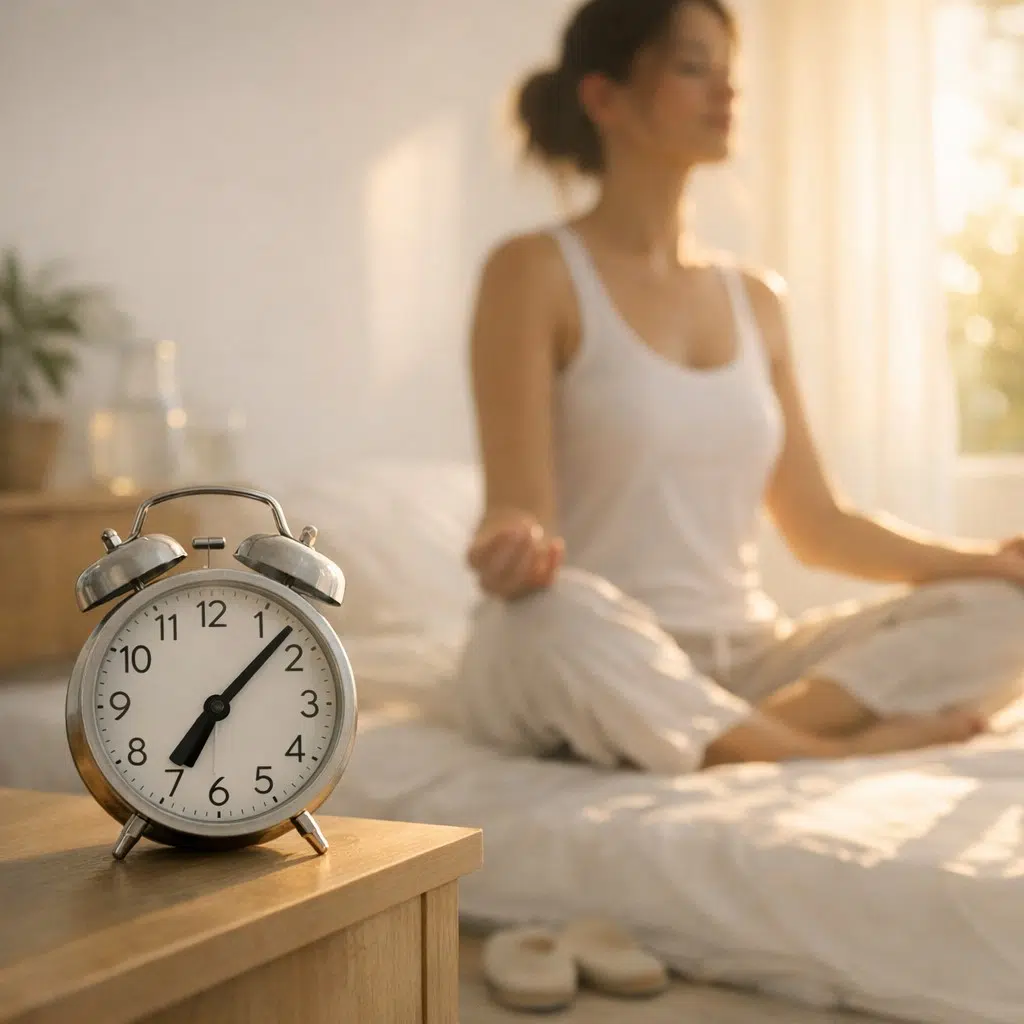
A morning light routine is a simple daily habit of getting outside for a short period of natural light soon after waking. The goal is to help signal to your body and brain that the day has started. This light exposure can act like a cue for your internal clock, which helps organize when you feel more awake during the day and when you begin to feel ready for rest later on.
A practical starting point is about 10 minutes outdoors soon after waking. Stepping outside with your coffee, taking a short walk, or sitting on a porch can make the habit easy to repeat. Consistency matters more than perfect timing, and cloudy mornings still provide outdoor light.
How helpful a morning light routine feels can vary from person to person. A few key factors may influence the experience:
- Timing: Getting light earlier in the day is typically the focus of the routine.
- Light intensity: Brighter outdoor conditions may feel more noticeable than dimmer ones.
- Weather: Sunny and cloudy mornings can feel different, but both can still provide natural light exposure.
- Season: Daylight timing and brightness change throughout the year.
- Individual schedule: Work hours, school routines, and wake times can affect what is practical.
If you are just starting, keep it simple: aim to get outside soon after waking for a few minutes and build from there. Over time, a steady morning light habit may help support a more predictable daily rhythm. If you have specific eye concerns, a sleep-related condition, or questions about what is appropriate for your routine, it is a good idea to check with a healthcare professional.
What “Reset Your Body Clock” Really Means
When people say they want to “reset” their body clock, they are usually talking about getting their daily rhythm back into a more consistent pattern. Your body clock, also called your circadian rhythm, is your internal 24-hour timing system. It helps regulate when you tend to feel sleepy or alert, and it also influences patterns related to hormones, body temperature, and appetite throughout the day.
In simple terms, this internal clock helps your body recognize when it is time to wake up, be active, eat, and start winding down. If that rhythm becomes inconsistent, you may notice that your mornings feel harder, your energy feels uneven, or your sleep schedule starts drifting later than you want.
It is also important to understand what a circadian rhythm reset does not mean. It does not usually mean an instant overnight change. Instead, it means helping your body align more consistently with your preferred wake and sleep times through steady habits and timing cues.
Why Morning Light Matters to Circadian Timing
Light is one of the strongest signals for your body clock. The National Institute of General Medical Sciences notes that light and dark have the biggest influence on circadian rhythms. When light enters the eyes in the morning, it helps send a message to the brain that daytime has begun.
The National Heart, Lung, and Blood Institute explains that light and darkness help determine when you feel awake or drowsy and help keep the central body clock in tune with day and night. That is why a morning light routine is best understood as a timing cue, not a quick fix. Getting light exposure earlier in the day can help reinforce the difference between “daytime” and “nighttime” in your body’s schedule. Over time, a consistent routine may support a more regular daily pattern.
Practical ways to use morning light include:
- Opening curtains soon after waking
- Spending time outdoors in the morning
- Keeping wake times as consistent as possible
Signs Your Rhythm May Need More Support
Some signs may suggest your body clock is out of sync with the schedule you want to keep. Common examples include:
- Difficulty feeling fully awake in the morning
- Irregular wake times on weekdays compared with weekends
- Low morning energy or sluggishness during the first half of the day
- Feeling off schedule after travel, seasonal light changes, or late nights
If these patterns happen often, focusing on consistent morning routines and light exposure may help support better daily timing. If sleep or energy concerns persist, it is a good idea to speak with a qualified healthcare professional.
How a 10-Minute Morning Light Routine May Support Energy
Morning light and alertness
A simple morning light routine may help support a more awake, ready-to-start-the-day feeling. Early daylight acts as an environmental cue that tells the body it is time for daytime activity. For many people, getting outside soon after waking can help encourage a clearer transition from sleepiness into alertness, especially when the habit is practiced consistently.
This does not mean one short session will transform your day on its own. Instead, morning light can be one helpful part of a broader routine that supports wakefulness, focus, and a steadier sense of momentum. When paired with other supportive habits, such as a regular sleep schedule and movement, it may help you feel more mentally prepared for work, errands, exercise, or other daily tasks.
Some people notice that morning light helps them feel more mentally “online” early in the day. That may show up as:
- A smoother start to the morning
- Better sense of alertness after waking
- Improved readiness for concentration and planning
- More natural momentum as the day begins
Morning light for energy throughout the day
A consistent morning light habit may also help support a more stable sense of daytime energy. Rather than relying on one ideal session, the benefit often comes from regular exposure over time. In other words, consistency usually matters more than perfection. If you can step outside for about 10 minutes most mornings, that routine may be more helpful than waiting for the “perfect” day and doing it only occasionally.
Keeping the practice simple can make it easier to maintain. Try building it into something you already do, such as drinking water, taking a short walk, or sitting outside with your morning beverage. The goal is to make morning light a repeatable cue that fits naturally into your day.
Why outdoor light is usually the first choice
Outdoor light is usually the first choice because natural daylight is generally much brighter than typical indoor lighting, even when the weather is cloudy or overcast. That higher light exposure may provide a stronger daytime signal than indoor environments usually can.
When possible, start with outdoor exposure instead of relying only on standing near a window. A brief walk, sitting on a porch, or spending a few minutes outside can be a practical way to get started. If you have questions about light exposure and your individual needs, especially if you have an eye condition or other health concerns, consider checking with a healthcare professional.
How to Do a Morning Light Routine in 10 Minutes
A morning light routine does not need to be complicated to be useful. For many people, a simple 10-minute practice can be a realistic way to build consistency. The goal is to make daylight exposure part of the first part of your day, using an approach that feels easy to repeat most mornings.
Step 1: Go outside soon after waking
Try to step outside as early as practical after you wake up. In many cases, “soon after waking” is more helpful than waiting until later in the morning, because it ties the habit to the start of your day. That might mean heading to your yard, porch, balcony, driveway, or sidewalk while you are still easing into your routine.
If your mornings are busy, keep the goal simple: get outside for a few minutes rather than waiting for the perfect time. A short routine you actually do regularly can be more useful than a longer plan that feels hard to maintain.
Step 2: Let daylight reach your eyes indirectly
You do not need to stare at the sun, and you should not look directly at it. For a basic morning light routine, simply being outdoors in daylight is typically enough. Natural light in your environment can help support the routine without any special technique.
Think of it as normal outdoor exposure rather than a task you have to perform perfectly. You can stand, walk, or sit outside and let daylight be part of your morning while keeping your eyes comfortable and your attention on your surroundings.
Step 3: Pair it with an easy habit
One of the easiest ways to stay consistent is to attach your light routine to something you already do. This approach, often called habit stacking, can make the practice feel automatic instead of like another item on your to-do list.
- Take a short walk around the block
- Do a few minutes of gentle stretching outside
- Journal on the porch or balcony
- Water plants in the yard
- Sip a glass of water outdoors
When the routine is linked to an existing habit, it is often easier to remember and repeat from day to day.
Step 4: Keep it realistic
Ten minutes is a practical starting point for most readers. It is long enough to create a consistent morning ritual, but short enough to fit into a busy schedule. If conditions are darker, cloudier, or changing with the seasons, some people may choose to stay out a bit longer if that feels comfortable and practical.
The most important part is consistency, not perfection. Start with what feels manageable, adjust as needed, and if you have vision concerns or questions about light exposure, consider checking with a qualified healthcare professional.
Best Timing for a Circadian Rhythm Reset
When people are trying to support a circadian rhythm reset, the general goal is to line up light exposure with the beginning of the day. Light is one of the main signals that helps the body recognize when it is time to feel more alert and when it is time to start winding down later on. Because of that, the timing of morning light often matters just as much as the habit itself.
How soon after waking should you get light?
In general, earlier light exposure after waking is the target for people who want to help support a more regular sleep-wake pattern. Getting light relatively soon after getting out of bed can help reinforce the difference between daytime and nighttime, which may support daytime alertness and a more predictable evening wind-down.
That does not mean the routine has to be perfect every day. A practical approach is to make morning light one of the first parts of your day when possible. For many people, consistency is more helpful than trying to follow an overly rigid schedule. If you are adjusting your routine, it can help to pair light exposure with another morning habit, such as stepping outside after waking, taking a short walk, or having your first few minutes of the day near natural light.
What if you wake up before sunrise?
If you wake before the sun is up, keep your wake time as consistent as you reasonably can and get outside once daylight is available. This can still be a helpful way to give your body a stronger daytime cue, even if natural light is not available the moment you open your eyes.
Indoor lighting can still be part of a wake-up routine while you are getting ready for the day. For example, turning on lights, opening curtains, and staying active after waking can help signal that the day has started. Still, outdoor daylight remains especially valuable once it becomes available, so it is worth stepping outside later in the morning if you can.
Does cloudy or winter weather still count?
Yes, in general it still counts. Even when the sky is overcast or the season brings shorter, darker days, outdoor light can still be meaningful. Natural daylight outside is often noticeably different from typical indoor lighting, which is why maintaining the habit can still be useful even when conditions are less than ideal.
Rather than waiting for a perfectly bright morning, try to stay consistent:
- Go outside when daylight is available, even if it is cloudy.
- Keep the habit going during winter months instead of skipping it.
- Use indoor lights as part of your morning routine, but continue to prioritize outdoor daylight when possible.
If your schedule, environment, or sleep concerns are making it hard to build a routine, consider speaking with a healthcare professional for personalized guidance.
Common Morning Light Routine Mistakes to Avoid
Building a morning light habit can be simple, but a few common mistakes may make the routine less helpful than expected. If your goal is to support a more consistent daily rhythm, it helps to pay attention not just to getting light, but also to timing, consistency, and basic comfort. Small adjustments can make the practice easier to stick with over time.
Waiting too long after waking
One frequent mistake is delaying light exposure for too long after getting out of bed. Morning light works best as an early cue that helps define the beginning of your day. When that light signal is pushed back, it may weaken the contrast between morning and later daytime hours, making the routine feel less structured. In practice, this means it can help to seek light relatively soon after waking rather than waiting until late morning.
Relying only on indoor light
Another issue is assuming that any light indoors will provide the same daytime signal as time outside. While opening curtains and brightening your home can still be part of a supportive routine, indoor lighting may be less effective than outdoor light for reinforcing a clear morning pattern. Even a short period outdoors, when practical, may offer a stronger cue that it is time to be awake and active.
Being inconsistent on weekends
Large shifts in weekend wake times can also interfere with progress. Sleeping much later on days off may make it harder to return to your usual routine during the week. If your schedule changes often, your body may receive mixed signals about when the day is supposed to start. Keeping your wake time and morning light practice reasonably consistent can help support a steadier rhythm.
Expecting instant results
It is also important to set realistic expectations. Morning light habits typically support circadian patterns through repetition, not overnight change. Many people benefit most when they approach it as a daily practice rather than a one-time fix. Consistency often matters more than perfection, so steady effort may be more useful than trying to do everything exactly right from the start.
Skipping safety basics
Safety and comfort should always be part of the routine. Pay attention to weather, temperature, and eye comfort when spending time outside in the morning. If conditions are harsh, adjust your plan in a practical way while still aiming for regular exposure when possible.
- Dress for the temperature and current weather conditions.
- Avoid staring directly at the sun and prioritize eye comfort.
- Use extra caution if bright light feels uncomfortable.
- Consult a healthcare professional if you have specific eye concerns, use medications that may affect light sensitivity, or have questions about major routine changes.
By avoiding these common mistakes, you can create a morning light routine that feels more realistic, consistent, and supportive of your overall daily schedule.
Simple Ways to Make Morning Light More Effective
Morning light can be a helpful anchor for your daily body clock, but the routine often works best when it is paired with a few consistent habits. If you are trying to support a steadier sleep-wake pattern, small choices in the first part of the day can strengthen the signal your body receives from natural light. The goal is not perfection, but a repeatable routine that feels realistic to maintain.
Keep a consistent wake time
Waking up at about the same time each day can help reinforce the effect of morning light exposure. When your body receives similar timing cues day after day, it may be easier to support a more predictable rhythm for alertness in the morning and wind-down later in the evening. Even if bedtime varies somewhat, a regular wake time can still provide a strong daily reference point.
For many people, consistency matters more than making dramatic changes all at once. If your current schedule feels irregular, consider adjusting gradually and aiming to keep your wake time similar on both weekdays and weekends.
Move your body lightly
Pairing morning light with gentle movement can help you feel more awake and ready to start the day. This does not need to be intense exercise. A brief outdoor walk, easy stretching, or light mobility work in the fresh air can be a practical way to combine light exposure with movement.
- Take a short walk around the block after waking.
- Try a few minutes of gentle mobility exercises outside.
- Stand, stretch, and breathe deeply while getting early daylight.
These simple actions may help support alertness and make the habit easier to stick with over time.
Limit behaviors that blur your schedule
Some habits can make a circadian rhythm reset feel slower. Irregular sleep timing, sleeping in much later than usual, and inconsistent morning routines may send mixed signals to your body clock. If one day starts very early and the next begins much later, it can be harder for your system to settle into a dependable pattern.
Keeping your mornings relatively similar can help. Try to avoid large swings in wake time when possible, and build a repeatable sequence such as getting up, getting light exposure, and beginning light activity.
Track how you feel
A simple log can make it easier to notice whether your routine is helping. You do not need anything complicated. Write down your wake time, when you got morning light, and how your morning energy felt. Over time, patterns may become clearer, including which habits seem to support a smoother start to the day.
- Wake time
- Approximate time spent in morning light
- Morning energy or alertness
- Notes about consistency from day to day
If you have ongoing sleep concerns or questions about major schedule changes, consider checking in with a qualified healthcare professional.
Sample 10-Minute Morning Light Routine
If you want to build a morning light habit, keeping it simple can make it easier to repeat. A short routine can help you get daylight exposure early in the day without turning your schedule upside down. The goal is consistency, not perfection, so even a brief outdoor check-in may support a steadier routine over time.
Option 1: At-home routine
An at-home routine works well if you have a porch, sidewalk, yard, balcony, or other safe outdoor space nearby. You do not need to do anything complicated. Just pair light exposure with actions you already do in the morning.
- Minute 1–2: Get dressed, drink a glass of water, and step outside.
- Minute 3–7: Sit, take a short walk, or do a few gentle stretches in daylight.
- Minute 8–10: Set your top priorities for the day, journal briefly, or practice slow breathing outdoors.
This approach can feel manageable because it stacks onto habits you may already have. If 10 minutes feels like too much at first, start with a shorter window and build from there.
Option 2: On-the-go routine
Busy mornings do not have to mean skipping daylight altogether. If you commute, use the walk from your car, the route from a transit stop, or a quick lap around the block as your light exposure window. This can be an easy way to fit the habit into a full schedule without adding another task to your to-do list.
Helpful ways to keep it practical include:
- Park a little farther away when possible.
- Get off transit one stop early if it feels realistic.
- Walk for a few minutes before going back inside.
- Keep your shoes, coat, or bag ready the night before.
The simpler the routine, the more likely you are to stick with it.
Option 3: Cold or rainy weather routine
Weather does not have to end the habit. On cold, windy, or rainy mornings, wear weather-appropriate layers and aim for a shorter outdoor check-in if conditions are uncomfortable. Even a brief period outside may help you stay consistent with the routine.
Try to focus on showing up rather than making every day ideal. Some exposure is often better than skipping the habit entirely. If you have any concerns about outdoor activity or your daily routine, consider checking with a healthcare professional for personalized guidance.
Who May Benefit Most From Morning Light for Energy?
Morning light can be a practical tool for many people who want to feel more alert and consistent at the start of the day. Because light is one of the main signals that helps guide the body’s internal clock, getting light exposure soon after waking may support a steadier daily rhythm and a more energized morning routine. While individual responses vary, some groups may notice this habit fits especially well into their day.
Early risers who still wake up feeling sluggish may benefit from making outdoor light part of their first hour awake. Even if you get out of bed on time, your body may still need a clear cue that the day has started. Stepping outside, opening the blinds, or sitting near a bright window can help support wakefulness and make mornings feel less groggy over time.
People with inconsistent schedules may also find morning light useful because it creates a repeatable “anchor” for the day. When bedtime and wake time shift often, a consistent light habit can help reinforce a more regular rhythm. This can be especially helpful for those trying to build a steadier morning routine without relying only on willpower or caffeine.
Morning light may also be especially relevant for people who spend much of the day indoors. Remote workers, office workers, and anyone who starts the day under artificial lighting may miss out on the stronger daylight cues available outdoors. In these cases, making a point to get outside briefly in the morning can help support alertness, mood, and a clearer transition into the workday.
Travelers or people adjusting their schedule may also find morning light helpful when trying to feel more in sync with a new routine. Although it is not a quick fix, regular light exposure at the right time of day may support a smoother adjustment to changing sleep-wake patterns.
- Early risers who want to feel more awake soon after getting up
- People with variable routines who need a consistent morning cue
- Indoor workers with limited exposure to natural daylight
- Travelers or schedule-adjusting individuals aiming for a steadier daily rhythm
As a general rule, consistency matters. If you are trying morning light as part of a wellness routine, aim to make it a regular habit and pay attention to how you feel. If you have a sleep concern, eye condition, or questions about your routine, consider checking with a qualified healthcare professional.
How Morning and Evening Routines Work Together
Daily rhythms are shaped by consistent cues that tell the body when to feel alert and when to begin winding down. In practice, this means morning and evening habits often work best as a pair rather than as separate routines. A steady start to the day can help set the tone for daytime alertness, while a calmer evening pattern can help support a smoother transition into rest.
Morning cues help define the start of the day
Morning light is one of the strongest daily signals for timing. Exposure to natural light soon after waking can help reinforce the body’s internal sense of day versus night. For many people, simple habits such as opening the curtains, stepping outside briefly, or sitting near a bright window can serve as practical anchors for the morning.
Consistency matters as much as intensity. Keeping a similar wake time and pairing it with regular morning light exposure may help support a more predictable daily rhythm. Other cues, such as getting dressed, eating breakfast, or taking a short walk, can further define the start of the day and make the routine easier to maintain.
Evening habits support the other side of the rhythm
Just as bright morning cues can help signal “daytime,” a calmer and lower-light evening routine can help signal that the day is ending. This contrast is important. When evenings are filled with bright light, stimulating activity, or an irregular schedule, it may be harder for the body to shift into a wind-down mode.
General evening habits that may support this transition include:
- Dimming lights as bedtime approaches
- Reducing stimulating screen time when possible
- Keeping late-evening activities quieter and more predictable
- Following a similar bedtime routine on most nights
These habits do not need to be complicated. Even a short, repeatable routine can help create a clearer boundary between active daytime hours and a more restful evening period.
Where daytime and nighttime support may fit
Some people also explore broader wellness routines for daytime support or evening wind-down support as part of an overall schedule. This may include lifestyle practices, mindful relaxation habits, or supplements used within a consistent routine. If considering any supplement, it is wise to read the label carefully and consult a healthcare professional, especially if you take medications, are pregnant, or have specific health concerns.
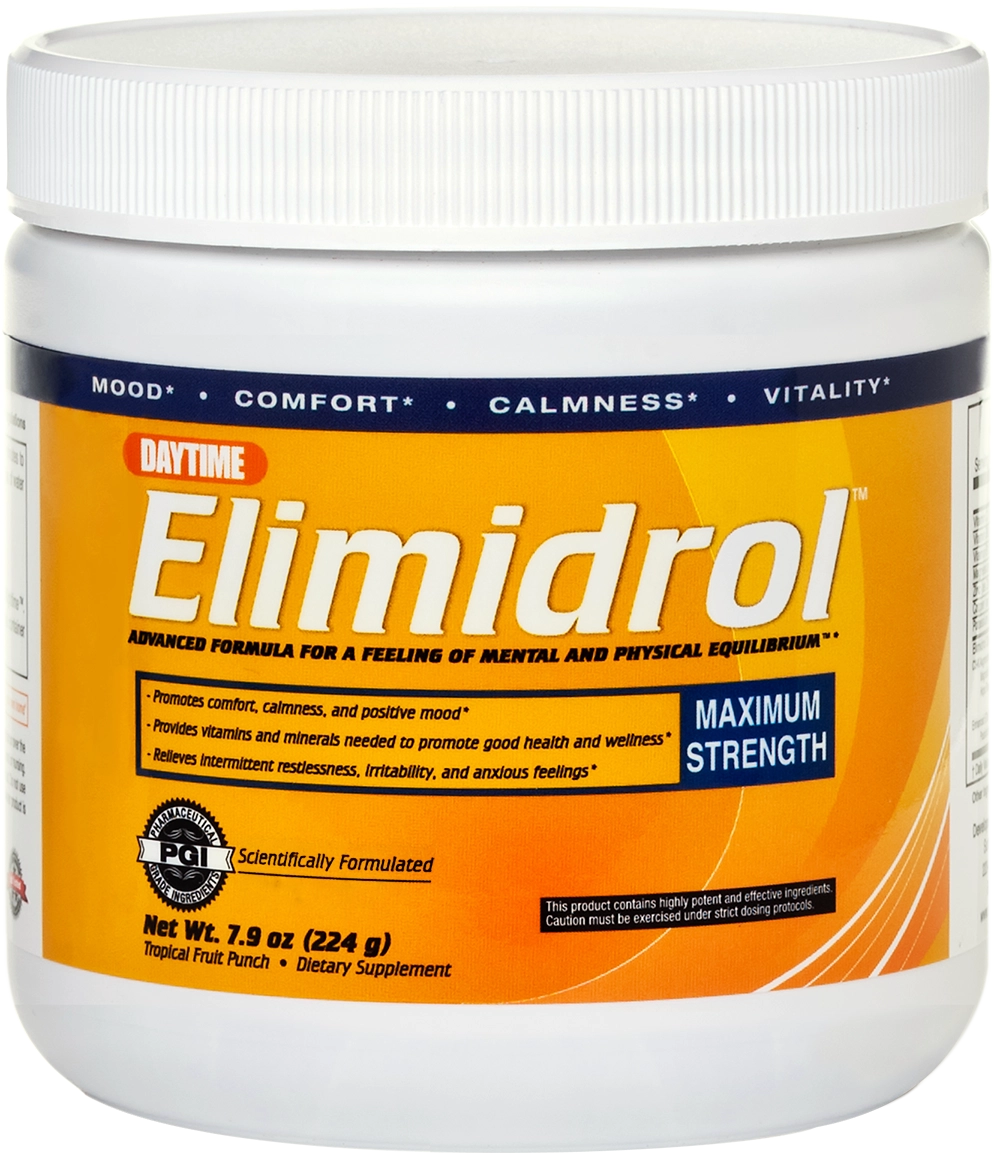
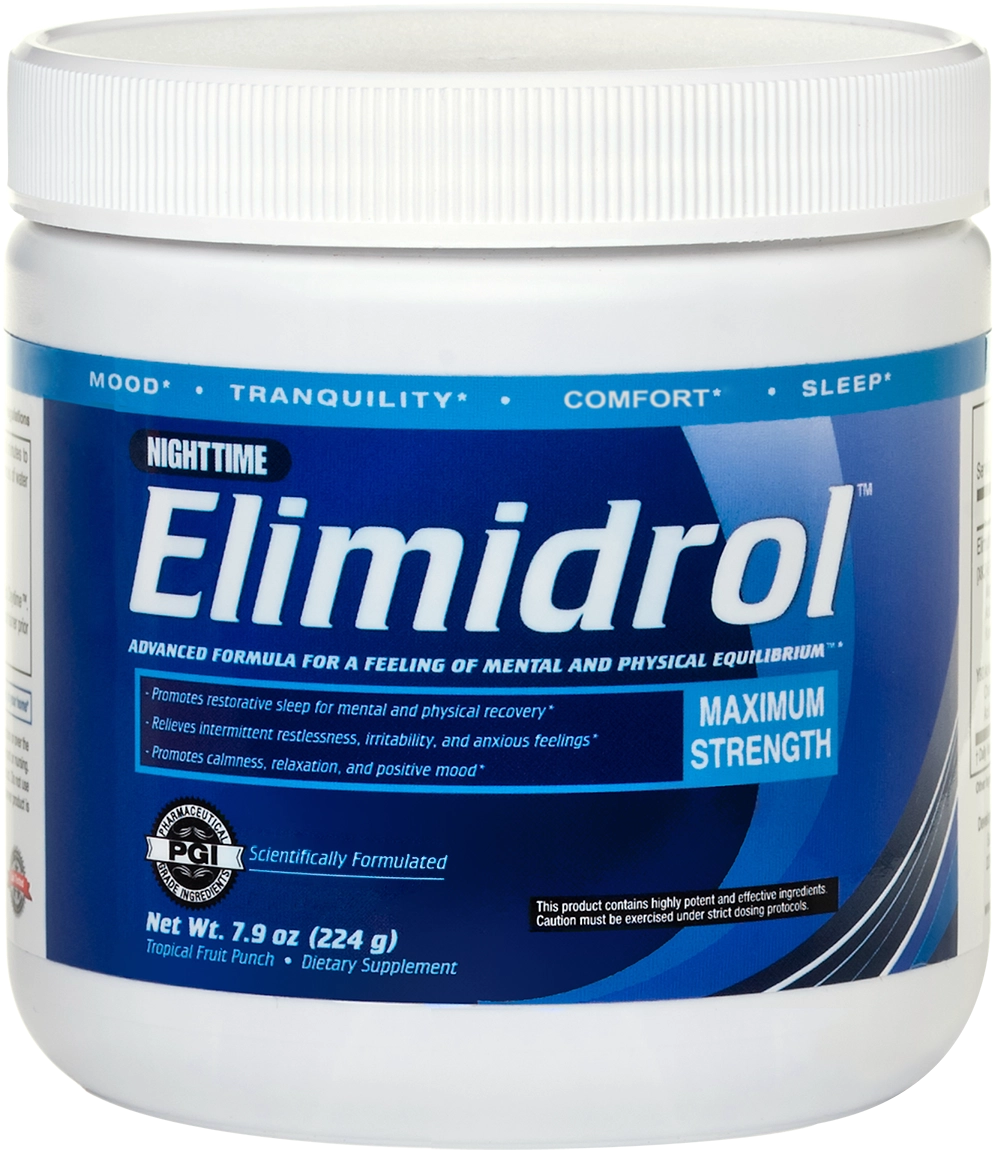
At a high level, Elimidrol.com features separate Daytime and Nighttime formulas positioned for daytime support and evening wind-down support.* These kinds of products are generally best viewed as one part of a larger routine built around regular light exposure, steady daily timing, and supportive habits.
FAQ About Morning Light Routine and Circadian Rhythm Reset
How long should a morning light routine be?
A practical starting point is about 10 minutes outdoors soon after waking. This gives many people an easy, realistic way to begin without feeling like the routine is difficult to maintain. Some people choose a longer exposure depending on the weather, season, available daylight, and their daily schedule. The most helpful approach is usually to start with a simple routine you can repeat consistently rather than aiming for a perfect number right away.
Is sunlight through a window enough?
Outdoor light is generally preferred when possible. Going outside typically provides a stronger daylight signal than sitting near a window, even if the room looks bright. That does not mean window light has no value, but it may be less effective than stepping outdoors for a few minutes. If getting outside right away is not possible, a bright window can be a reasonable backup while you work toward a more consistent outdoor habit.
Can cloudy mornings still help?
Yes. Even on cloudy mornings, outdoor daylight can still provide a useful signal for your body clock. The sky may look dimmer than on a sunny day, but being outside is often still more helpful than staying indoors under typical household lighting. This is why many people continue their morning light routine regardless of cloud cover.
How many days does it take to notice a difference?
Experiences vary from person to person. Some people pay attention to how they feel over several days, while others focus on longer-term consistency over a few weeks. Rather than expecting instant changes, it is usually more realistic to build the habit and notice gradual patterns in energy, alertness, and overall daily rhythm.
What if I miss a day?
If you miss a day, simply resume the next morning. Missing one session does not mean the routine has failed. In most cases, it helps to avoid overthinking it and return to the habit as soon as you can.
Can I combine a morning light routine with exercise?
Yes. A walk outside or other gentle movement can be an easy way to combine both habits. This approach may also make the routine feel more enjoyable and easier to remember. Simple options include:
- A short walk around the block
- Light stretching on a patio or sidewalk
- An easy outdoor mobility or warm-up routine
Is morning light safe for everyone?
Many people can practice a morning light routine safely, especially when it is kept simple and comfortable. However, anyone with eye concerns, light sensitivity, pregnancy or nursing considerations, or questions about medications should consult a healthcare professional for personalized guidance. If you are unsure how to adapt the routine for your needs, professional input can help you make a safe plan.
Where Day and Night Routine Support Fits
Morning light can help anchor your daily rhythm, but supplement timing still matters. If you are comparing Elimidrol options, the Daytime Formula is designed for daytime routine support, while the Nighttime Formula is designed for evening wind-down routines.
For a side-by-side breakdown, see Elimidrol Day vs Night. If you want to compare both formulas together, you can also review the Day + Night routine options in the Elimidrol shop.
Next Steps: Start Your 10-Minute Routine Tomorrow Morning
If you want to turn these ideas into a practical habit, keep the first step simple: decide on tomorrow’s wake time and choose exactly where you will get your morning light. That could mean stepping onto your porch, standing by a bright window, or taking a short walk outside. The goal is not to create a complicated ritual. It is to make the decision ahead of time so your morning feels easier and more automatic.
Preparing the night before can also help reduce friction. Small choices made in advance often make it easier to follow through when you are still waking up. If your routine includes going outside, place what you need where you will see it right away.
- Set out your shoes near the door.
- Place a jacket, hoodie, or hat within easy reach.
- Keep your keys, water bottle, or other essentials in one spot.
- Set a simple reminder on your phone if that helps you stay consistent.
Once your plan is in place, try the routine consistently for one to two weeks. A short trial period gives you enough time to notice patterns without putting pressure on yourself to get everything perfect right away. As you go, pay attention to a few basic markers, such as how alert you feel in the morning, how steady your daily rhythm seems, and whether the habit starts to feel more natural over time.
You may find it helpful to track a few notes each day, including:
- Your wake time
- Whether you got morning light
- How your morning energy felt
- Any changes in your overall daily rhythm
Most importantly, focus on building a repeatable 10-minute habit rather than chasing a perfect routine. Consistency often matters more than complexity. A simple plan you can actually do tomorrow morning is usually more useful than an elaborate routine that feels hard to maintain. If you have questions about changes to your wellness routine or your sleep-wake schedule, consider checking in with a qualified healthcare professional.