

Melatonin is a hormone that helps your body recognize when it is time for sleep. It rises in response to darkness and is part of the system that coordinates your daily sleep-wake rhythm. A melatonin supplement adds an outside source of that hormone; it does not simply make your body produce more of its own.
If you are considering melatonin, the useful questions are what is disrupting your sleep, whether timing is part of the problem, and how a supplement fits with your health history and evening routine.

What melatonin does for sleep
Your body clock responds to signals such as light and darkness. Melatonin helps communicate the nighttime signal, while other processes also influence how sleepy you feel and how well you sleep. That is why taking melatonin and feeling immediately sedated are not the same thing.
Bright light late in the evening, an inconsistent schedule or travel across time zones can make your usual sleep timing harder to maintain. A regular wake-up time, daylight during the day and a quieter, dimmer evening can help establish a more consistent rhythm.
When melatonin may help
The National Center for Complementary and Integrative Health’s melatonin overview explains that evidence differs depending on the reason for using it.
- Jet lag: melatonin may help with the disruption that follows travel across time zones. Timing matters because the goal is to align sleep with the destination’s schedule.
- A delayed sleep schedule: clinicians sometimes use melatonin for delayed sleep-wake phase disorder, in which sleep and waking occur much later than desired. This is different from an occasional late night.
- Shift work: studies have been small or inconclusive. Working nights does not mean melatonin will reliably solve daytime sleep difficulties.
- Ongoing insomnia: melatonin is not a substitute for evaluating persistent trouble falling or staying asleep. NCCIH notes that evidence is not strong enough to recommend it for chronic insomnia and describes cognitive behavioral therapy for insomnia, or CBT-I, as an initial treatment approach.
For occasional sleeplessness, start by noticing the pattern. A change in bedtime, late caffeine, an uncomfortable bedroom and worries that keep you awake call for different adjustments.
Why timing and amount both matter
There is no single melatonin schedule that fits every person, product or sleep concern. The amount used in a particular study is not a universal recommendation, and taking more is not a reliable way to get better sleep.
Follow the product’s directions and ask a qualified healthcare professional about timing when travel, shift work, medicines or a sleep disorder complicate the picture. If you are already using a multi-ingredient evening formula, check its ingredients before adding a separate melatonin product.
A short sleep diary can make that conversation more useful. Record when you go to bed, roughly how long it takes to fall asleep, when you wake, caffeine use and any next-day drowsiness. You do not need perfect measurements to notice a pattern.
Side effects and situations that need extra care
Melatonin can cause effects such as headache, dizziness, nausea or daytime drowsiness. Do not drive or use machinery if you feel sleepy or impaired. Short-term use appears safe for many people, but long-term safety information is limited.
Speak with your healthcare professional before using melatonin if you take medication, have a medical condition, are pregnant or nursing, or are considering it for a child. People taking blood thinners and people with epilepsy need medical supervision. A supplement should not replace treatment or an evaluation for persistent sleep problems.
Build an evening routine that supports rest
A supplement is only one possible part of an evening routine. Give the basics a consistent place first:
- Keep a reasonably consistent sleep and wake schedule.
- Leave time to wind down rather than switching straight from demanding work to bed.
- Reduce bright light close to bedtime and keep the bedroom comfortable, dark and quiet.
- Notice whether caffeine, nicotine or alcohol is affecting your night.
Our guide to sleep hygiene covers these habits in more detail. For a broader look at ingredients, see our sleep-supplement guide.
Melatonin in Elimidrol Nighttime
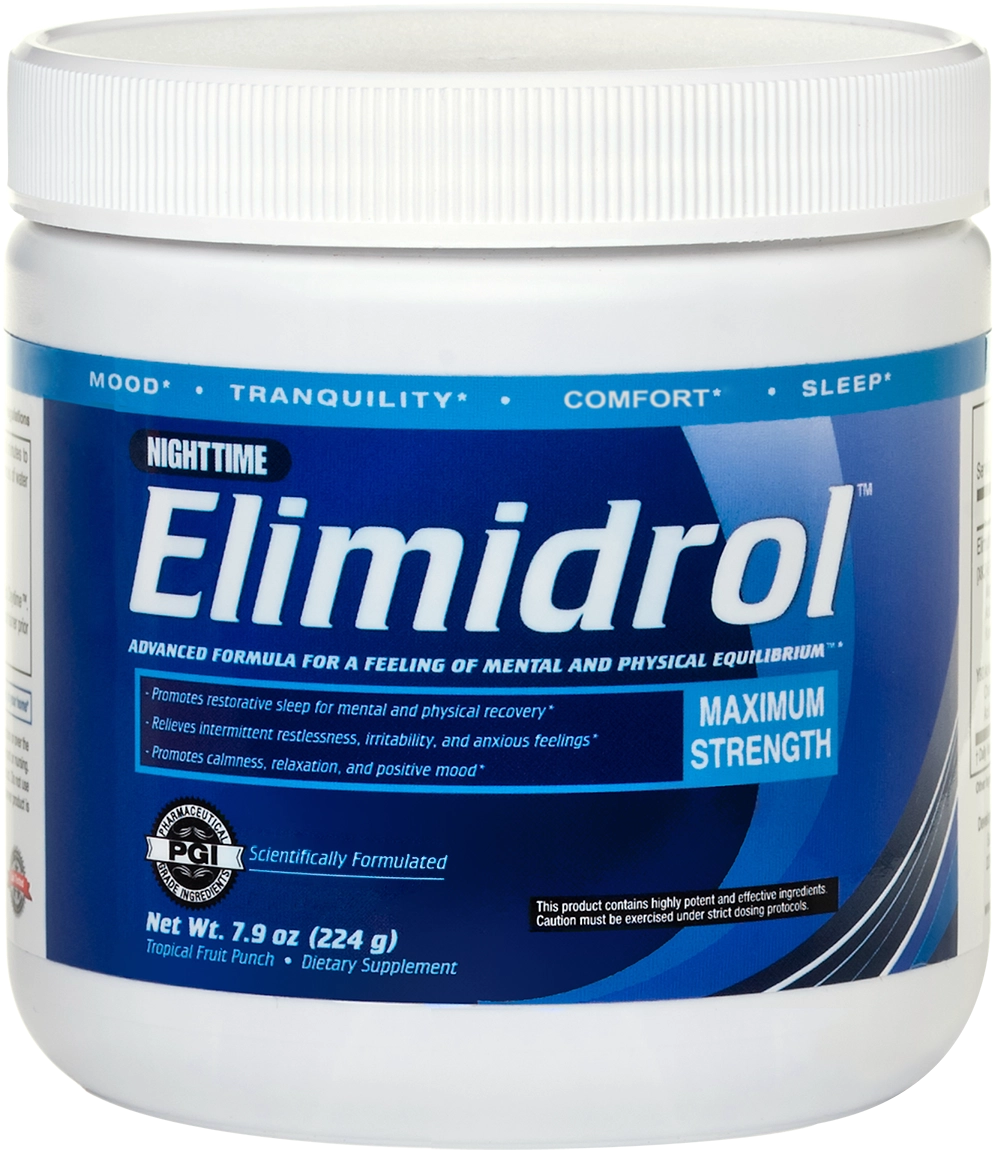
Elimidrol Nighttime Formula contains melatonin alongside other ingredients, including chamomile, passionflower, valerian and lemon balm. We designed Nighttime to support mood, mental and physical comfort, calmness and evening relaxation, with an emphasis on restful sleep. It also helps relieve intermittent restlessness, irritability and anxious feelings.
The Ingredients and Directions tabs on the product page explain the complete formula and how to use it. If you already use a separate melatonin or sleep product, review the combination with a healthcare professional before adding Nighttime.
Common questions
Is melatonin a sleeping pill?
In the United States, melatonin is sold as a dietary supplement. It is a hormone involved in sleep timing, not the same thing as a prescription sleep medicine.
Can foods replace a melatonin supplement?
Some foods contain melatonin, but the amount in a food does not establish that eating it will produce the same effect as a studied supplement. Regular, balanced meals can be part of a healthy routine without needing to function as a sleep treatment.
What if I am still sleeping poorly?
If sleep problems persist, affect your daytime functioning or leave you relying on more products to get through the night, seek professional guidance. Reviewing the underlying pattern is more useful than repeatedly increasing or combining supplements.