

Stress and intermittent anxious feelings can affect the way you concentrate, rest and interact with other people. Understanding what you are noticing can help you choose a useful response without turning an ordinary difficult day into a diagnosis.
Start with one question: is there a demand you can address, a feeling you need help settling or a routine that needs more support?
Stress and anxious feelings are related, but different
Stress is a response to an external cause, such as a deadline, a difficult conversation or a change at home. That cause may be brief or continue over time. Anxious feelings can occur alongside a stressful situation or without a current threat.
Intermittent describes feelings that come and go. It does not identify a particular medical condition. The NIMH guide to stress and anxiety explains the distinction and when professional support can help.
Match the response to what you notice
When a task feels overwhelming
Name the next action rather than the entire project. “Reply to this one email” or “write the first three points” gives you a place to begin. If competing demands are the problem, ask which task should take priority.
When your body feels tense
Find a comfortable position, soften your shoulders and let your breathing settle without forcing it. A change of position or a short walk may also fit the moment. Our calming guide offers a more detailed sequence.
When a conversation is becoming difficult
Ask for a brief pause and say when you will return. Then make one specific request, such as more time, clearer information or a quieter space. Listening and setting boundaries can be part of the same conversation.
Give daily habits a realistic place
Regular meals, movement, sleep and connection can support your everyday well-being. Choose one practical adjustment where your current routine is strained. Pack an easy lunch, arrange a walk with a friend or set a more consistent time to begin winding down.
You do not need to make every change at once. Our guide to dealing with everyday anxiety focuses on making these habits easier to repeat.
Where Elimidrol can fit
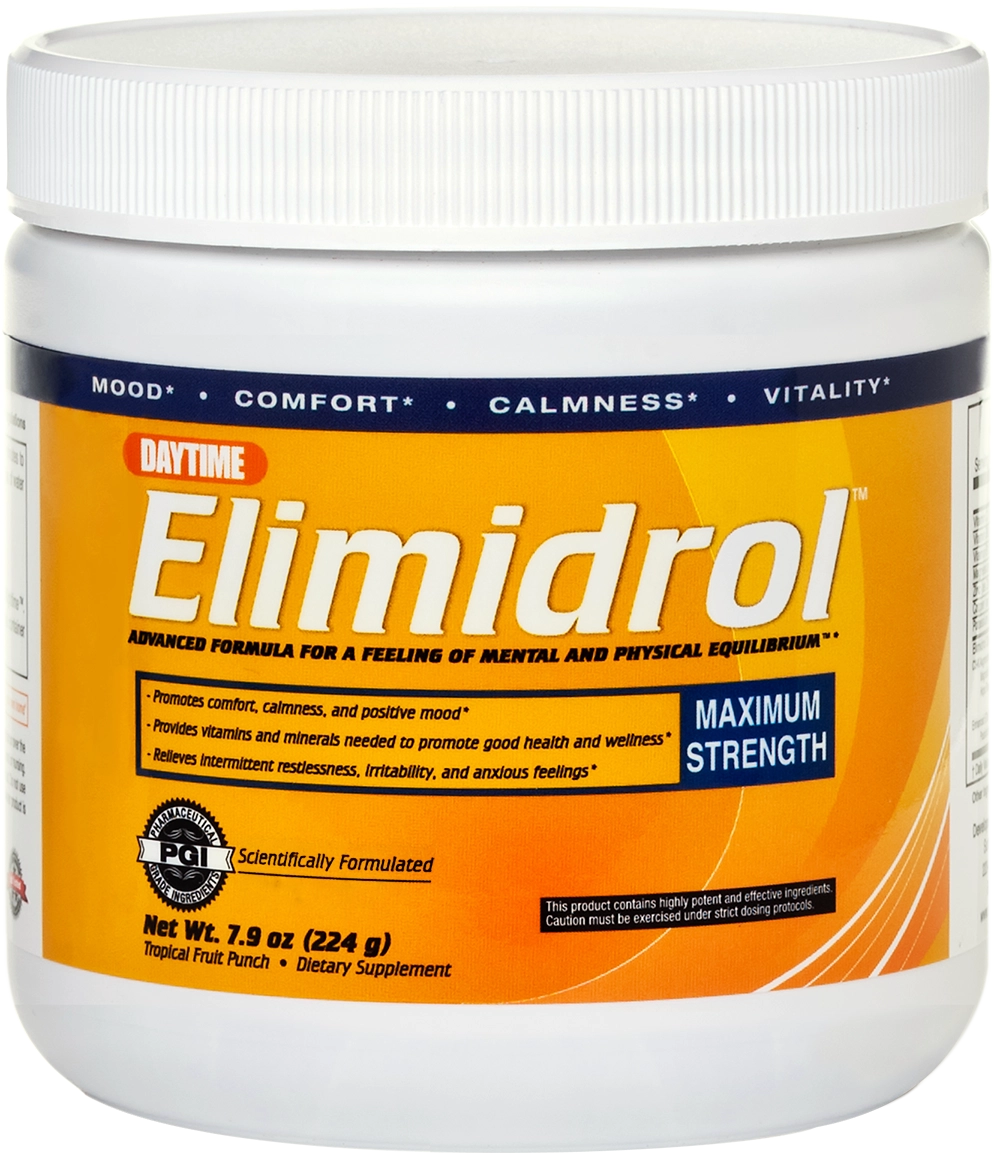
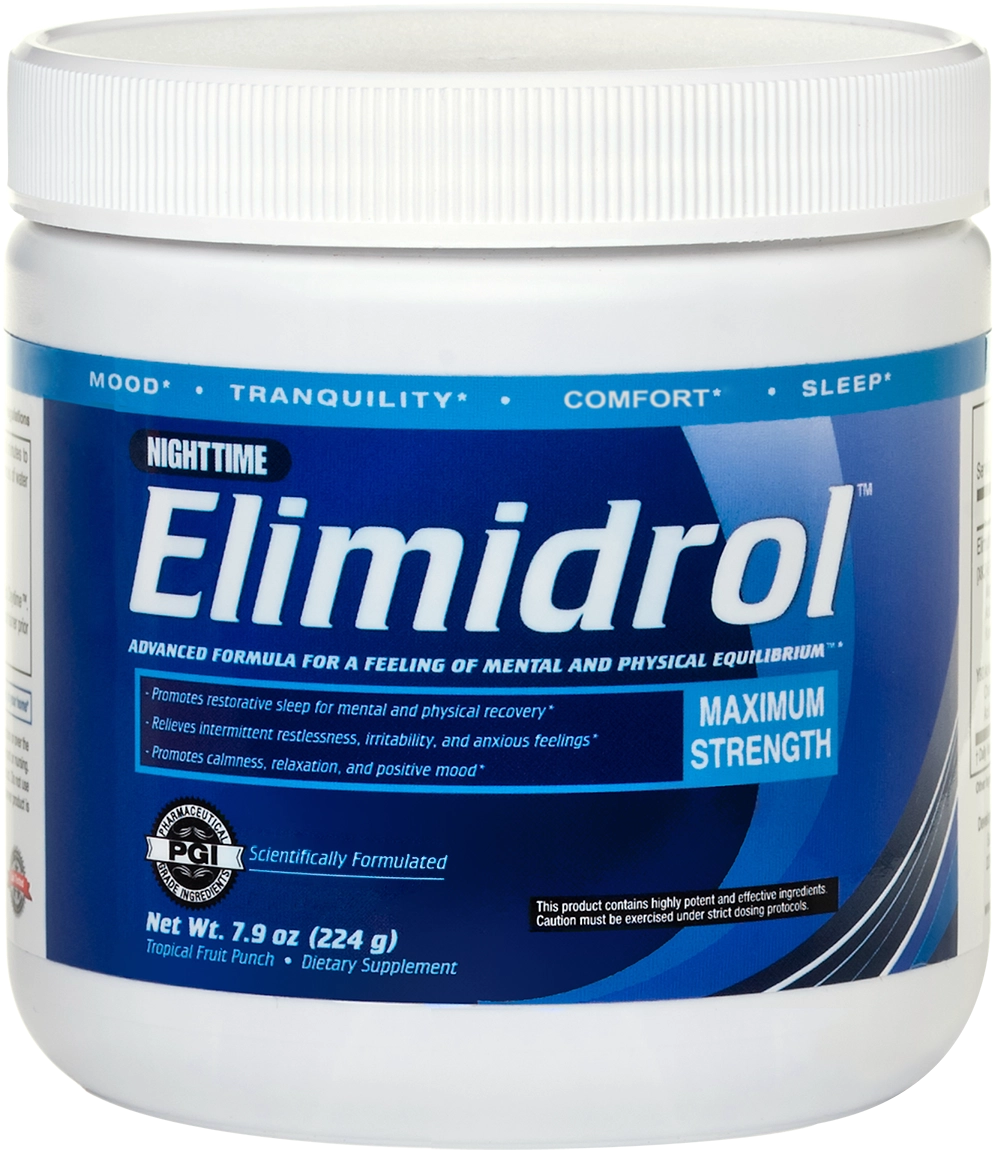
Elimidrol enhances mood and promotes mental and physical comfort, calmness and an overall sense of well-being. Our formulas also help relieve intermittent restlessness, irritability and anxious feelings.
- Elimidrol Daytime is designed for mood and comfort support during the day.
- Elimidrol Nighttime complements those goals with an emphasis on evening relaxation and restful sleep.
The formulations differ. Review the complete ingredients and Directions for each product and choose support that fits your routine. If you take medicines or have a medical condition, ask a qualified healthcare professional to help you review the ingredients.
Recognize when more support would help
Seek professional support if anxious feelings persist, feel severe, cause you to avoid activities or interfere with sleep, work, relationships or daily responsibilities. You can ask for help even if you know what is making you anxious.
For an ordinary demanding day, begin with one manageable response. A small action, a clear request or a conversation can be a useful next step.