


If you are looking for natural ways to manage intermittent anxious feelings and stress, it helps to decide what kind of support you need. A calming practice for a difficult moment, a change to your routine and an optional supplement are different choices.
Start with the situation you want to improve. That gives you a useful way to compare approaches without assuming that every natural remedy works in the same way.
Describe the moment you want to change
Try a specific description: “I feel keyed up before meetings,” “I keep working through lunch,” or “I struggle to settle after a busy evening.” A description like this is easier to act on than a broad goal of eliminating stress.
Stress often responds to an external demand. Anxious feelings can occur alongside a stressful situation or without a current threat. The NIMH guide to stress and anxiety explains the distinction and suggests practical coping habits.
Intermittent means the feelings come and go; it is not a diagnosis. If the feelings are severe, persistent, lead to avoidance or interfere with everyday life, professional support may be helpful even when you can identify a trigger.
For a tense moment, choose a practice you can use
Breathing, grounding and relaxation practices are options you can try without buying a product. Pick one you find comfortable and practice it during quieter moments as well.
- Comfortable breathing: let your breath flow gently rather than forcing a deep inhalation. Give yourself time to find a steady rhythm.
- Attention to your surroundings: notice the contact of your feet with the floor or name a few things you can see around you.
- A pause before responding: step away from a message or conversation briefly, then decide what you want to say.
For a more detailed sequence, use our guide to calming anxious feelings in the moment.
For a recurring difficulty, change the routine around it
If the same part of your day keeps becoming difficult, look at what happens before it. Missed meals, little opportunity to move or a rushed transition between responsibilities may give you a practical place to start.
Choose a change you can describe clearly: pack a lunch the night before, take a walk after a meeting or set aside time to finish work before beginning your evening. Regular movement, meals, sleep and connection are useful foundations, not a promise that you will never feel anxious.
Our guide to dealing with everyday anxiety focuses on building a sustainable routine.
Understand what herbs and nutrients can offer
Botanical products differ by ingredient, preparation and serving. A history of use can explain why people are interested in a herb, but research on a particular preparation does not automatically apply to every tea, extract or combination.
Likewise, vitamins and minerals have specific nutritional roles. Magnesium supports normal muscle and nerve function, for example. That fact alone does not establish that adding magnesium will relieve anxious feelings in someone who already gets enough. An identified nutritional need is a separate reason to consider supplementation.
If you are comparing botanicals, our herb guide provides a starting point. Review the complete ingredients and use instructions for the actual product, particularly if you take medicines or have a medical condition.
Treat aromatherapy as a preference, not a guaranteed result
Some people enjoy a familiar scent as part of a relaxing environment. It is reasonable to choose that experience if it suits you, but the evidence depends on the oil, preparation and intended effect.
NCCIH reports that lavender aromatherapy’s benefits for anxiety and stress are unclear. Findings from an oral lavender product cannot be transferred to a bath or diffuser. Use a product made for the intended route and follow its instructions; skip scents that bother you.
Where Elimidrol can fit
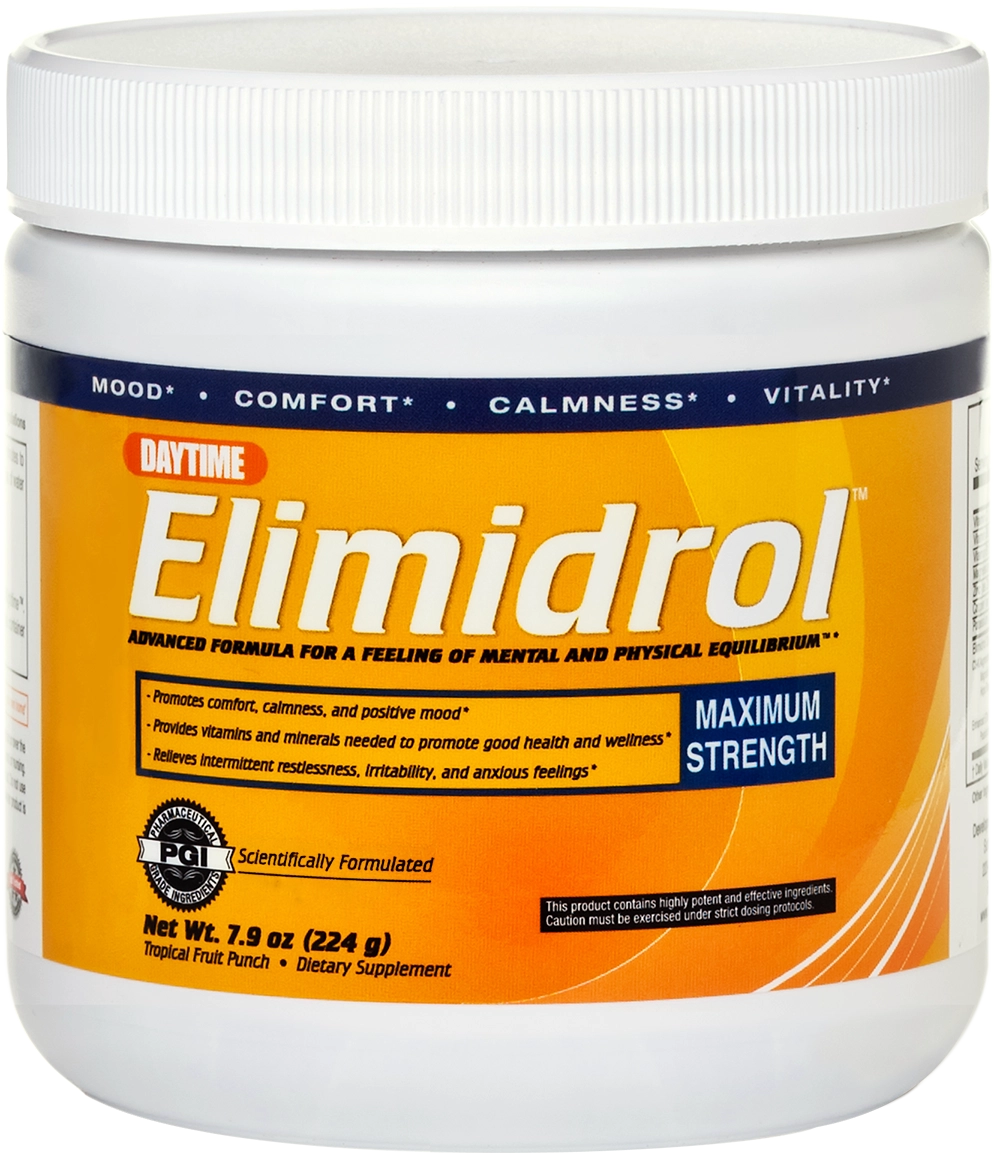
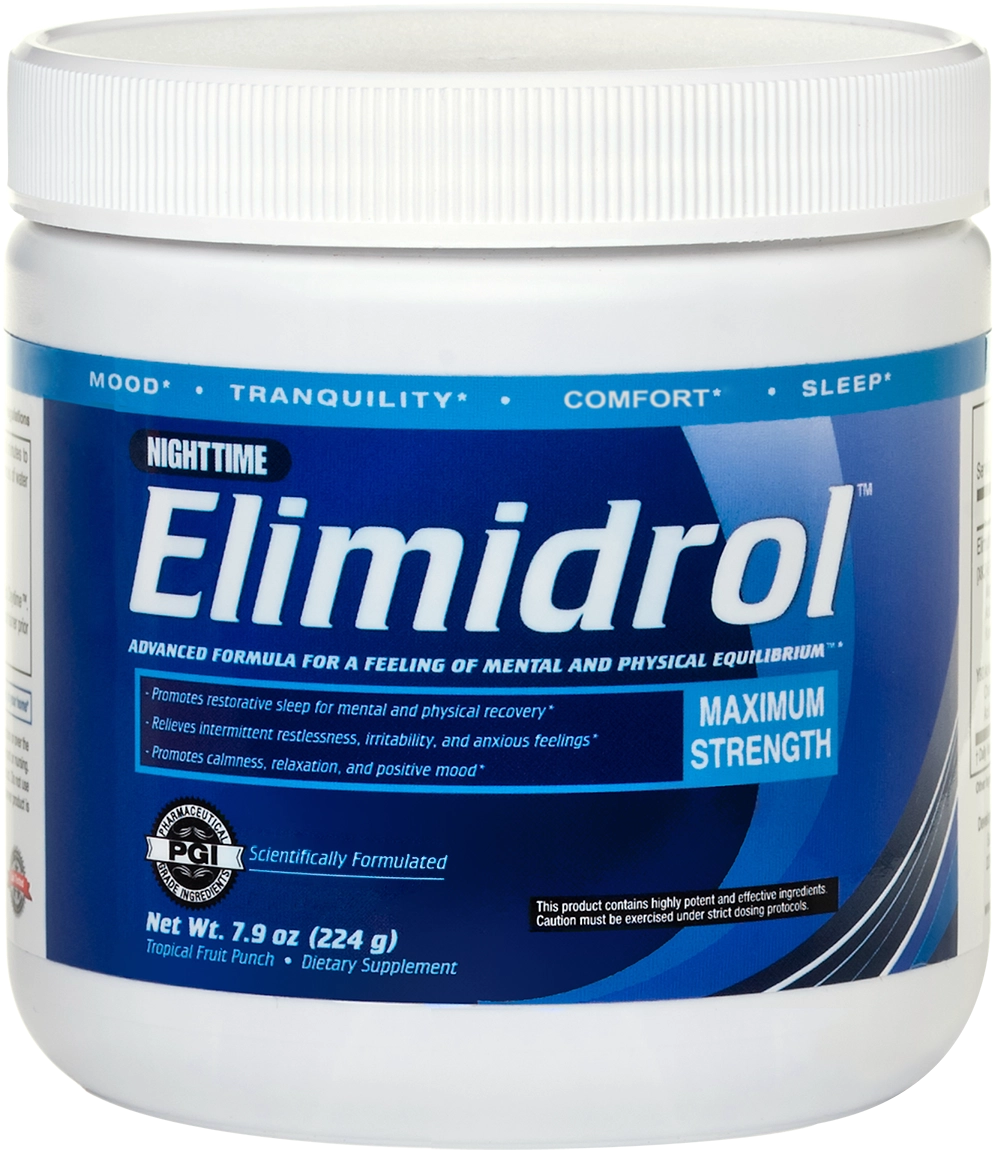
Elimidrol supports mood, mental and physical comfort, calmness and well-being, including relief from intermittent restlessness, irritability and anxious feelings.
Daytime is designed for support during the day. Nighttime emphasizes evening relaxation and restful sleep. Match the formula to your purpose and review the full ingredients and Directions on its product page. These are different formulations, not interchangeable servings.
Choose a starting point and review it
Try one manageable change first. Notice whether it is comfortable, realistic and helpful in the situation you identified. Keep what fits and adjust what does not.
If you would like a way to organize that process, our personal coping-plan guide brings the situation, response and next step together. You can also ask a qualified professional for help choosing an approach.