


A personal plan for intermittent anxious feelings does not need to be complicated. It should help you recognize a difficult moment, choose a manageable response and decide what to do next.
The goal is not to prevent every anxious thought. It is to have a few useful options available, especially when the same situations keep leaving you unsettled. The steps below turn a general intention to “manage stress better” into a plan you can actually use.
1. Name the situation without judging yourself
Choose one recent example. Write down where you were, what was happening and what you noticed. Keep the description specific rather than making a broad judgment about your personality or ability.
For example: “Before the team meeting, I noticed a tight jaw and worried that I would not explain my update clearly.” This is more useful than “I am bad at meetings.” It identifies a situation you can prepare for.
You may notice patterns over time, but not every anxious feeling has an obvious trigger. You do not need a complete explanation before choosing a helpful response.
2. Separate the thought from what you know
Write the thought that is bothering you, then ask a few practical questions:
- What do I know happened, and what am I predicting?
- Is there another reasonable explanation?
- What would I say to a friend in the same situation?
- What part of this can I influence?
A balanced response is not forced positivity. “Everything will go perfectly” may not feel believable. “I can prepare three points, take my time and ask for clarification” gives you something more realistic to work with.
This kind of reflection can be a useful self-help practice. It is not a substitute for individualized therapy when you need professional support.
3. Choose one action for the moment
Pick something small enough to use when you are already feeling tense. You might take comfortable, unforced breaths, release tension in your shoulders, step away from a distracting screen or write down the first task you need to complete.
For the meeting example, the action could be: “Before joining, I will put my three points where I can see them, settle into my chair and take a few comfortable breaths.”
Use our immediate-calming guide if you would like a simple breathing and tension-release sequence.
4. Support the situation with a routine change
Look beyond the difficult moment. Is there a recurring pressure you could reduce? A rushed morning might call for preparing something the night before. A crowded workday might call for a protected meal break or a clearer conversation about priorities.
The NIMH stress and anxiety guide includes regular meals, exercise, sleep, relaxation and connection among its coping suggestions. You do not need to turn these into a demanding checklist. Choose the one most relevant to your situation.
5. Put your plan into a short, usable format
Here is a worked example you can adapt:
- Situation: I feel anxious before giving a short work update.
- Thought: If I pause or lose my place, everyone will think I am unprepared.
- Balanced response: A pause is normal. I can use notes and return to my next point.
- Action now: Write three points, sit comfortably and breathe gently before starting.
- Routine support: Prepare the notes before the meeting rather than during the last minute.
- Check-in: Afterward, note what helped and one thing to adjust next time.
Your plan might involve a social event, a difficult conversation or a busy evening instead. The format stays simple while the action changes to fit your needs.
6. Decide whether you want additional support
Support can include a trusted person, a qualified professional or a product chosen for a clear purpose. You do not have to add every available option to make your plan worthwhile.
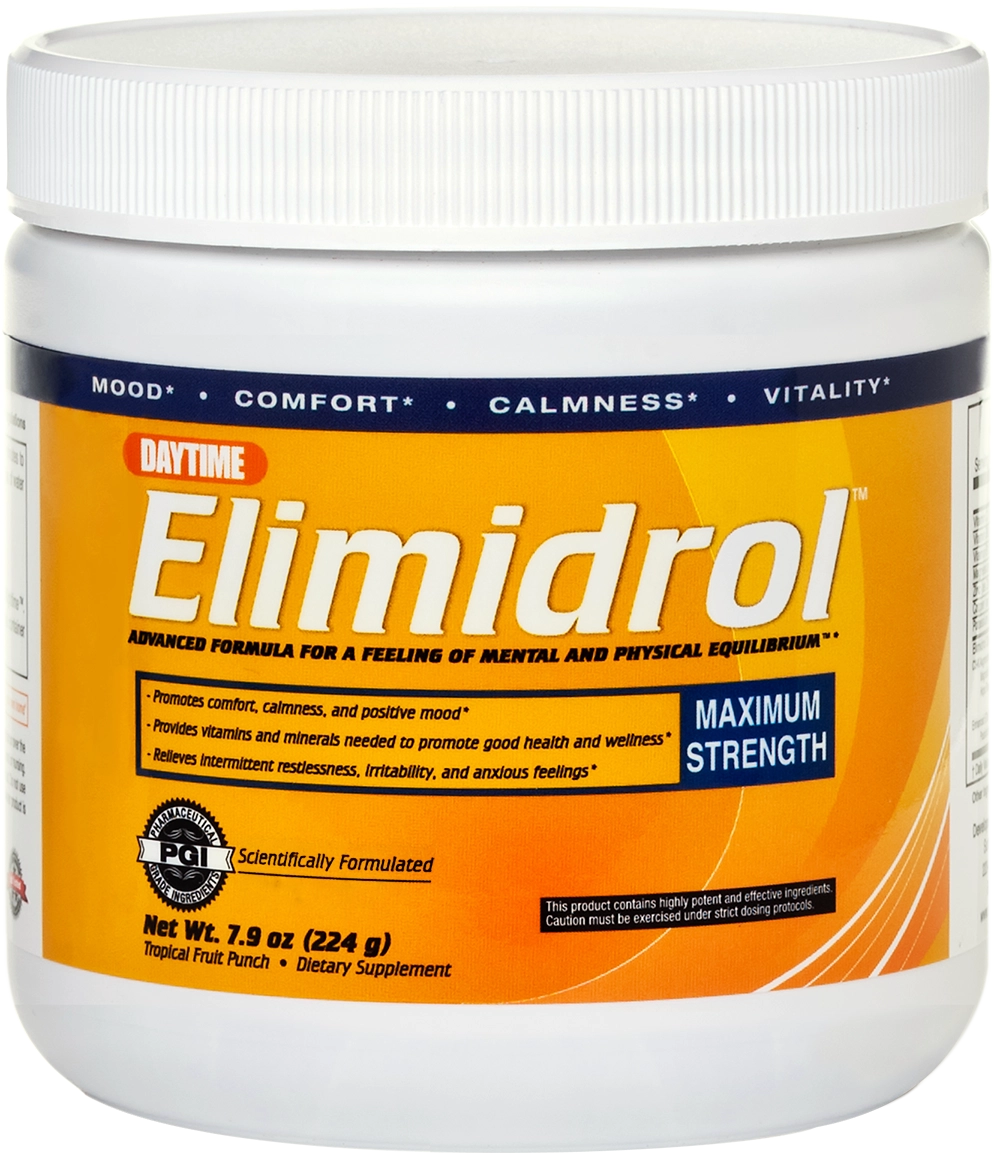
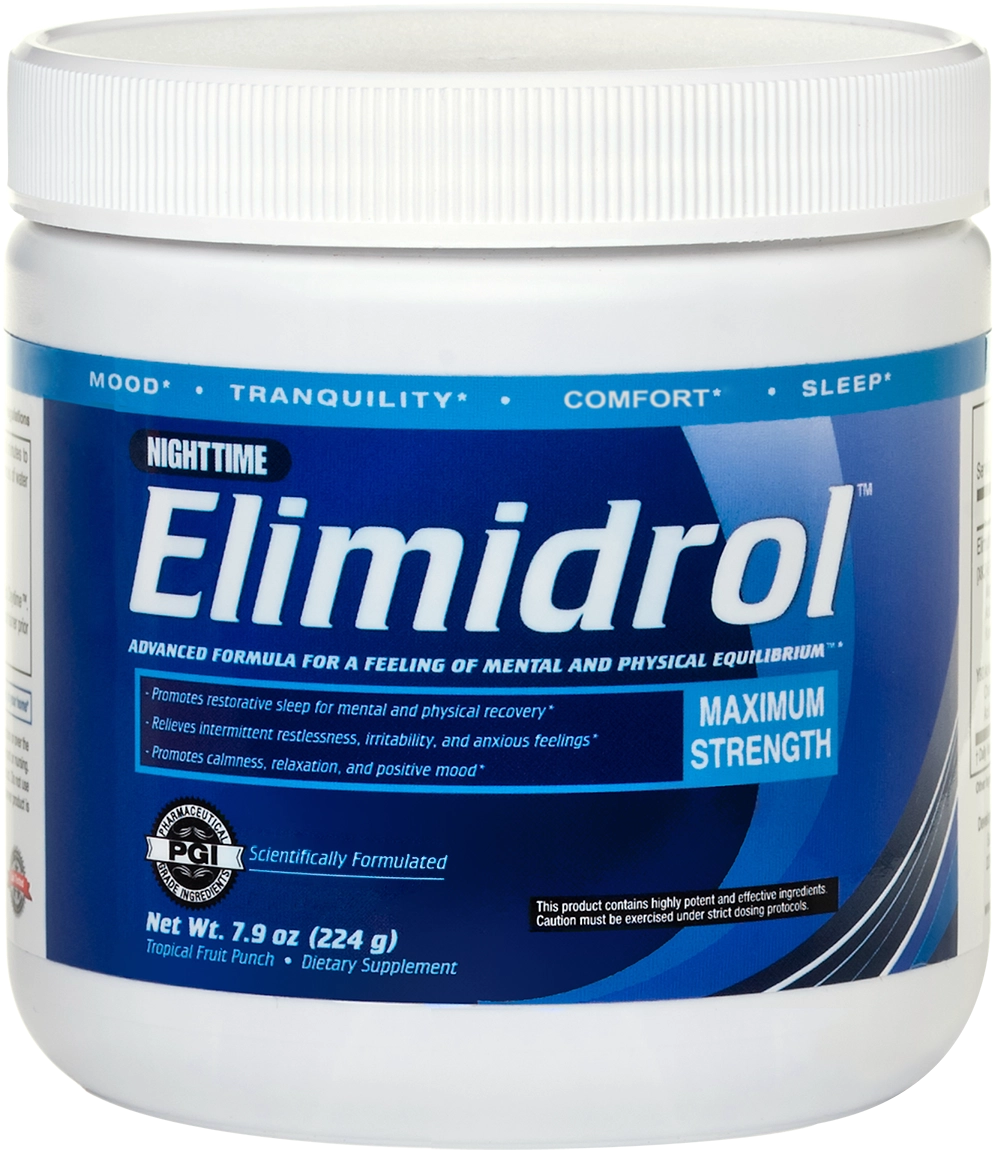
We offer Elimidrol for mood, mental and physical comfort, calmness and well-being, including relief from intermittent restlessness, irritability and anxious feelings. Daytime is designed for daytime support, while Nighttime emphasizes evening relaxation and restful sleep. Review the full ingredients and Directions for the formula you choose, and ask a qualified healthcare professional about medicines or health conditions that may affect its suitability.
Review the plan without grading yourself
Ask whether the action was manageable and whether you want to use it again. If something did not help, simplify it or try a different approach. You are looking for a useful routine, not a perfect performance.
Intermittent anxious feelings can still deserve professional attention. If they are severe, persist, cause avoidance or interfere with work, relationships, sleep or other daily activities, seek support. The NIMH anxiety information explains how anxiety disorders differ from ordinary worry and provides routes to help.