

Quick answer: calming techniques for anxious moments
Calming techniques for anxious moments can be simple: pick one gentle option and try it for one to three minutes. Choose slow breathing, a sensory grounding exercise, progressive muscle relaxation, guided imagery, or light movement. Keep the effort comfortable, return to normal breathing if you feel dizzy, and stop if a technique makes you feel worse. These practices are everyday tools, not substitutes for individualized care.
Five simple options for an anxious moment
You do not need to complete a full routine when your thoughts feel busy or your body feels tense. The most useful first step is often the one you can remember and do where you are. The National Center for Complementary and Integrative Health describes slow breathing, progressive relaxation, and guided imagery as common relaxation techniques. Research and individual responses vary, so think of the options below as a menu rather than a promise.
1. Slow, comfortable breathing
Sit or stand in a position that lets your shoulders relax. Breathe in gently through your nose, then let the exhale last a little longer than the inhale. Try three to five comfortable cycles without forcing a deep breath or holding your breath.
- Keep the pace easy enough that you could continue a conversation.
- Relax your jaw and shoulders as you exhale.
- If counting helps, try inhaling for three and exhaling for four.
- If you feel lightheaded, return to your normal breathing pattern.
2. A 5-4-3-2-1 sensory check
Grounding shifts attention toward details in the present environment. Without rushing, name:
- Five things you can see
- Four things you can feel
- Three things you can hear
- Two things you can smell
- One thing you can taste, or one slow sip of water
There is no need to find perfect answers. The point is simply to notice what is around you. If a five-step exercise feels like too much, use a shorter version: name three things you see, two things you feel, and one sound you hear.
3. Progressive muscle relaxation
Progressive muscle relaxation involves gently tensing and releasing muscle groups. Start with your hands or shoulders rather than trying to cover your whole body.
- Choose one muscle group.
- Tense it gently for about five seconds without causing pain.
- Release and notice the difference for about ten seconds.
- Repeat once, or move to another comfortable area.
Skip any injured, painful, or sensitive area. You can also leave out the tensing step and simply soften one area at a time.
4. Brief guided imagery
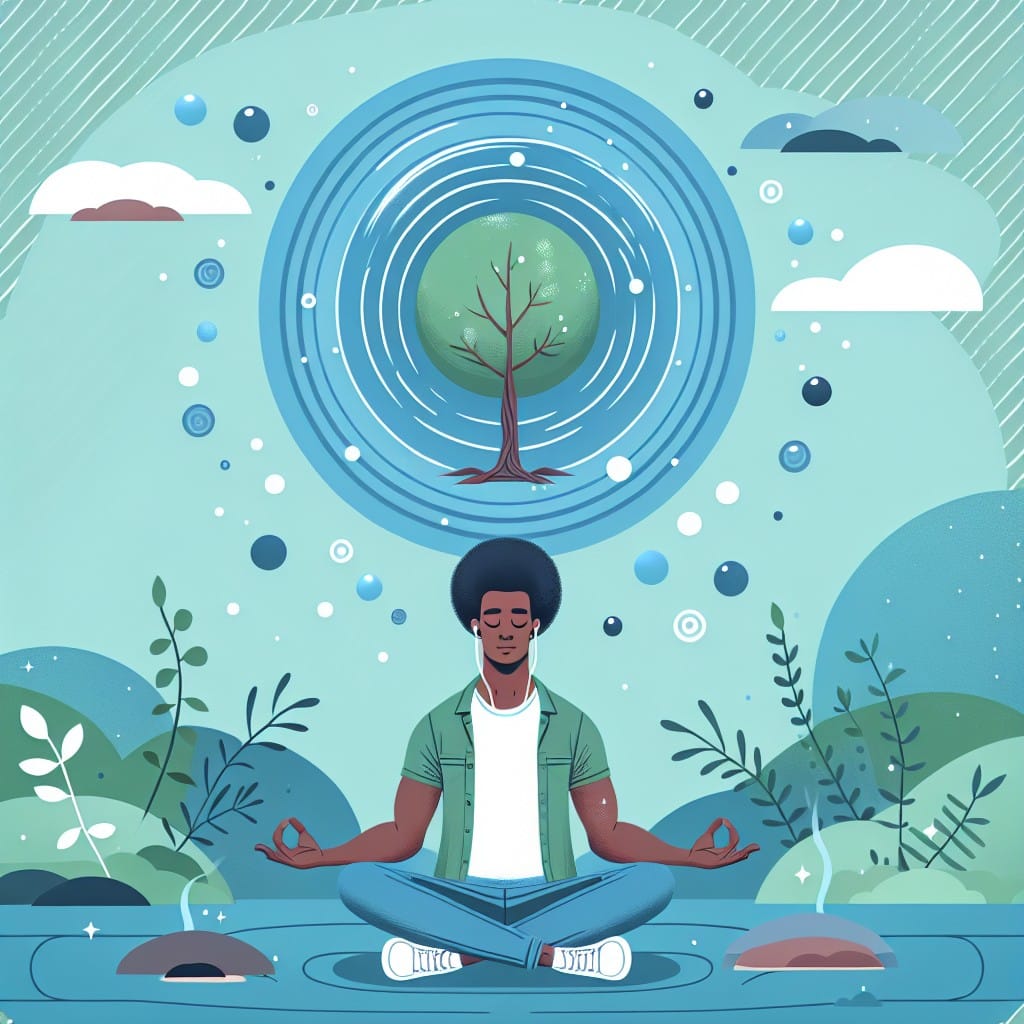
Picture a familiar place that feels quiet or steady. It might be a room, a walking path, a shoreline, or another real setting you know well. Add one detail at a time: the light, temperature, sounds, colors, or textures. Spend a minute noticing the scene, then bring your attention back to the room around you.
If closing your eyes feels uncomfortable, keep them open and focus on a calming object or photo instead.
5. Gentle movement
A small physical reset can be easier than sitting still. Try a short walk, shoulder rolls, opening and closing your hands, or standing and stretching within a comfortable range. Let the movement be slow enough that you can notice your feet, posture, and surroundings.
If you are driving or operating equipment, wait until you are safely stopped before trying any exercise that shifts your attention.
How to choose the right technique
Match the tool to what you notice, not to what you think you should do.
- Busy thoughts: Try the sensory check or guided imagery.
- Shallow or hurried breathing: Try a few slow, comfortable breaths without breath holds.
- Physical tension: Try gentle movement or one round of muscle release.
- Too much stimulation: Reduce noise, step away from a screen, or focus on one neutral object.
- A technique feels uncomfortable: Stop and choose a different option.
It can help to practice one technique during a neutral part of the day. Familiarity makes it easier to remember when you are under pressure.
Quick calming tools versus a longer routine
This page is for short, in-the-moment options. For a slower attention practice, see mindfulness techniques for everyday stress. To build repeatable habits across the day, use the daily self-care rituals guide. If poor rest is making the next day feel harder, review how sleep quality can affect emotional balance.
When extra support is appropriate
Everyday calming techniques may be useful for brief moments, but they are not a replacement for professional guidance. Speak with a qualified health professional if distress is severe, keeps returning, lasts a long time, or interferes with sleep, work, relationships, or normal daily activities. If you believe you may harm yourself or someone else, contact local emergency services or the 988 Suicide & Crisis Lifeline in the United States.
A one-minute reset to remember
- Notice your feet or another point of contact with the floor or chair.
- Take one comfortable breath with an unhurried exhale.
- Name one thing you see and one thing you hear.
- Choose one small next action, such as drinking water or stepping away from a screen.
Keep the goal modest: pause, orient, and choose the next supportive step.