

After a poor night’s sleep, everyday frustrations can feel harder to handle. You might be quicker to snap, struggle to follow a conversation or feel less able to cope with a busy day. Sleep is one part of emotional well-being, and it can influence how much capacity you have for the things that matter to you.
The connection also runs in the other direction. Worry, stress and a demanding day can make it harder to settle at night. Supporting sleep and responding to daytime strain together can help you build a steadier routine.

What sleep does for emotional well-being
Sleep supports attention, memory, learning and emotional regulation. The National Heart, Lung, and Blood Institute explains that sleep deficiency can make it harder to make decisions, manage emotions and behavior, or cope with change.
Adequate sleep helps your brain function, while insufficient or disrupted sleep can leave ordinary demands feeling more difficult. Look for changes that matter in your day, such as being able to focus, respond patiently or handle a change of plans.
Both sleep duration and quality matter. Regularly spending too little time asleep is a problem even if you fall asleep quickly. Spending enough time in bed does not rule out difficulty if you repeatedly wake or remain very sleepy during the day.
Recognize your own sleep-and-mood pattern
Instead of judging how you feel from one morning, look for a pattern over several days. The CDC suggests keeping a sleep diary with bedtimes, waking, naps, activity, drinks and medicines. You can add a brief note about your mood and the demands of the day.
For example, you might notice that late work repeatedly shortens your sleep and leaves you less patient the next afternoon. Or an unresolved concern may keep you awake even when you have protected enough time. These observations suggest different next steps.
Use a short description such as “rested and focused,” “sleepy and easily frustrated” or “worried after a difficult conversation.” This is a way to understand context, not a mood score you must improve every day.
Make the day after a difficult night more manageable
A poor night does not mean the entire day is lost. Adjust what you can while keeping your basic needs in view.
- Choose the essential next task. Break a demanding job into a smaller step if concentration is difficult.
- Keep meals and manageable movement in the day. Use familiar routines rather than expecting yourself to make every decision from scratch.
- Pause before a difficult response. If you notice impatience, take a moment before sending a message or continuing a tense conversation.
- Ask for practical support. A specific request, such as sharing an errand or finding a quieter time to talk, can be easier for someone to respond to.
- Take sleepiness seriously. Do not drive or carry out hazardous tasks when you feel too sleepy to do them safely.
Sleep is not the only influence on mood. If low mood, anxiety or irritability is persistent or substantially affects your life, seek help rather than assuming a better bedtime will address everything.
Create an evening with less unfinished business
Give demanding tasks a stopping point before the final part of your evening. If something remains unresolved, write down the next action and when you will return to it. You are not dismissing the concern; you are giving it a place outside bedtime.
Choose a quieter activity that feels comfortable, such as reading, a shower or listening to music. Reduce bright light and stimulating screen use when possible. If gentle breathing helps, let it stay easy and unforced rather than trying to achieve a particular sensation.
A consistent schedule, enough sleep opportunity and a quiet, dark, comfortably cool room provide the foundation. For a more detailed plan, see sleep-hygiene tips for a routine that fits your life.
Understand what different supplements offer
Ingredients discussed for sleep have different roles and evidence. A short overview can help you ask more useful questions.
- Melatonin: This hormone helps regulate sleep timing. NCCIH describes evidence for uses such as jet lag, while research for shift workers is inconclusive. It should not be treated as a universal answer to insomnia.
- Magnesium: It supports normal muscle and nerve function, as explained by NIH’s Office of Dietary Supplements. Meeting a nutritional need is different from showing that taking extra magnesium improves sleep. If you are concerned about your intake, review your diet and needs with a qualified professional.
- Valerian: Research on sleep benefits is inconsistent. Do not assume every product containing it will produce the same result.
- Chamomile: A caffeine-free tea can be an enjoyable wind-down ritual. Evidence for treating insomnia is limited, and a tea is not equivalent to every extract studied in research.
If you take medicines or have a health condition, review ingredients and possible interactions with a qualified healthcare professional. Avoid combining sleep-related products without checking their ingredients and directions.
Elimidrol support for the evening
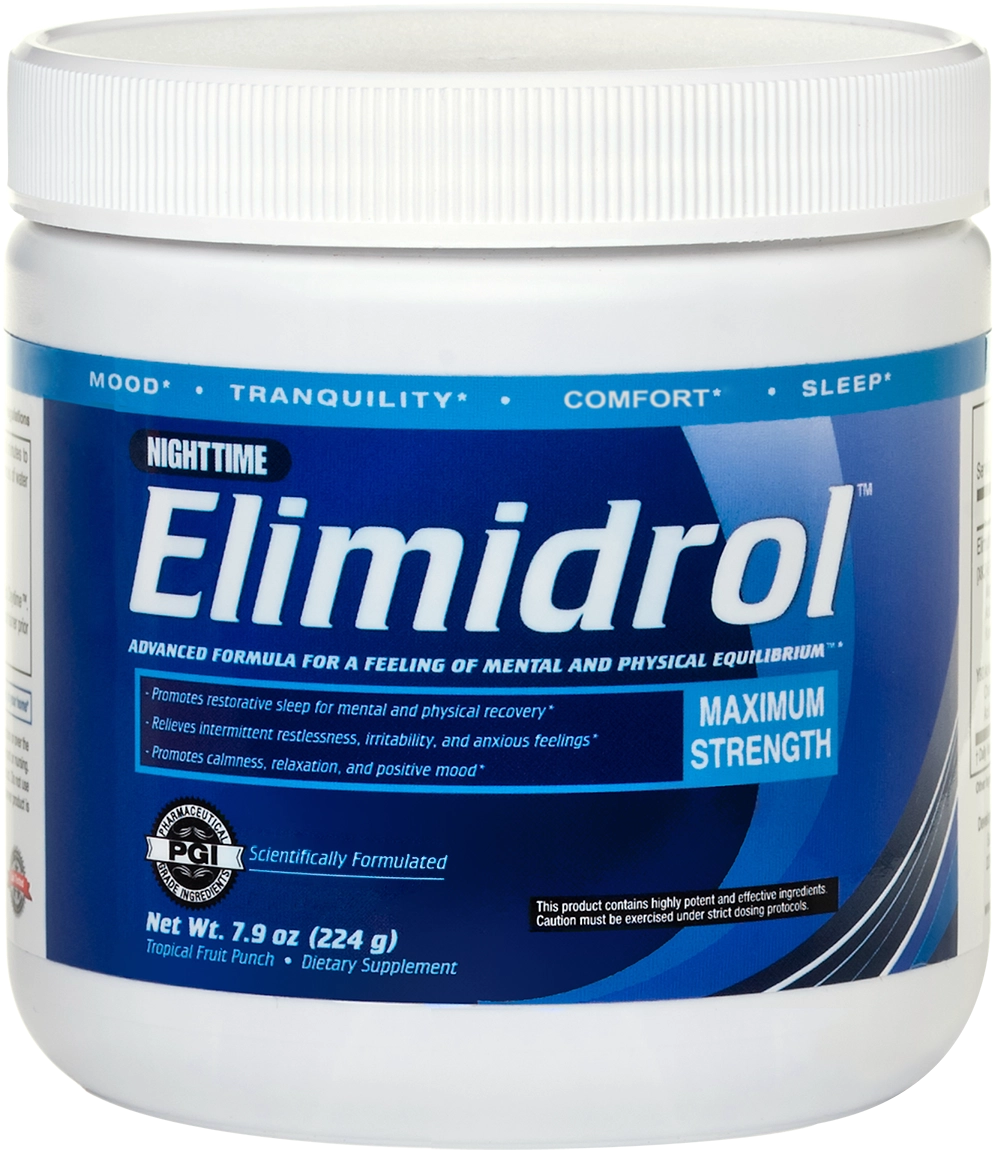
Elimidrol Nighttime is formulated for evening comfort and relaxation, mood and calmness, with an emphasis on restful sleep. It also supports relief from intermittent restlessness, irritability and anxious feelings.
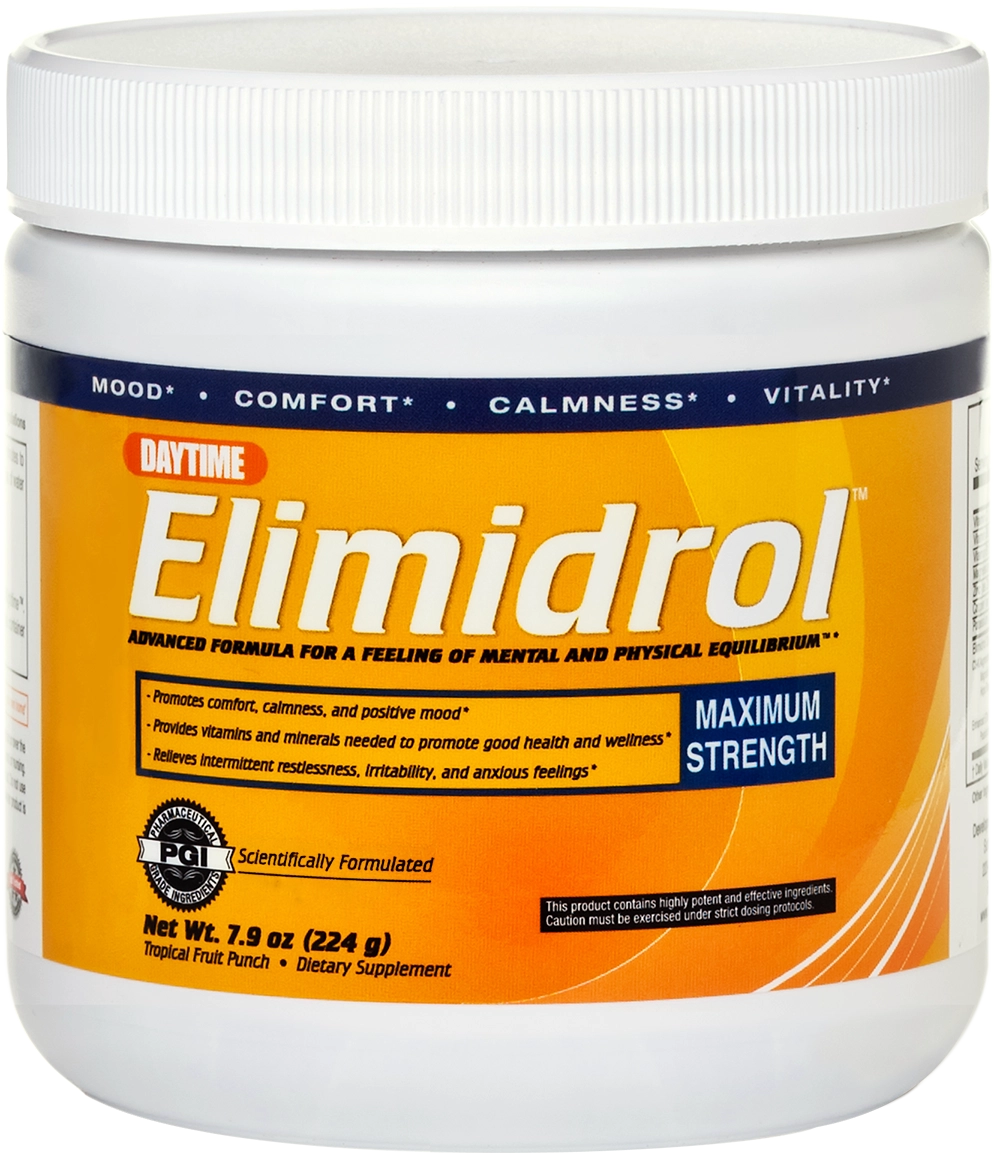
Its purpose and formulation differ from Elimidrol Daytime, which promotes mood, mental and physical comfort, calmness and overall well-being during the day. Review the current product pages for complete ingredients and Directions so you can make an informed choice. Product support fits alongside habits and appropriate care, not in place of assessment for an ongoing sleep problem.
Signs that deserve professional attention
Speak with a healthcare professional if you regularly experience:
- Difficulty falling asleep or repeated, prolonged waking that affects your daily life.
- Significant sleepiness or feeling unrefreshed despite enough opportunity to sleep.
- Loud snoring, gasping or pauses in breathing noticed during sleep.
The last group can be associated with sleep apnea and should be assessed. These signs are not a diagnosis, and poor habits are not the only possible cause.
For long-term insomnia, CBT-I is usually the first treatment recommended. Persistent mood or anxiety concerns also deserve their own attention.
Start with one useful change on each side of the sleep-and-mood connection: protect a realistic sleep period and make one daytime demand more manageable. A supportive routine can be simple, flexible and worth keeping.