


Feeling frazzled? Here’s how to evaluate mood support supplements without the hype
What this guide covers (and what it doesn’t)
Mood support supplements are often marketed as a quick fix for feeling overwhelmed. This guide takes a more grounded approach: it’s designed to help you evaluate options thoughtfully, understand what labels can (and can’t) tell you, and choose a product that fits your routine. It focuses on general wellness goals like supporting everyday stress, promoting a steadier mood, and maintaining emotional balance.* It does not replace medical care, and it isn’t intended to help you self-diagnose or manage a medical condition.
Here’s what you’ll learn in this section:
- How mood support supplements may help with everyday stress and maintaining emotional balance*
- What to look for on a Supplement Facts label (and what marketing claims to ignore)
- How to choose between daytime support vs evening wind-down support
- Practical safety and “who should ask a clinician first” checkpoints
First, set realistic expectations. Supplements are generally used as part of a broader routine—think sleep habits, nutrition, movement, and stress-management skills. If a product implies instant, dramatic, or guaranteed results, that’s a sign to be cautious.
Next, move from the front label to the Supplement Facts panel. This is where you’ll typically find the most useful details for comparison. In general, prioritize the panel over promotional language, and be wary of vague “miracle” wording that doesn’t clearly connect to what’s listed in Supplement Facts.
When choosing between daytime and evening support, start with your goal and your sensitivity to drowsiness. Some people prefer daytime options that fit into work and social schedules, while others look for an evening “wind-down” approach that supports relaxation as part of a bedtime routine. If you need to stay alert, consider avoiding anything that might make you feel overly calm or sleepy during the day. For evenings, consider whether a gentler routine-based approach aligns with your needs.
Finally, use a quick safety checkpoint before trying anything new. A clinician can help you decide what’s appropriate if you:
- Are pregnant or nursing
- Take prescription or over-the-counter medications
- Have ongoing health concerns
- Are sensitive to stimulants or ingredients that may cause drowsiness
If you notice unwanted effects or your stress feels persistent or overwhelming, stop use and seek professional guidance. Thoughtful selection—and realistic expectations—can help you approach mood support supplements with clarity instead of hype.*
Quick answer: what to look for in mood support supplements
When you’re comparing mood support supplements, it helps to start with a simple framework: your goal, the label, the ingredient “jobs,” directions you can realistically follow, and whether the product fits your personal safety considerations. Using these checkpoints can make it easier to narrow options without relying on hype or vague marketing language.
- A clear goal: Decide what “support” means for you before you buy. Some formulas are positioned for daytime calm and focus support, while others are geared toward evening relaxation support. Picking a supplement that matches your intended timing can help you choose ingredients and directions that fit your routine.
- Transparent labeling: Look for a complete Supplement Facts panel that clearly lists serving size and all ingredients. Transparent labeling makes it easier to compare products, understand what you’re taking, and avoid ingredients you personally prefer to limit.
- Ingredient roles that match your need: Many mood support products use a mix of ingredient categories. Depending on your goal, you may see: The key is alignment: the ingredient types should match whether you want steady daytime support or a more wind-down-focused approach in the evening.
- Directions you can follow: Check that the label provides clear how-to guidance—how to take it, suggested timing, and the maximum daily amount. If the directions are confusing or incomplete, it can be harder to use the product consistently and responsibly.
- Safety fit: Read cautions carefully, especially if you are pregnant or nursing, take medications, or have questions about ingredient interactions. When in doubt, it’s smart to consult a healthcare professional to confirm a supplement is appropriate for you.
By focusing on these basics, you can evaluate mood support supplements more confidently and choose an option that fits your lifestyle, preferences, and comfort level.
Understanding “mood support” vs “stress management” (in supplement language)
On supplement labels and product pages, phrases like “mood support” and “stress management” are often used as broad, consumer-friendly ways to describe potential benefits. While they can overlap, they typically point to slightly different goals. Understanding how these terms are commonly used can help you set realistic expectations, compare options more confidently, and spot language that’s more marketing than meaning.
What “mood support” typically means
In supplement language, “mood support” usually refers to supporting emotional balance and resilience during everyday stressors. The emphasis is on how you feel emotionally over time—such as feeling more steady, calm, or centered—without implying a guaranteed outcome or a medical effect.
- Supporting emotional balance and resilience during everyday stressors*
- Helping you feel more steady, calm, or centered (without guaranteeing outcomes)*
Because “mood” is personal and can vary day to day, compliant descriptions tend to stay general. A supplement may be framed as one part of a broader routine that includes basics like sleep, nutrition, movement, and healthy coping habits.
What “stress management” can mean in practice
“Stress management” often focuses on your day-to-day response to tension and how you unwind. In practice, this may mean supporting a calmer response to typical pressures—like busy schedules or mental load—and supporting relaxation routines and wind-down habits, especially when you’re trying to shift from “on” mode to rest mode.
- Supporting a calmer response to day-to-day tension*
- Supporting relaxation routines and wind-down habits*
Many people interpret “stress management” support as something that fits into a routine—such as pairing it with breathing exercises, a screen-free wind-down, or other relaxation practices.
What compliant claims look like (and red flags to avoid)
Responsible supplement messaging uses cautious, structure/function wording. It describes what the product may support rather than promising an outcome.
- Prefer: “may support calm,” “can help support relaxation,” “supports mood.”
- Avoid: guaranteed results, “works for everyone,” or disease-related promises.
If you’re unsure whether a supplement is appropriate for you—especially if you’re pregnant/nursing, have a medical condition, or take medications—consider checking with a qualified healthcare professional before use.
Start with your goal: daytime support vs nighttime wind-down
When you’re comparing mood support supplements, it helps to begin with a simple question: what part of your day needs the most support? Some options are designed to fit into a busy schedule by supporting a calm, steady mindset, while others are better suited to an evening routine where the goal is to relax and transition out of “go mode.” Clarifying your goal can make label-reading easier and may help you avoid combining multiple overlapping formulas.
Signs you may prefer daytime mood support supplements
Daytime mood support is typically about maintaining composure and mental steadiness while you’re working, commuting, or handling daily responsibilities. If you want a supplement that fits into active hours, you may be looking for support that feels subtle and functional, rather than something that makes you want to lie down.
- You want support staying composed during a busy day*
- You’re looking for calm + clarity support rather than sedation*
In practice, many people pair daytime support with foundational habits such as regular meals, hydration, short breaks, and realistic task planning. Supplements are generally best viewed as one part of a broader routine rather than a replacement for lifestyle strategies.
Signs you may prefer nighttime mood support supplements
Nighttime mood support is often more routine-based: the goal is to support relaxation and create a smoother transition from stimulation to rest. If your evenings feel “wired,” or you’re trying to make your wind-down more consistent, a nighttime-focused approach may be a better match.
- You want help supporting relaxation as part of an evening routine*
- You’re focusing on winding down after a high-stimulation day*
For best results, consider using the supplement alongside a predictable wind-down routine (for example: dimming lights, limiting late-night scrolling, and choosing calming activities). Keep expectations realistic—effects can be individual, and more isn’t always better.
How to choose if you want both
If you want support during the day and at night, focus on clarity and simplicity. Using timing-specific routines can be easier to evaluate than combining several similar products at once.
- Use timing-specific products/routines rather than stacking many overlapping formulas
- Track how you feel and simplify if you can’t tell what’s helping
If you’re pregnant or nursing, have a medical condition, or take medications, check with a healthcare professional before starting any supplement. This is especially important if you’re combining products, since overlapping formulas can make it harder to understand what’s helping and what may not be a fit.
Ingredient categories to know (and why they’re used)
When you compare relaxation or mood-support supplements, it helps to group ingredients by what they’re generally used for. These categories can make labels easier to evaluate and can guide better questions to ask before you buy—especially when you’re trying to support a calm, steady baseline during busy or demanding seasons.
Calming botanicals for relaxation support*
Calming botanicals are plant-based ingredients commonly used to help support a relaxed state and ease feelings of tension tied to everyday stress.* They’re often included in products positioned for winding down after a long day or supporting a more settled mindset.
What to look for on the label:
- Full plant part listed (such as root, flower, or leaf), since different parts can have different traditional uses.
- Extract details when provided, which may help you understand how the ingredient was concentrated or prepared.
Adaptogen-style herbs for resilience support*
Adaptogen-style herbs are often used in formulas designed to support resilience—meaning they may support the body’s response to stress and help sustain steady energy or mood throughout the day.* Some people prefer these in daytime routines rather than only at night, depending on their goals and how they personally respond.
What to look for on the label:
- Standardized extracts (when applicable), which can indicate more consistent levels of certain naturally occurring compounds.
- Clear serving information, so you can understand how the product is intended to fit into daily use.
Amino acids and neurotransmitter-related nutrients (general education)
Some supplements include amino acids and related nutrients because they are commonly used to support pathways involved in mood, relaxation, and mental balance.* Since labeling can be vague in this category, transparency matters.
What to look for on the label:
- Clear naming of each ingredient rather than a “proprietary amino complex” that doesn’t specify what’s included.
- Easy-to-read Supplement Facts that lets you identify exactly what you’re taking.
Vitamins and minerals that can support daily wellness*
Vitamins and minerals are often included to support normal nervous system function and overall wellness as part of a daily routine.* They may be used alongside botanicals or amino acids to create a more well-rounded wellness approach.
What to look for on the label:
- Specific forms listed (rather than only the nutrient name), which can help you compare options.
- Sensible daily-use positioning, especially if you plan to take the product regularly.
If you’re pregnant or nursing, have a medical condition, or take medications, it’s wise to check with a qualified healthcare professional before using new supplements—particularly when combining multiple calming or stress-support ingredients.
How to read a Supplement Facts label like a pro
A Supplement Facts label is your quickest way to understand what you’re actually getting in a product—and whether it fits your routine and preferences. Taking a few minutes to scan the label can make it easier to compare options, use a supplement consistently, and avoid surprises from extra ingredients. Use the steps below as a simple checklist when evaluating any supplement.
Step 1: Verify serving size and servings per container
Start with the serving size and the number of servings per container. This tells you what the manufacturer considers “one serving” (for example, one scoop, two capsules, or a specific amount of liquid) and how long the container may last at that serving.
- Know what one serving is before comparing products: Two products can look similar at a glance, but a “serving” might be different between them, making comparisons misleading unless you normalize by serving size.
- Plan for consistency: A supplement can only support your goals if you take it regularly. Choose a serving format and container size that realistically fits your day-to-day routine.
Step 2: Identify blends vs fully disclosed amounts
Next, look at how ingredients are listed. Some formulas use proprietary blends, while others fully disclose each ingredient amount.
- Proprietary blends: These list a blend name and the total blend weight, but they don’t show the amount of each ingredient inside the blend. This can make it harder to know how much you’re getting of any single component.
- Fully disclosed formulas: These list each ingredient with its individual amount. This is often easier when you’re making a targeted selection or want to compare similar products more precisely.
Step 3: Check additional ingredients (flavors, sweeteners, colors)
In addition to active ingredients, most labels include “other” or “additional” ingredients, such as flavors, sweeteners, and colors. These don’t necessarily determine whether a supplement is right or wrong—but they can matter for comfort, taste, and personal preferences.
- Note sensitivities and preferences: If you’re sensitive to certain dyes, sweeteners, or flavoring agents—or simply prefer to avoid them—this section helps you quickly narrow your choices.
Step 4: Look for directions, timing, and maximum daily intake
Finally, review the directions for use. Clear guidance supports consistent use and helps you avoid taking more than intended. Look for any notes about timing (such as with food) and whether a maximum daily amount is specified.
- Clear directions support safe, consistent use: Straightforward instructions reduce guesswork and make it easier to build a routine.
- Avoid vague “take as much as you want” guidance: Labels should provide responsible direction. If anything is unclear, consider asking a healthcare professional for personalized guidance, especially if you’re pregnant or nursing, take medications, or manage ongoing health concerns.
Practical “fit checks” before you buy mood support supplements
Mood support supplements can be appealing when you want a little extra help staying steady through everyday stress. Before adding anything new, it helps to do a few quick “fit checks” so your approach stays simple, safe, and easier to evaluate. These steps can also reduce the chances of buying something that doesn’t match your needs, schedule, or sensitivities.
Check your current routine first (so you don’t overcomplicate)
Many people notice that foundational habits have an outsized impact on how they feel day to day. A brief routine review can clarify whether a supplement is truly needed now, or whether small adjustments might provide similar support.
- Caffeine and alcohol patterns: Note your timing and total intake. Late-day caffeine or frequent alcohol can make it harder to feel even-keeled or to wind down at night, which may be mistaken for a “mood support” problem.
- Meal timing and hydration: Irregular meals and low fluid intake can leave you feeling off, tense, or more reactive. Consider whether long gaps between meals or inconsistent hydration line up with your tougher days.
- Movement, daylight exposure, and decompression time: A short daily walk, some daylight earlier in the day, and a planned “transition” period after work (even 10 minutes) can support a calmer baseline before you add new variables.
Medication and supplement interactions: when to ask a healthcare professional
Because supplements can affect the body in different ways, it’s smart to check in with a healthcare professional when there’s a higher chance of interactions or unexpected reactions. This is especially important if you:
- Take any prescription medications or multiple supplements: Combining products can increase the complexity of your regimen and make it harder to pinpoint what’s helping—or causing side effects.
- Are pregnant, trying to conceive, or nursing: This is a time when professional guidance is particularly important before starting any new supplement.
- Have a history of sensitivity to botanicals or new supplements: If you’ve reacted strongly in the past, a clinician can help you weigh risk and choose a more cautious plan.
How to trial a supplement thoughtfully
If you decide to try a mood support supplement, treat it like a small personal experiment. The goal is to learn what works for your body and routine without stacking too many changes at once.
- Start low and go slow (follow label directions): Use the product only as directed on the label and avoid “doubling up” in hopes of faster results.
- Change one variable at a time: Introduce only one new supplement (or one new habit) so you can tell what’s actually making a difference.
- Track outcomes that matter: Use simple notes for a week or two, such as daytime steadiness, irritability, tension level, and how easily you can wind down in the evening.
*Tip: Keep tracking practical and consistent—such as a quick daily rating scale or a brief end-of-day journal line—so you can spot patterns without overthinking.
Example framework: evaluating a two-formula approach (day vs night) using label clues
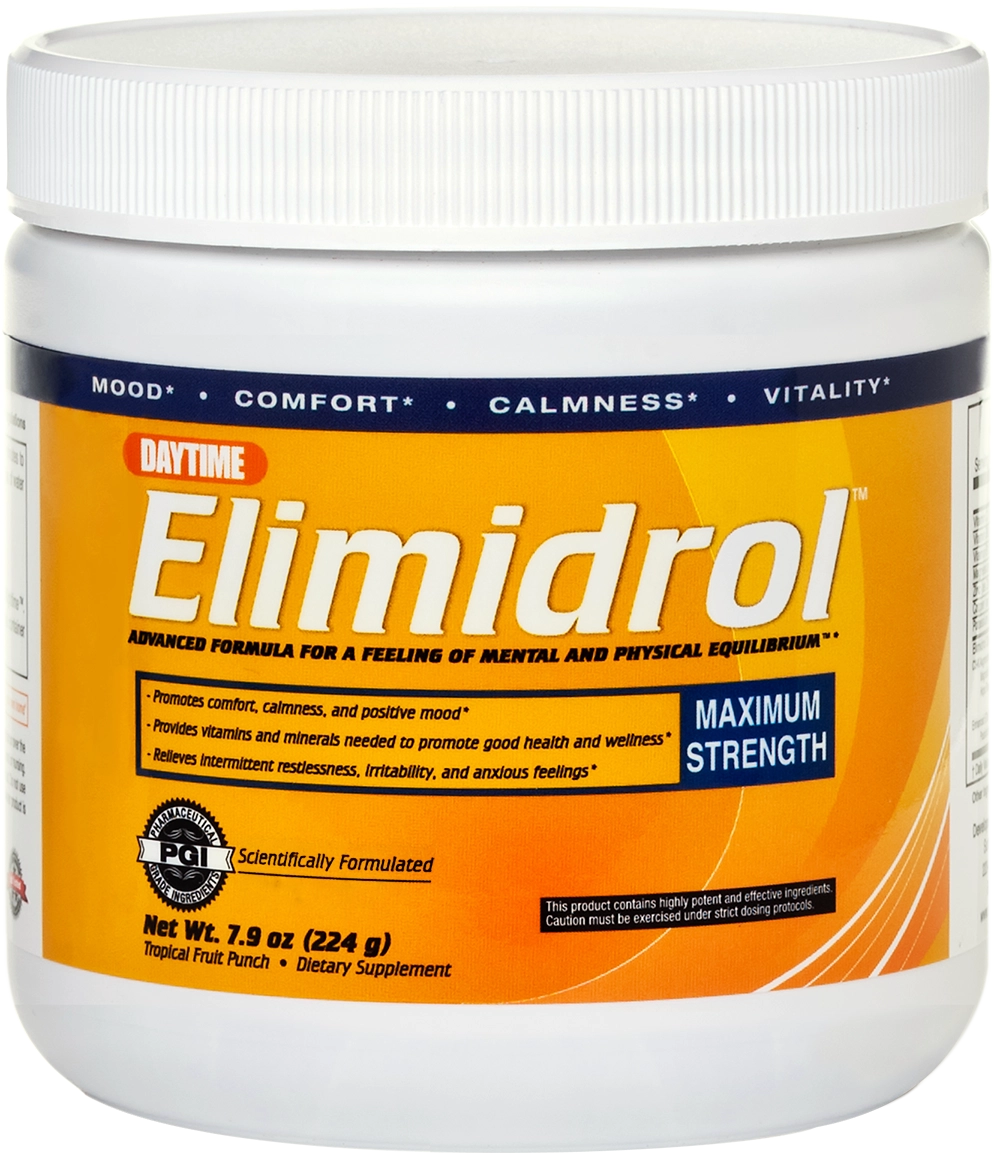
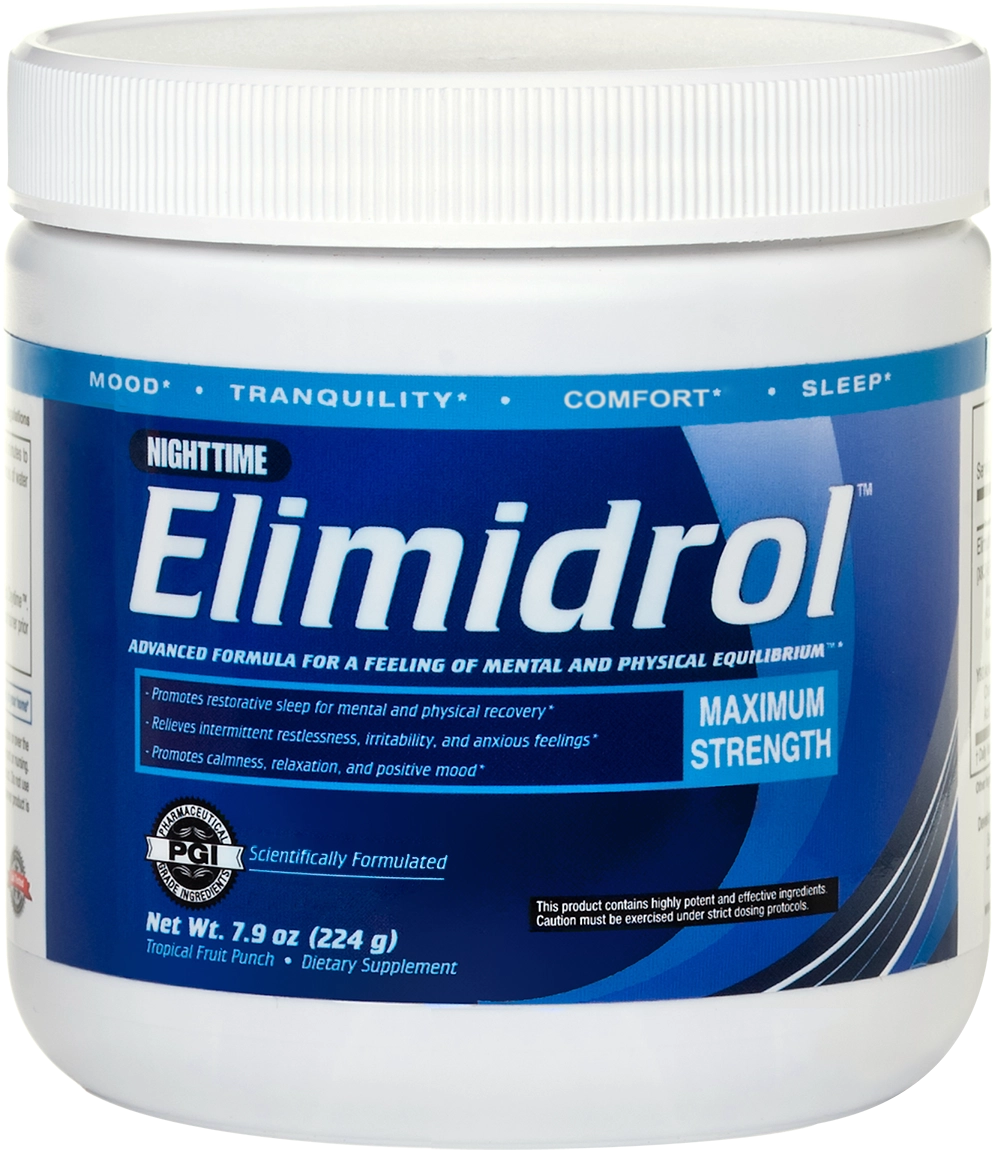
If you’re comparing supplements that come in a “day” and “night” pair, the most useful information is usually on the Supplement Facts panel and directions. The goal isn’t to find a “miracle” solution, but to see whether the formulas and instructions logically match how you plan to use them: daytime composure and focus support versus evening wind-down and bedtime routine support.
What a daytime formula may prioritize*
A daytime product is typically positioned around helping you stay steady and productive without feeling slowed down. When you read the label, look for how the ingredients are framed and how the directions encourage responsible daytime use. A thoughtful label often makes it easier to start low, assess tolerance, and build a consistent routine.
- Ingredients positioned for daytime composure and steady focus support*
- Directions that support daytime use and tolerance assessment
Practical tip: check whether the directions suggest taking it with food or at specific times (for example, earlier in the day). If you’re sensitive to certain ingredients or routinely drive or operate machinery, it’s especially important to follow timing guidance and consider discussing use with a healthcare professional.
What a nighttime formula may prioritize*
A nighttime product is generally positioned to support relaxation and a smoother transition into an evening routine. Label clues can include not only the ingredient positioning, but also how clearly the directions help you align the supplement with your schedule.
- Ingredients positioned for relaxation and bedtime routine support*
- Clear timing guidance so you can align with your evening schedule
Practical tip: look for instructions that specify when to take it relative to your intended bedtime. Clear guidance helps you avoid taking a nighttime formula too late (or too early) for your personal routine.
How to compare formulas without getting stuck on hype
Marketing language can be vague, so anchor your comparison in specifics you can verify on the label. A simple, repeatable checklist can help you stay objective:
- Do the ingredients and directions match the use case?
- Is the label transparent about serving size and total blend amounts?
- Are there extra ingredients you personally want to avoid?
Finally, consider your own needs and sensitivities (including any medications or existing health considerations). When in doubt, bring the labels to a qualified healthcare professional so you can make a choice that fits your routine and comfort level.
Safety essentials for mood support supplements
Mood support supplements are often used as part of a broader wellness routine to help support emotional balance during everyday stress. Even when a product is marketed for general wellness, it’s still important to approach supplementation thoughtfully. Your body, lifestyle, and health history all influence how you may respond, and “more” is not always better. Keeping safety front-and-center can help you make informed, sustainable choices.
General safety reminders
Before starting (or changing) a mood support supplement routine, consider getting guidance from a qualified healthcare professional. This is especially helpful if you’re unsure whether a supplement is a good fit for your goals, how to time it in your day, or whether it makes sense to combine multiple products at once.
- Consult a healthcare professional if you have questions about fit, timing, or combining products—particularly if you have existing health considerations or take any medications.
- Use extra caution during pregnancy or nursing. This is a period when many ingredients should be discussed with a clinician before use, even if they’re commonly found in wellness products.
- Be mindful of potential medication interactions. Supplements can interact with prescriptions and over-the-counter products, and those interactions aren’t always obvious. If you take medication, it’s a good idea to review your full routine with a pharmacist or healthcare provider.
As a practical habit, introduce only one new supplement at a time. This can make it easier to notice how you feel and to identify what may be contributing to any changes, positive or negative.
When to stop and reassess
Your day-to-day experience matters. If a new supplement doesn’t feel like a good match, it’s reasonable to pause and reassess your approach rather than pushing through discomfort.
- If you experience unwanted side effects or feel “off” after starting, stop using the product and consider checking in with a healthcare professional—especially if symptoms are persistent or concerning.
- If the routine becomes overly complex or hard to follow, simplify. A consistent, manageable plan is often more supportive than a complicated stack you can’t maintain.
Ultimately, mood support supplements may be one tool among many. Prioritizing safety, simplicity, and professional guidance can help you build a routine that aligns with your needs and comfort level.
FAQ: mood support supplements and stress management
What are mood support supplements?
Mood support supplements are dietary supplements formulated to help support emotional balance, calm, and resilience during everyday stressors. They are typically marketed using structure/function language such as “may support mood,” rather than making medical claims.* In practice, these products are often positioned as part of a broader routine that includes healthy sleep habits, daily movement, and other stress-management strategies.
How long does it take to notice changes?
Timing can vary widely by person and product. Many people choose to evaluate their experience over days to a few weeks while keeping other routine factors as consistent as possible (for example, sleep schedule, caffeine intake, and workload). This approach can make it easier to notice patterns without assuming a guaranteed result. If you don’t notice the type of support you were hoping for, consider adjusting one variable at a time rather than changing multiple products or habits at once.
Should I choose a blend or a fully disclosed formula?
Some formulas use blends, which can be convenient for people who prefer a simpler option. However, fully disclosed formulas can be easier for targeted selection and for avoiding overlaps with other supplements you may already take. When comparing options, it can help to consider how much detail you want about what you’re taking and how comfortable you are combining products.
Can I take a daytime and nighttime mood support supplement together?
Some people separate products by time of day as part of a routine (for example, one product during the day and another as part of a wind-down). The key is to avoid stacking multiple formulas with overlapping ingredients and to follow label directions. If you’re unsure how to combine products, check labels carefully and consider asking a healthcare professional for individualized guidance.
What should I avoid if I’m sensitive to supplements?
If you tend to be sensitive, a cautious, minimalist approach may be helpful. Consider:
- Starting with a simpler formula rather than multiple products at once
- Reviewing non-active ingredients such as sweeteners, flavors, and colors
- Trialing one change at a time so you can better understand what affects you
If you experience unexpected effects, stop use and consult a healthcare professional.
What’s the best way to take mood support supplements?
In most cases, the best approach is the simplest one: follow label directions, keep timing consistent, and use a basic tracking method (like a notes app or journal) to observe patterns in your stress response and wind-down quality.* Tracking can be as simple as noting your routine and a few daily observations, which may help you decide whether a product fits your goals and lifestyle.
Next steps: build a simple mood-and-stress support plan you can stick with
When you’re exploring options for everyday mood and stress support, simplicity is often what makes a plan sustainable. The goal is to choose a clear focus, try one approach consistently, and evaluate what you notice over time—without adding so many variables that it’s hard to tell what’s helping.
Step 1: Pick your primary goal
Start by deciding what you want the most support with right now. A single primary goal makes it easier to choose a routine and stay consistent long enough to evaluate it.
- Daytime composure support* for moments when you want to feel more steady and centered during your normal schedule.
- Evening relaxation/wind-down support* for a calmer transition into your night routine and a more settled end of day.
*These statements are general wellness goals and are not intended to diagnose, treat, cure, or prevent any disease.
Step 2: Choose one product type and trial it consistently
Once you’ve chosen your goal, pick one product type to try rather than stacking multiple new options at once. Consistency matters: using a product sporadically can make it harder to understand your personal response.
- Follow serving directions and timing exactly as shown on the label, including any guidance on when to take it.
- Give it a fair, consistent evaluation window by using it regularly as directed and keeping other routine changes minimal during your trial.
Step 3: Track your results and adjust thoughtfully
A simple tracking habit can help you spot patterns and keep expectations realistic. Consider noting your daily stress level, mood steadiness, and how your evenings feel (for example, how easy it is to “downshift” at night). If your plan starts to feel complicated, that’s usually a sign to simplify.
- Keep what helps; remove what adds complexity so your routine stays easy to follow.
- If you’re on medications, pregnant/nursing, or unsure about interactions, consult a healthcare professional before starting or changing any supplement routine.
Step 4: Re-check the label before reordering
Before you repurchase, take a moment to review the label again. Even when a product name stays the same, the formula or directions can change over time. Confirm the details each time so your routine stays consistent and aligned with your goal.
- Formulas and directions can change—confirm serving size, ingredient list, and usage guidance each time.