

Herbs and minerals can support well-being in different ways. Minerals are essential nutrients with defined roles in the body. Herbs are plants used in foods, teas and supplements, often for purposes such as relaxation or digestive comfort. Understanding the difference makes it easier to choose the kind of support you want.

“Mental and physical equilibrium” is a broad way of describing how you feel and function. It is not a single biological measurement. In everyday terms, you might be looking for calmness during a busy day, physical comfort or an easier transition into the evening.
Minerals: a foundation for normal body function
Magnesium
Magnesium contributes to normal muscle and nerve function, among other essential processes. Beans, nuts, seeds, whole grains and leafy green vegetables are useful sources. A varied eating pattern can provide magnesium along with other nutrients.
Low intake is not the same as a diagnosed deficiency. If you are concerned about your intake, the NIH magnesium guide is a helpful starting point, and a qualified professional can assess whether supplementation is appropriate.
Calcium
Calcium is well known for its role in bones and teeth, but it also contributes to normal muscle function and nerve signaling. Dairy foods and appropriately fortified alternatives can help supply it. Compare fortified products because the amounts are not identical.
Zinc
Zinc supports normal immune function and processes such as protein and DNA synthesis. It comes from foods including meat, seafood, beans and nuts. Its essential role makes adequate nutrition important; it does not mean that extra zinc is a shortcut to better mood or focus.
Iron
Iron is part of hemoglobin, which carries oxygen in the blood. Getting enough matters for normal health, but fatigue alone does not show that iron is low. Iron supplementation is best matched to an identified need, since excess iron can be harmful.
For a broader food-first approach, see our nutrients and emotional well-being guide.
Herbs used in relaxation-focused routines
Chamomile
Chamomile is familiar as a caffeine-free herbal tea and also appears in evening supplements. Preparing a cup of tea can be an enjoyable part of winding down. A tea and a concentrated preparation are different forms, and evidence for treating insomnia is limited, as explained in NCCIH’s chamomile overview.
People allergic to related plants such as ragweed may also react to chamomile. It can interact with medicines, so include it when discussing your supplement use with a healthcare professional.
Valerian
Valerian root is commonly included in evening relaxation and sleep products. Preparations vary, and research has not shown a consistent benefit for sleep problems. NCCIH’s valerian guide also notes uncertainty about long-term safety.
Do not combine valerian with alcohol or sedatives. Avoid driving or machinery if an evening product leaves you drowsy or impaired.
Lemon balm and passionflower
Lemon balm and passionflower are botanicals used in relaxation-focused teas and supplement formulas. They may appear on their own or alongside other ingredients in a blend. When choosing a product, consider the purpose of the whole formula and whether it suits daytime use or your evening routine.
St. John’s wort
St. John’s wort is often discussed in relation to mood. Its medication interactions deserve particular attention: it can reduce the effectiveness of medicines including some oral contraceptives, and combining it with certain antidepressants or other serotonin-affecting substances can cause serious effects.
Ask a healthcare professional to review your medicines and supplements before using a product containing it. NCCIH’s St. John’s wort overview explains why this ingredient needs a specific interaction check.
Food, tea and supplements are different choices
Using ginger in a meal, enjoying an herbal tea and taking a multi-ingredient supplement are not interchangeable experiences. The preparation and amount can differ substantially, as can the intended purpose.
Start with what you want to add to the day. Food supplies nourishment. A familiar tea can be part of a relaxing ritual. A supplement may be chosen for a nutritional need or for broader mood and comfort support. You do not need to turn every useful plant into another supplement.
Herbs and minerals in Elimidrol
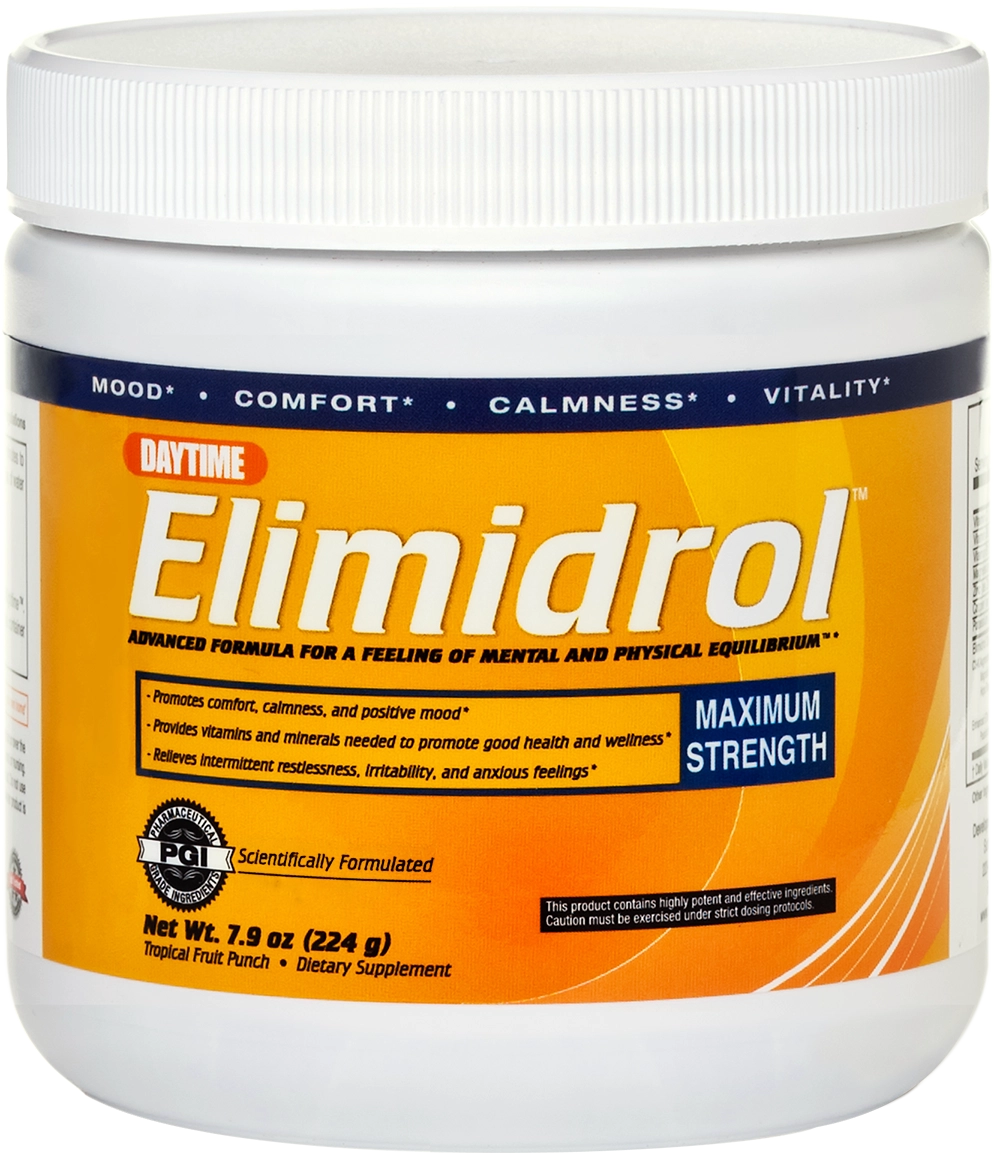
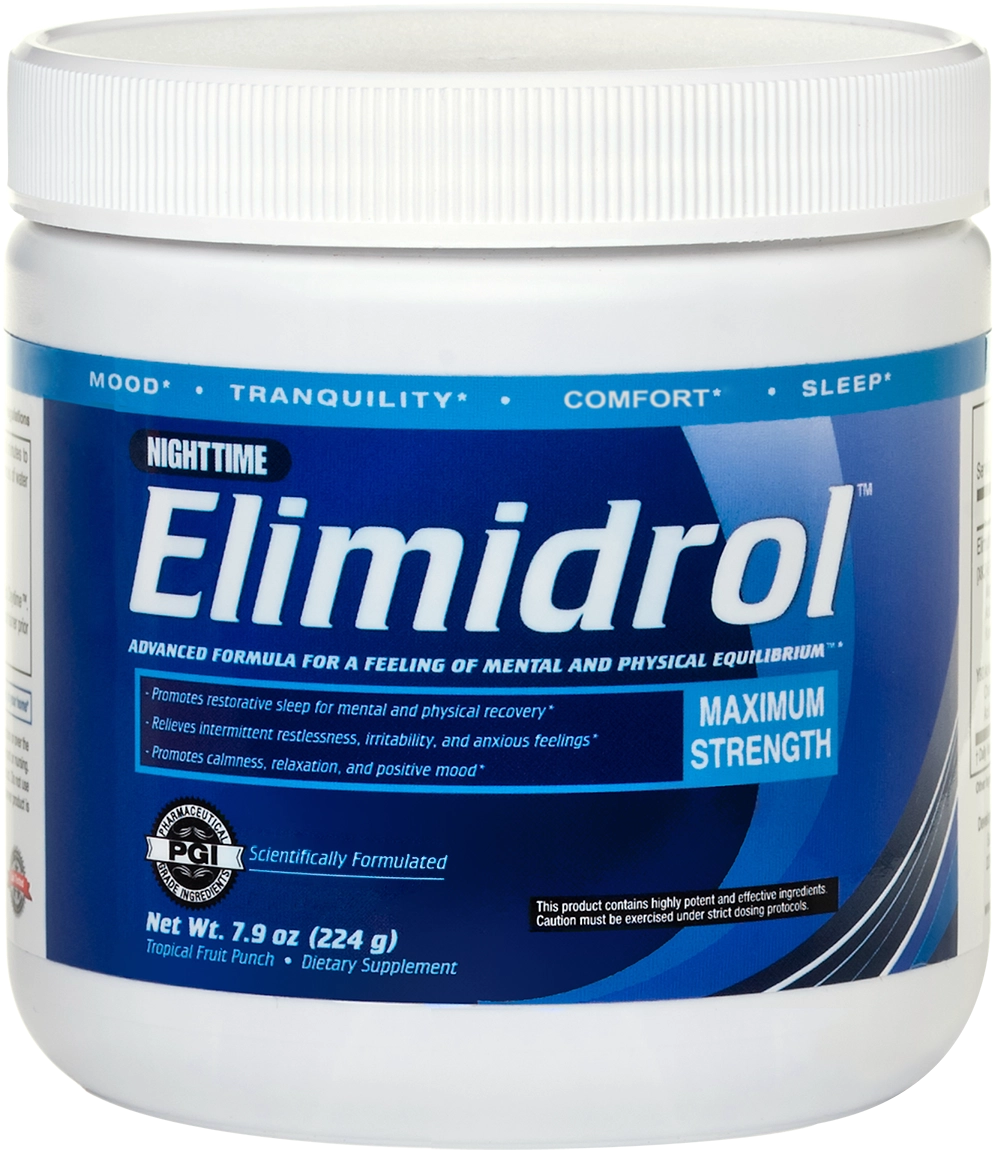
Our formulas are designed to enhance mood and support mental and physical comfort, calmness and well-being, including relief from intermittent restlessness, irritability and anxious feelings.
Elimidrol Daytime combines its proprietary blend with vitamins and minerals, including magnesium and zinc. Elimidrol Nighttime is a different blend, with ingredients such as chamomile, valerian, passionflower and lemon balm and an emphasis on evening relaxation and restful sleep. Nighttime does not have Daytime’s vitamins-and-minerals section.
These are ingredient examples, not complete lists or individual serving amounts. The current Ingredients and Directions on each product page provide the full formula and use information. Our Elimidrol overview explains the two options in more detail.
Keep the choice connected to your needs
Choose a clear purpose, review the complete product and account for anything else you use. Get professional guidance before starting if you take medication, have a medical condition, are pregnant or nursing, or are considering a supplement for a child.
Alongside any supplement, keep regular meals, movement, sleep and supportive relationships in view. If mood changes, restlessness, fatigue or other symptoms persist or disrupt daily life, seek help to understand the pattern rather than assuming an herb or mineral is the missing piece.