
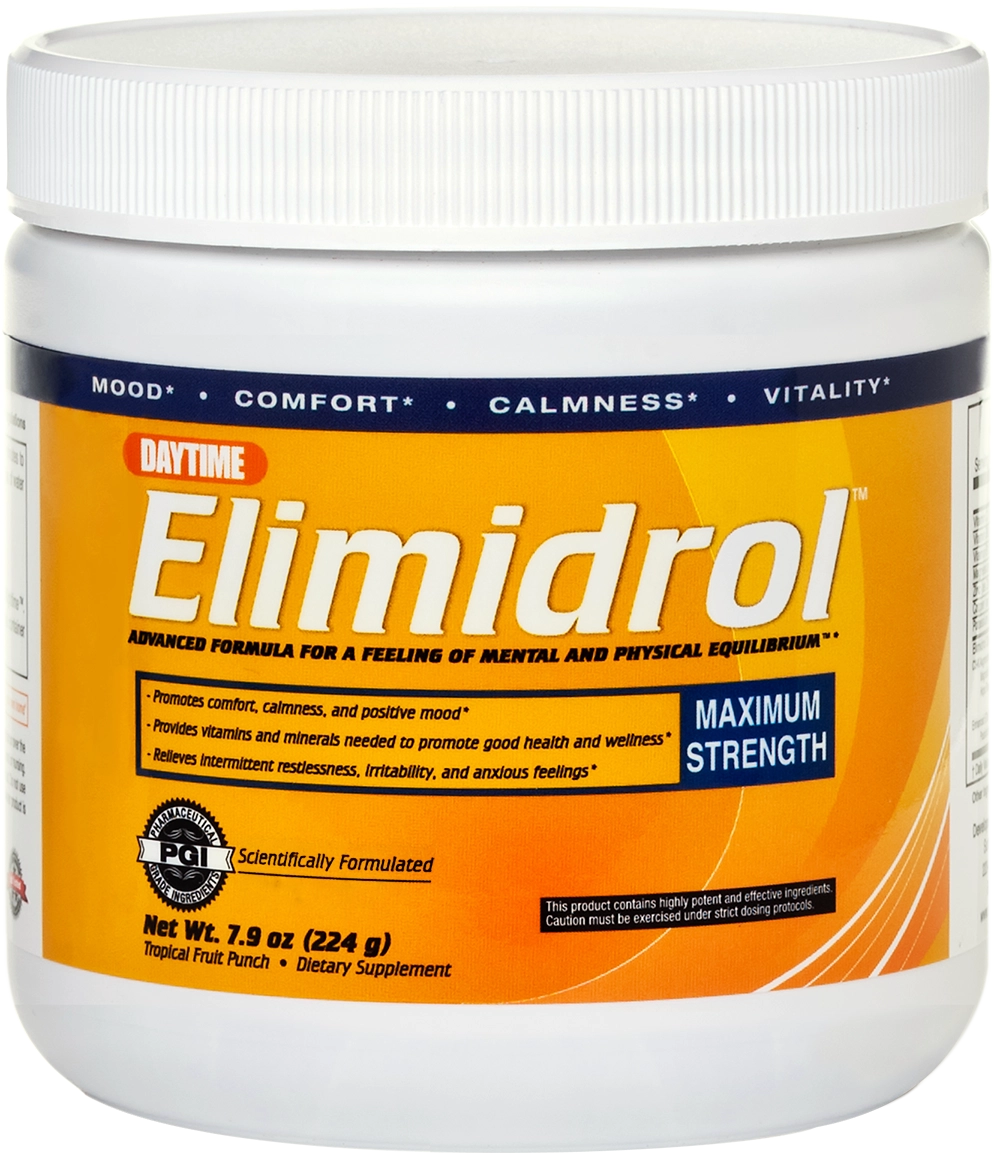
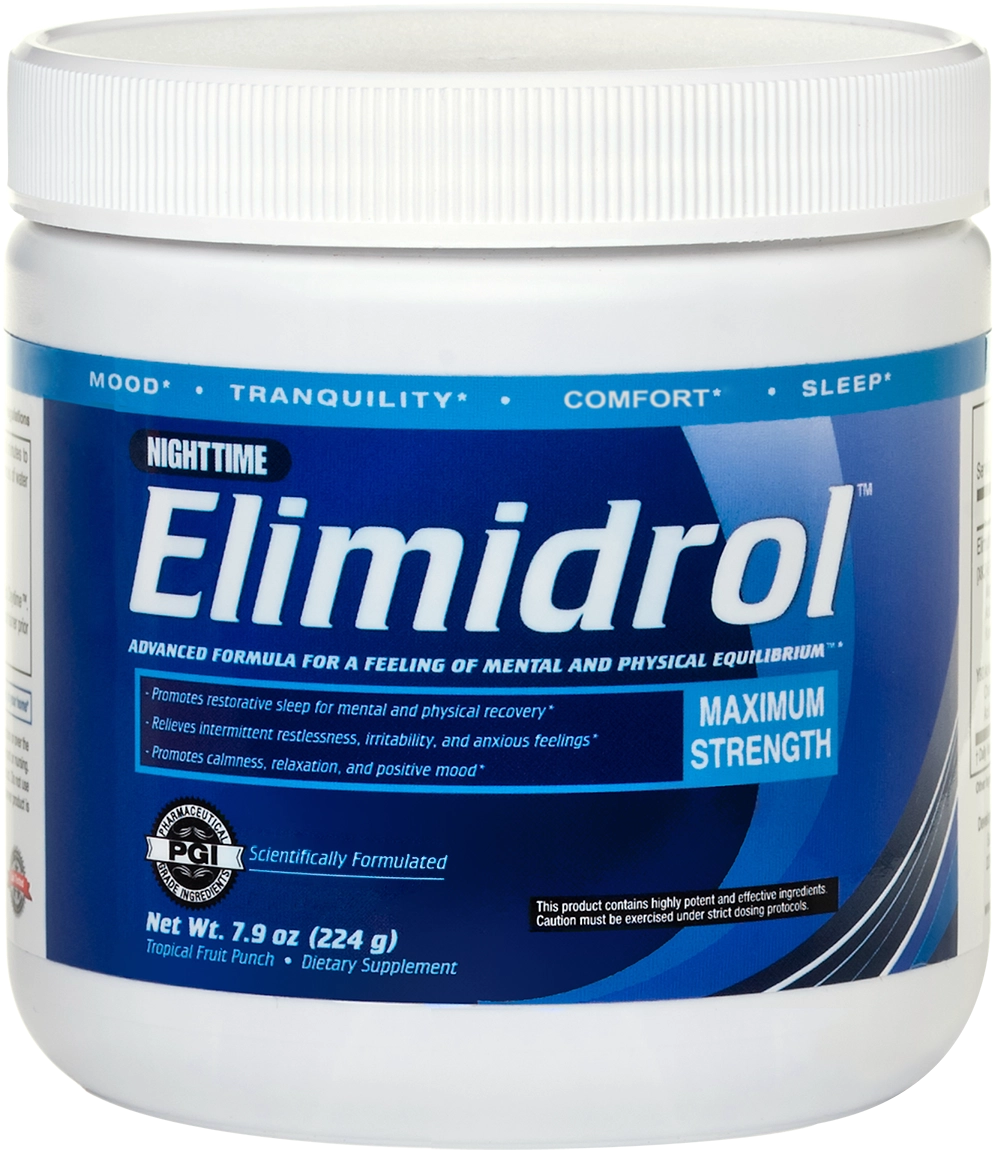


Day vs. Night: Which Elimidrol Formula Fits Your Day—And Your Evening?
What this comparison helps you decide
If you’re searching Elimidrol Day vs Night, the most helpful way to choose is to focus on timing, sensitivity, and label preferences—not which option is “better.” Choosing between Elimidrol Daytime and Elimidrol Nighttime is less about which one is “better” and more about which one fits your routine, sensitivity level, and the kind of support you want at different times of day. This comparison helps you match the right formula to your schedule so you can stay consistent—without feeling like you’re forcing a product into a lifestyle that doesn’t match.
- When to choose Elimidrol Daytime vs Nighttime based on your schedule and goals
- How the formulas differ (label-level) and what they share
- Key tradeoffs to consider before buying (timing, sensitivity, interactions, lifestyle fit)
When Elimidrol Daytime may make more sense
If your main challenge is managing everyday stress during work hours, commuting, or busy family time, a daytime option may be the better fit. Many people look for daytime support that aligns with productivity—something they can take earlier in the day while still feeling capable of handling meetings, errands, or social plans.
Consider Elimidrol Daytime if you want support that fits into a morning or mid-day routine and you prefer to avoid anything that might feel too “wind-down” oriented when you still need to be on your game.
When Elimidrol Nighttime may fit your evening routine
If your bigger concern is decompressing in the evening or supporting a calmer bedtime routine after a demanding day, a nighttime-specific formula may be more appropriate. This option is typically chosen by people who want help transitioning from “go mode” to a more relaxed evening rhythm.
How the formulas differ—and what they share (label-level)
At a label level, Daytime and Nighttime are positioned for different timing and use-cases. While they may share a common goal of supporting a calmer, more balanced experience, the ingredient profiles and intended timing can differ. Before buying, compare the Supplement Facts and suggested use on each label to confirm fit with your preferences and schedule.
Key tradeoffs to weigh before you choose
- Timing: Choose Daytime for earlier hours; choose Nighttime for evening routines. Consider whether you’ll reliably take it at that time.
- Sensitivity: If you’re sensitive to supplements, start with the option that best matches when you notice the most need, and assess your response.
- Interactions & lifestyle fit: Check compatibility with your current supplements/medications and typical habits. If unsure, consult a healthcare professional.
- Single vs. split support: Some people prefer one formula for simplicity, while others may consider a day-and-night approach for more structured routine support.
Quick answer: Elimidrol Day vs Night (at-a-glance)
If you’re deciding in 60 seconds
If you’re comparing Elimidrol Daytime vs Elimidrol Nighttime and want a fast, practical way to decide, start with your timing, your main goal, and how sensitive you tend to be to relaxing or sleep-support ingredients. Both options are positioned around different parts of your routine: daytime support for steady composure and focus versus nighttime support for evening wind-down. The right pick is usually the one that aligns with when you feel you need the most help.
- Choose Elimidrol Daytime if you want daytime support for calm focus and resilience during everyday stress, and you prefer a formula positioned for daytime use.*
- Choose Elimidrol Nighttime if your priority is evening wind-down support and you want a formula positioned for nighttime use (includes melatonin on the label).*
- Consider both if you want a day-to-night routine—while staying within label directions and paying attention to your personal sensitivity and medication/supplement interactions.
To make a confident decision, think in terms of tradeoffs rather than “which is better.” A daytime-focused option may be a stronger fit when you’re trying to stay productive and composed through meetings, errands, or demanding schedules. A nighttime-positioned option may be a better match when you’re trying to support a smoother transition into evening relaxation. If you’re especially sensitive to ingredients that affect sleepiness, that sensitivity may guide you toward a daytime-only approach or toward using nighttime support only when appropriate.
Here are quick decision criteria to keep in mind before choosing one option or pairing them:
- Primary goal: calm focus and stress resilience during the day vs. wind-down support in the evening.
- Timing preference: a single product for one part of the day vs. a structured day-to-night routine.
- Ingredient considerations: Elimidrol Nighttime includes melatonin on the label, which is typically associated with nighttime routines; confirm fit with your schedule and personal response.
- Sensitivity and lifestyle: how you handle relaxing support while working, driving, or staying alert.
- Interaction check: review the label and consider medication/supplement interactions; if unsure, consult a healthcare professional.
If you’re still torn, many shoppers start with the option aligned to their biggest “pain point” window (daytime stress moments or nighttime wind-down) and then reassess after establishing a consistent routine within label directions.*
Elimidrol Day vs Night: What each formula is positioned to support
When comparing Elimidrol Day and Elimidrol Night, the most practical way to start is with brand positioning: one is framed for daytime support, and the other is framed for evening wind-down support. Rather than assuming one option is “better,” it helps to match the formula’s intended timing to the moments when you most want support—staying engaged during the day, or easing into a calmer nighttime routine.
Elimidrol Daytime: daytime support
Elimidrol Daytime is positioned for daytime support—an option intended to fit into the hours when you’re moving through responsibilities and want to stay present in your routine. For many shoppers, this distinction matters because daytime needs often involve maintaining momentum through meetings, commutes, errands, and social obligations without feeling like you need to step away from the day.
Who this may fit: If you’re managing a busy schedule and looking for support during workdays, high-demand routines, or day-to-day obligations, a daytime-positioned product may align with your goals.* Consider it if you want support while staying engaged and productive during the day.
- Best use-case fit: Workdays, errands, social settings, and other active periods*
- Decision lens: “Do I want support while staying engaged and productive during the day?”
- Tradeoff to consider: If your primary challenge shows up later in the evening, a daytime-positioned approach may not match your preferred timing.
Elimidrol Nighttime: evening wind-down support
Elimidrol Nighttime is positioned for evening wind-down support—an option framed around helping you transition out of “go mode” and into a calmer end-of-day rhythm. This can be appealing if your needs are more concentrated in the hours after dinner, when you’re trying to slow down and set yourself up for a more restful night.
Who this may fit: If you want help transitioning into a calmer evening routine and support for occasional sleeplessness, a dedicated nighttime product may be a better match for your schedule and preferences.*
- Best use-case fit: Evenings, bedtime routines, and wind-down periods*
- Decision lens: “Do I want a dedicated nighttime product that supports winding down?”
- Tradeoff to consider: If you’re seeking support during daytime demands, a nighttime-positioned product may not align with those on-the-go moments.
As you decide between Day and Night, focus on timing and routine fit: when do you want support most, and which option feels easiest to use consistently? If you’re unsure which is appropriate for your personal situation—especially if you’re pregnant or nursing, have a medical condition, or take medications—consider checking in with a qualified healthcare professional.*
Label comparison: what’s different between Elimidrol Day vs Night
If you’re deciding between Elimidrol Day and Elimidrol Night, the most useful starting point is the supplement facts panel. Looking at serving format, total blend weight, and the ingredient “sets” listed on each label can help you choose a product that better fits your schedule, sensitivity, and goals for daytime composure versus nighttime wind-down.
Serving format and blend totals (label-level)
Both options use the same basic serving format, which can make it easier to compare them side by side. The key difference at a glance is the total amount of the proprietary blend per scoop.
- Daytime: Serving size 1 scoop; 28 servings/container; proprietary blend total 4576 mg
- Nighttime: Serving size 1 scoop; 28 servings/container; proprietary blend total 5157 mg
Because both products use proprietary blends, the label shows the total amount for each blend rather than the amount of each individual ingredient. If you prefer full transparency (exact milligrams per ingredient), that’s a tradeoff to weigh when comparing products.
Daytime formula: ingredient sets listed on the label
Elimidrol Day groups its formula into multiple sections, including botanical extracts and amino acids, plus a dedicated vitamins-and-minerals total. From a decision standpoint, this may appeal to shoppers who want a daytime-oriented mix that also includes micronutrients on the label.
- C3-K Augmented Formula: Magnolia Bark, N-Acetyl-L-Cysteine, DL-Phenylalanine, Asian Ginseng Root Extract (20% Ginsenosides), L-Tyrosine, Gotu Kola Leaf, Hops Flower, Oat Bran, Kava Kava Root Extract (70% Kavalactones), Milk Thistle Seed Extract (80% Silymarin)
- Enhanced E7b Formula: Passionflower Herb, Lemon Balm Aerial Parts, Ginger Root, St. John’s Wort Aerial Parts
- Vitamins and minerals total: 359 mg (Vitamin C, Vitamin B6, Vitamin B12, Magnesium, Zinc, Copper, Potassium)
- Other ingredients: Citric Acid, Maltodextrin, Natural and Artificial Flavors, Sucralose, FD&C Red #40
Nighttime formula: ingredient sets listed on the label
Elimidrol Night focuses on ingredients commonly positioned for evening relaxation routines, including a dedicated section that lists melatonin. If you’re looking for a more nighttime-specific label profile, this is a key differentiator versus the daytime formula.
- [XKJ]-5 Formula: Magnolia Bark, N-Acetyl-L-Cysteine, Lavender Flower, Gamma Amino Butyric Acid (GABA), Ginger Root, Hops Flower, Kava Kava Root Extract (70% Kavalactones), 5-HTP (from Griffonia Simplicifolia Seed Extract)
- Y90 Advanced Formula: Chamomile Flower, Passionflower Herb, Valerian Root Powder (0.4% Valerenic Acid), Lemon Balm Aerial Parts, Melatonin
- Other ingredients: Citric Acid, Natural and Artificial Flavors, Maltodextrin, Sucralose, FD&C Red #40
Before choosing, consider when you plan to use the product (daytime support vs bedtime routine), your sensitivity to certain supplement ingredients, and whether you prefer a formula that includes vitamins and minerals on the label. As with any supplement, it’s wise to consult a healthcare professional—especially if you’re pregnant or nursing, take medications, or have ongoing health concerns—since some botanicals and nutrients can interact with individual needs.
What’s shared: overlaps that matter in the Day vs Night decision
When you’re comparing a “Day” formula to a “Night” formula, it’s easy to focus only on what’s different. But the overlap matters just as much. Shared ingredients can create a consistent experience across both options—helpful if you want a familiar baseline of support whether you’re navigating busy daytime demands or trying to wind down later.
From a practical shopping standpoint, the shared label components can also make the decision feel less like choosing between two completely different products and more like choosing the same “core” support, optimized for different times of day.
Shared ingredients (label-based)
Based on the labels, both formulas include the following ingredients:
- Magnolia Bark
- N-Acetyl-L-Cysteine
- Ginger Root
- Hops Flower
- Kava Kava Root Extract
- Passionflower Herb
- Lemon Balm Aerial Parts
In a Day vs Night comparison, this overlap is your clue that both options may support a similar overall goal—such as promoting calm and helping you feel more balanced—while still leaving room for time-of-day tailoring through their unique components.
How to interpret “shared” vs “unique” without overthinking it
Shared ingredients may support a consistent “brand feel,” while unique ingredients can shift the formula toward daytime support or nighttime wind-down support. Rather than trying to “score” individual ingredients, use the overlap as a decision shortcut: if the shared core already aligns with what you’re looking for, your choice usually comes down to how and when you plan to use it.
- Timing: Choose based on whether your primary need is steady daytime composure or an evening routine that supports relaxation.
- Sensitivity: If you’re more sensitive to calming supplements, consider how you typically respond and match that to your intended use window.
- Lifestyle: Work schedule, social commitments, and bedtime habits can all influence whether a day-leaning or night-leaning option fits better.
Finally, remember that botanical and amino-acid-based supplements can affect people differently. If you’re pregnant or nursing, taking medications, or have a medical condition, it’s smart to check with a qualified healthcare professional before using products that include ingredients like kava kava or other calming herbs.
Decision criteria: how to choose between Elimidrol Day vs Night
If you’re comparing Elimidrol Day vs Elimidrol Night, the most useful approach is to match each option to when you want support, what you’re comfortable taking, and how it fits into your current routine. Below are practical decision points to help you choose with clarity (and avoid buying a formula that doesn’t align with your goals).
1) Your primary timing goal: daytime steadiness vs nighttime wind-down
Start by identifying the part of your day that feels most demanding. Many people prefer targeted support rather than taking the same type of relaxing formula around the clock.
- Daytime: consider if you want support during meetings, commuting, social events, or high-demand days.
- Nighttime: consider if your goal is to support a calmer evening routine and prepare for sleep.
2) Whether you want a formula that includes melatonin
Melatonin is listed on the Elimidrol Night label, which makes this an important “yes/no” choice. Some people like the idea of including melatonin as part of an evening routine, while others prefer to avoid it and focus on non-melatonin approaches.
- Nighttime includes melatonin on the label.
- Decision prompt: Do you prefer to include melatonin in your nighttime routine, or would you rather avoid it?
3) Your sensitivity to relaxing ingredients and “next-day” feel
Even when a product is intended for support, individual sensitivity varies. If you tend to feel overly relaxed or “heavy” from calming ingredients, you may prefer keeping stronger relaxation-oriented support for the evening.
- Some people prefer keeping more relaxing support for evenings.
- Decision prompt: Do you need to stay alert for driving, work, or caregiving during the day?
4) Your current supplement/medication routine (interaction awareness)
If you already take medications or other supplements, prioritize interaction awareness before choosing. The labels highlight ingredients that are commonly discussed in interaction contexts.
- Daytime includes St. John’s Wort on the label (commonly associated with interactions).
- Nighttime includes 5-HTP and melatonin on the label (also commonly discussed in interaction contexts).
- Decision prompt: If you take any medications or other supplements, check with a healthcare professional before choosing or combining products.
5) Your preference for formulas that include vitamins/minerals
If you like the idea of “stacking” general nutritional support with daytime mood-and-stress support, label structure may influence your choice. Elimidrol Day includes vitamins and minerals on the label, while Elimidrol Night does not list a vitamin/mineral panel in the provided label facts.
- Daytime: includes vitamins and minerals on the label.
- Nighttime: does not list a vitamin/mineral panel in the provided label facts.
- Decision prompt: Are you looking for daytime support that also includes vitamins/minerals, or do you prefer a simpler nighttime-only blend?
Ultimately, choose Elimidrol Day if your priority is daytime steadiness and a label that includes vitamins/minerals, and consider Elimidrol Night if you’re building an evening wind-down routine and prefer a product that includes melatonin. When in doubt—especially if you’re sensitive to relaxing ingredients or take other products—confirm your plan with a qualified healthcare professional.
How to use Elimidrol Daytime and Nighttime responsibly (label-based directions)
If you’re comparing daytime versus nighttime options, responsible use starts with following the label and paying close attention to how you personally respond. Even when two products are designed for different times of day, the most practical decision criteria are the same: start low, evaluate how you feel, and avoid pushing intake higher than needed. This approach can help you find a routine that feels supportive without overdoing it.
Mixing and timing basics
For both Elimidrol Daytime and Elimidrol Nighttime, the label-based mixing directions are straightforward. You’ll mix 1 scoop in 10–12 oz of water. Many people find it helpful to stir or shake thoroughly and drink it consistently the same way each time so they can better judge their personal tolerance.
- Mix: 1 scoop in 10–12 oz water
- Pause: wait about 30 minutes to assess tolerance before an optional second scoop
- Timing: recommended on an empty stomach
The built-in waiting period is an important pacing tool. Rather than taking more immediately, you’re giving yourself time to notice how you respond before deciding whether an additional scoop is appropriate. If you’re choosing between Daytime and Nighttime, this also helps you evaluate whether a product feels better aligned with your schedule—without automatically escalating the amount.
Daily limit and common-sense pacing
The label direction to not exceed 4 scoops in 24 hours should be treated as a firm upper limit, not a target. From a practical shopping and routine-building standpoint, the tradeoff is simple: higher amounts may not necessarily feel more supportive, and using more than you need can make it harder to pinpoint what’s working well for you.
- Do not exceed: 4 scoops in 24 hours
- New-user approach: start with the minimum amount that feels supportive
- Avoid stacking: don’t combine multiple calming products at once unless a clinician advises otherwise
If you’re new to calming supplements or you’re already using other products aimed at relaxation support, consider a simpler plan first. When in doubt—especially if you’re sensitive to supplements, pregnant or nursing, have underlying health concerns, or take medications—check in with a qualified healthcare professional for personalized guidance.
Choosing a routine: example scenarios (Day vs Night)
If you’re deciding between a daytime option, a nighttime option, or a combined approach, start by matching the product’s positioning to when you feel you need support most. Your schedule, your alertness requirements, and what else you may be taking (including other supplements) can all influence which routine feels easiest to maintain.
Scenario A: “I need daytime support for everyday stress”
If your main goal is support during working hours, a daytime-positioned product is typically the more practical fit. The key is choosing something that aligns with your workday demands—meetings, commuting, caregiving, or anything else that requires sustained focus and responsiveness.
- Daytime positioning: Look for a product clearly intended for daytime use so it fits naturally into your morning or midday routine.
- Schedule compatibility: Consider when you’ll realistically remember to take it (for example, with breakfast or lunch) and whether your day includes events where you need to stay especially alert.
- Potential interactions: Be cautious about interactions with supplements and medications. For example, St. John’s Wort is known to interact with some medications, so it’s a good prompt to review labels carefully and check with a healthcare professional.
Decision point: Prioritize fit with your workday demands and alertness needs. If “feeling steady but still fully functional” is your target, your routine should support that goal without complicating your schedule.
Scenario B: “Evenings are when I want the most support”
If your toughest window is later in the day, an evening-positioned product may integrate better—especially if it’s designed for wind-down time and includes melatonin. This can be a more straightforward choice when you’re aiming to support a calmer nighttime routine.
- Nighttime positioning: Choose a product intended for evening use so the timing aligns with your nightly habits.
- Includes melatonin: If the formula includes melatonin, treat it as a cue to reserve use for nighttime and to follow label directions closely.
- Wind-down compatibility: Think about how it fits with your routine—screen limits, reading, stretching, or other relaxing rituals.
Decision point: Choose the product designed for evening use if your priority is nighttime support and a consistent wind-down routine.
Scenario C: “I’m interested in a day-to-night approach”
Some people prefer a structured routine that supports them across the full day. If you’re considering using both a daytime and nighttime product, consistency and restraint matter most—especially around total intake and personal sensitivity.
- Stay within label directions: Use only as directed and avoid exceeding the recommended total scoops per day.
- Monitor sensitivity: Pay close attention to how you feel, particularly when introducing a second product or adjusting timing.
- Stacking caution: Be careful combining with other calming or sleep-support supplements or medications.
Decision point: Talk to a healthcare professional if you plan to layer multiple calming or sleep-support products, or if you take medications, to help reduce the risk of unwanted interactions and to support a routine that fits your needs.
Safety checkpoints to review before you buy
Before choosing a Daytime or Nighttime option, it helps to pause for a quick safety review. “Calming” products can be a good fit for some routines, but they’re not one-size-fits-all—especially if you’re trying to stay alert during the day or you’re already managing other health priorities. A few practical checkpoints can help you compare options and reduce the odds of an unpleasant surprise after purchase.
Consult-first situations
Consider checking in with a healthcare professional before buying if any of the following apply. This step is especially important when you’re weighing whether a daytime formula (typically used when you still need to function normally) or a nighttime formula (typically used closer to bedtime) is more appropriate for your schedule.
- If you’re pregnant or nursing: This is a common “consult first” category for supplements in general, since individual needs and safety considerations can vary.
- If you take prescription medications or have ongoing health concerns: A clinician or pharmacist can help you think through potential fit and timing, and whether a supplement aligns with your current plan.
- If you’re sensitive to calming ingredients or need to avoid drowsiness at certain times: If you’re shopping specifically for daytime use, prioritize options that align with your need to stay alert. If you’re shopping for nighttime use, think about how next-morning grogginess (if it happens for you) could affect your routine.
Label-reading tips that reduce surprises
When comparing Daytime vs Nighttime products, label details often matter just as much as the product name. A couple of quick checks can help you buy more confidently and use the product as intended.
- Scan the “other ingredients” list: If you avoid certain sweeteners, colors, or flavorings, this step can save you time. In this case, both formulas list sucralose and FD&C Red #40, which may be important for shoppers who prefer to limit those additives.
- Confirm the product name before checkout: Double-check that you’re selecting Daytime vs Nighttime so you’re using it at the intended time of day and matching it to your goals (steady daytime calm vs a wind-down routine).
If you’re unsure which timing fits your lifestyle, consider starting with the option that best matches when you most want support—then reassess based on how it fits into your routine, keeping safety and alertness needs front and center.
FAQ: Elimidrol Day vs Night
Is Elimidrol Daytime or Nighttime better for me?
Choosing between Elimidrol Daytime and Elimidrol Nighttime is mainly about when you want support and what you prefer to include (or avoid) in your routine. If your goal is steadier daytime support, you may lean toward the Daytime option. If your goal is an evening wind-down routine, you may prefer Nighttime. A key tradeoff is the inclusion of melatonin in Nighttime versus a vitamins/minerals profile in Daytime.*
- Consider Elimidrol Nighttime if you want an evening-focused option and you’re specifically looking for a formula that includes melatonin (listed on the label).
- Consider Elimidrol Daytime if you want a daytime-oriented option and you prefer a formula that lists vitamins/minerals such as Vitamin C, B6, B12, magnesium, zinc, copper, and potassium (label-level).
Can I take Elimidrol Day and Night on the same day?
Some people may consider a day-to-night routine, but your decision should be based on label directions and your personal tolerance. If you use both in the same day, pay close attention to total daily use and how you feel. Do not exceed 4 scoops in 24 hours (label-based), and consult a healthcare professional if you take medications or other supplements.
Does Elimidrol Nighttime contain melatonin?
Yes. Melatonin is listed in the Nighttime Y90 Advanced Formula at the label level.
Does Elimidrol Daytime contain vitamins and minerals?
Yes. Daytime lists Vitamin C, B6, B12, magnesium, zinc, copper, and potassium (label-level).
What ingredients are shared between Elimidrol Day vs Night?
If you’re comparing formulas for continuity across day and evening use, several label ingredients appear in both versions. Shared label ingredients include:
- Magnolia Bark
- N-Acetyl-L-Cysteine
- Ginger Root
- Hops Flower
- Kava Kava Root Extract
- Passionflower Herb
- Lemon Balm Aerial Parts
How do I take Elimidrol (mixing instructions)?
Mix 1 scoop in 10–12 oz of water. Wait about 30 minutes to assess tolerance before an optional second scoop. Use on an empty stomach, and do not exceed 4 scoops in 24 hours (label-based).
What should I watch for if I take other supplements or medications?
Because the labels include ingredients commonly discussed in interaction contexts (for example, St. John’s Wort in Daytime and 5-HTP and melatonin in Nighttime), it’s important to consult a healthcare professional before use—especially if you take medications or stack multiple supplements. This helps you evaluate fit, timing, and whether a Daytime-only, Nighttime-only, or combined routine is appropriate for your situation.
Next steps: how to choose confidently (and buy with fewer regrets)
If you’re close to deciding between Elimidrol Daytime and Elimidrol Nighttime, the goal is to reduce “second-guessing” by matching the product to when you’ll actually use it, what you want on the label, and how it fits into your day. Use the steps below to narrow your choice based on practical tradeoffs—so you’re more likely to stick with a routine you feel good about.
Step 1: Pick your primary use time
Start by choosing the version that aligns with the time of day you most want support. This is often the simplest way to avoid buying something that doesn’t fit your real-life schedule.
- Daytime support: start with Elimidrol Daytime if you’re looking for support during working hours, busy afternoons, or other on-the-go moments.
- Evening wind-down support: start with Elimidrol Nighttime if your main goal is a calmer end-of-day routine.
Decision tip: If you’re split, think about your “highest friction” moment—when you’re most likely to reach for help. Choose the option you’ll realistically use consistently.
Step 2: Match the label to your preferences
Next, make sure the formula direction matches what you personally prefer in a supplement. This is where many buying regrets happen—when the label doesn’t align with what you intended to take.
- If you want melatonin included: consider Nighttime.
- If you prefer daytime support with vitamins/minerals included: consider Daytime.
- If you’re sensitive or cautious: plan to start low and assess tolerance. Follow label directions, including the guidance to wait about 30 minutes before taking more.
Tradeoff to weigh: Some people prioritize simplicity (one product for a specific time of day), while others prioritize flexibility (starting low and adjusting carefully within label guidance).
Step 3: Confirm compatibility with your routine
Before you buy, sanity-check how the product fits into your responsibilities and preferences. A supplement that conflicts with your schedule is harder to use consistently.
- Check your schedule: consider work hours, driving, and caregiving duties when deciding whether daytime or nighttime support makes more sense for you.
- Review “other ingredients”: scan the label for any personal preferences or sensitivities.
- Ask a professional when needed: if you’re unsure due to medications or life stage (including pregnancy/nursing), talk with a healthcare professional before starting.*
Once you’ve chosen your timing, matched the label to your preferences, and confirmed it works with your routine, you’ll be in a stronger position to buy with confidence—and avoid ending up with a supplement you don’t use.
Learn more in Elimidrol Mood Support: Benefits, Safety & Buying Guide. Learn more in Sleep Reset Weekend: Gentle Reboot to Fix Your Sleep Schedule.