

A deadline, an unexpected bill or an important conversation can leave you feeling stressed. Sometimes the anxious feeling continues after the situation changes. At other times, worry appears without an obvious immediate threat.
Stress and anxiety are related, but understanding the difference can help you decide what kind of response might be useful. You may be able to address an external demand, give yourself time to settle or ask for support with feelings that are becoming difficult to manage.
Stress responds to a demand or challenge
Stress is a mental or physical response to an external cause. That cause might be brief, such as preparing for a presentation, or ongoing, such as a difficult work situation or caring for a family member.
Your body’s stress response can involve changes in alertness, breathing, heart rate and muscle tension. A response that helps you pay attention to an immediate challenge can become tiring when demands continue or recovery time is limited. The intensity and duration vary; a busy morning and a frightening event are not the same experience.
For a fuller explanation, the National Institute of Mental Health’s stress and anxiety guide describes external stressors, common responses and coping options.
Anxious feelings can occur with or without a current threat
Anxiety can involve worry, unease or apprehension. It may accompany a stressful situation, continue after it ends or arise without a clear current threat. It is not simply the feeling left over once stress has disappeared.
Feeling anxious from time to time is a normal part of life. Intermittent anxious feelings are feelings that come and go; that description does not establish a diagnosis or tell you how much support someone needs.
NIMH explains that anxiety disorders involve more than occasional worry or fear and can interfere with daily activities. A qualified professional can help you understand symptoms that persist, worsen or become disruptive.
Some stress can help you respond
A manageable challenge may focus your attention or motivate preparation. Before an interview, for example, feeling alert might prompt you to review your notes and leave enough travel time.
The useful question is not whether you should feel no stress at all. It is whether your response is manageable and whether you have time and support to recover. Constantly pushing through is not the only option.
Different stressors call for different responses
Routine disruptions
Traffic, a missed message or a change of plans can interrupt a predictable day. A practical response might be to let someone know you are delayed, adjust the next task or leave more space in tomorrow’s schedule.
Expected demands
A major project, move or upcoming event can create pressure over several weeks. Break the work into smaller steps, identify what can wait and ask for help with a specific part. Preparation can reduce some uncertainty without removing every difficult feeling.
Sudden changes and ongoing responsibilities
A loss, job change, illness or sustained caregiving responsibility may call for more than a quick relaxation technique. Practical assistance, supportive relationships and professional guidance can all have a place. Your needs may change as the situation develops.
Notice patterns without dismissing your concerns
Common experiences during stressful or anxious periods include restlessness, irritability, difficulty concentrating, muscle tension and trouble sleeping. These experiences can also have other contributing factors, so they should not be used to diagnose yourself.
A brief note can help you describe what is happening: when the feeling appeared, what else was going on and what seemed helpful. If your thoughts jump to a worst-case outcome, consider another reasonable possibility. That does not mean the concern is imaginary or that a change of attitude will solve every problem.
In its 2015 Stress in America survey summary, the American Psychological Association reported that many adults felt stress affected their mental and physical health and that a sizable proportion felt they were not doing enough to manage it.
Choose the next kind of support you need
- For the moment: try comfortable breathing, a pause or another familiar calming activity. Our immediate-calming guide gives practical steps.
- For the routine: make room for regular meals, movement, sleep and connection. See our guide to dealing with everyday anxiety.
- For a recurring situation: use a personal coping plan to connect the situation with a manageable action.
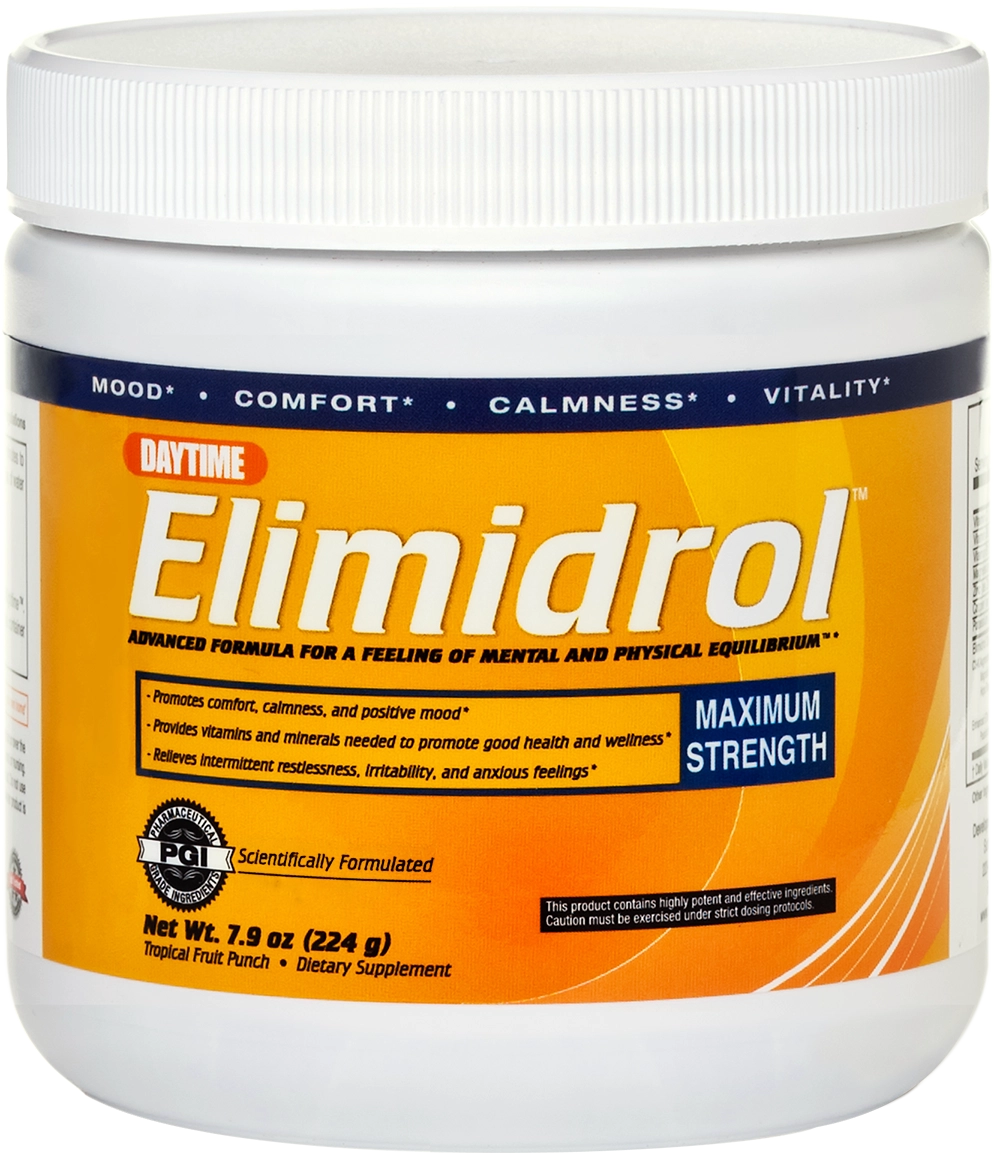
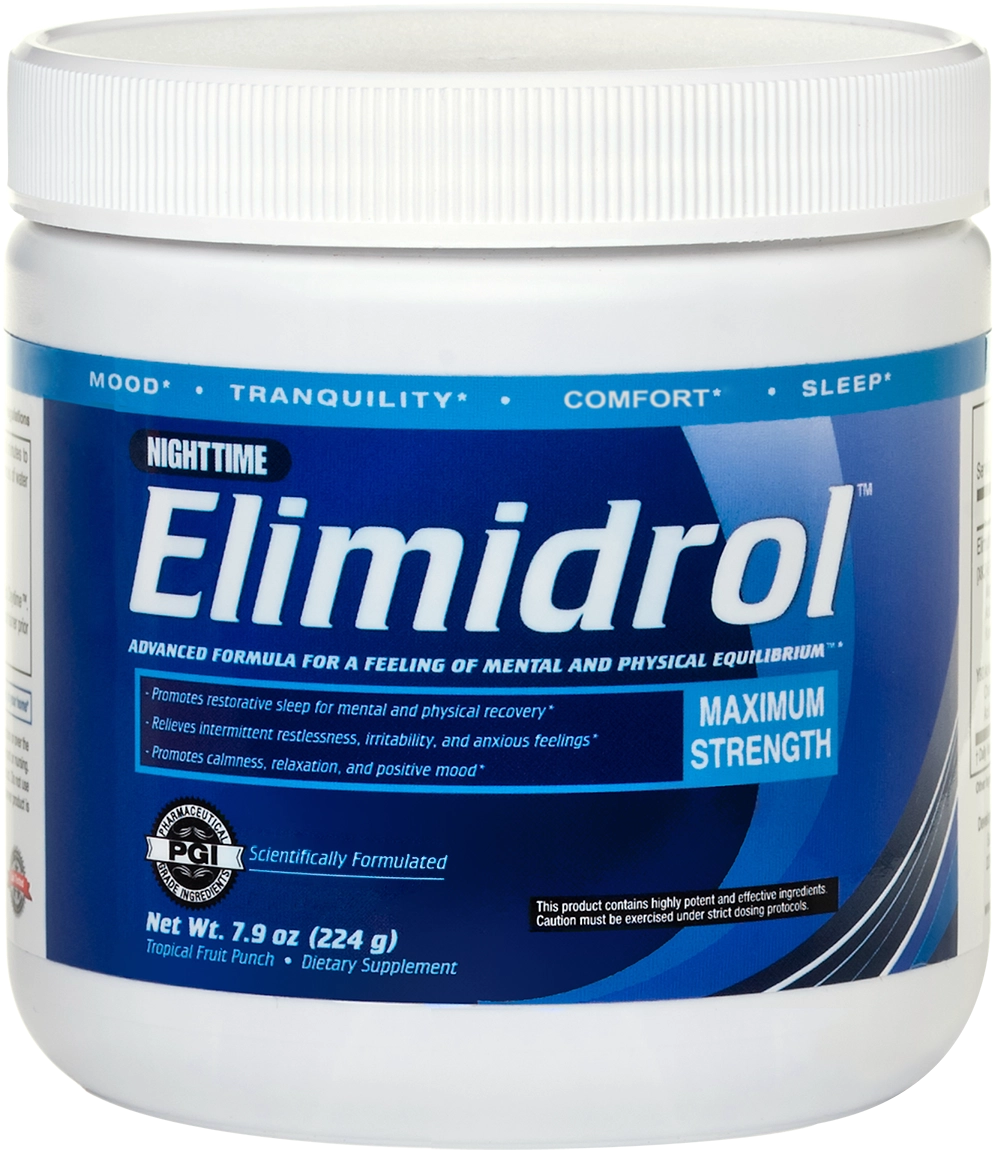
If you are considering additional mood support, Elimidrol is designed for mood, mental and physical comfort, calmness and well-being, including relief from intermittent restlessness, irritability and anxious feelings. The Daytime and Nighttime pages explain their different purposes, ingredients and Directions. Review suitability with a qualified healthcare professional if you take medicines or have a medical condition.
Seek professional support when anxious feelings are persistent, severe, lead to avoidance or interfere with daily life. You do not need to decide on your own whether they meet a particular diagnosis before asking for help.