

Dealing with everyday anxiety is not only about what you do when a difficult feeling arrives. It also involves the routine around those moments: how you eat, move, rest, organize responsibilities and stay connected.
A supportive routine does not need to be rigid. Start by making one part of your day easier to repeat, then build from there. If you need steps for a feeling that is happening right now, begin with our guide to calming anxious feelings.
Find the part of your day that needs support
Think about when you most often feel rushed, unsettled or overloaded. Is it the morning transition, a stretch of work without a break or the period when you are trying to wind down?
Choose one practical difficulty you can describe. “I often miss lunch when meetings run together” points toward a useful adjustment. “I need a completely different life” is much harder to act on.
The NIMH stress and anxiety guide suggests regular meals, movement, sleep, relaxation and connection as coping habits. Use those as options, not as a list you must complete perfectly every day.
Make meals and drinks easier to manage
Keep a few familiar meals and snacks within reach. A prepared lunch, leftover dinner or simple combination of foods you enjoy can be more useful than an elaborate plan you cannot maintain.
A varied eating pattern supports normal health and gives you opportunities to meet your nutritional needs. It does not make one food or nutrient a guaranteed answer to anxious feelings. Our food and mood guide offers practical meal ideas.
Notice how caffeine fits your routine. If it leaves you jittery or interferes with sleep, consider a smaller serving, an earlier cutoff or a different drink. Keep water accessible, too, especially when a crowded schedule makes it easy to overlook ordinary breaks.
Give movement a repeatable place
Choose activity that suits your ability and interests. Walking, cycling, dancing, gardening or a suitable exercise class are all possibilities. Tie the activity to a part of the day that already happens, such as finishing lunch or arriving home.
The CDC describes benefits of physical activity that include reduced short-term anxious feelings in adults, better sleep and longer-term health benefits.
If you are starting from little activity, begin with something manageable and build gradually. For more ideas, see our exercise and emotional well-being guide.
Protect a transition into rest
Pick a realistic time to begin winding down and one activity that marks the change. You might finish essential tasks, prepare a few things for tomorrow and then read or listen to quiet music.
Try to keep your sleep routine reasonably consistent, while recognizing that work, caregiving and other responsibilities may affect it. Our sleep hygiene guide explains the role of habits and surroundings.
Make room for people and practical boundaries
A supportive conversation does not have to solve everything. Tell someone whether you would like them to listen, help with a task or spend time with you. A clear request is easier to respond to than hoping they will guess what you need.
Boundaries can also be concrete. “I can take on this task tomorrow” or “I need help choosing which item is most urgent” can make demands clearer. Where possible, plan an enjoyable activity that is not another obligation.
Choose additional support for a specific purpose
If you are considering a supplement, decide what you want it to contribute. A nutrient for an identified dietary need and a formula designed for mood or relaxation are different choices. Normal nutrient roles and a herb’s history of use do not tell you the full story about a particular product.
Our guide to common mood-support ingredients can help you compare the ingredient categories you see on product labels.
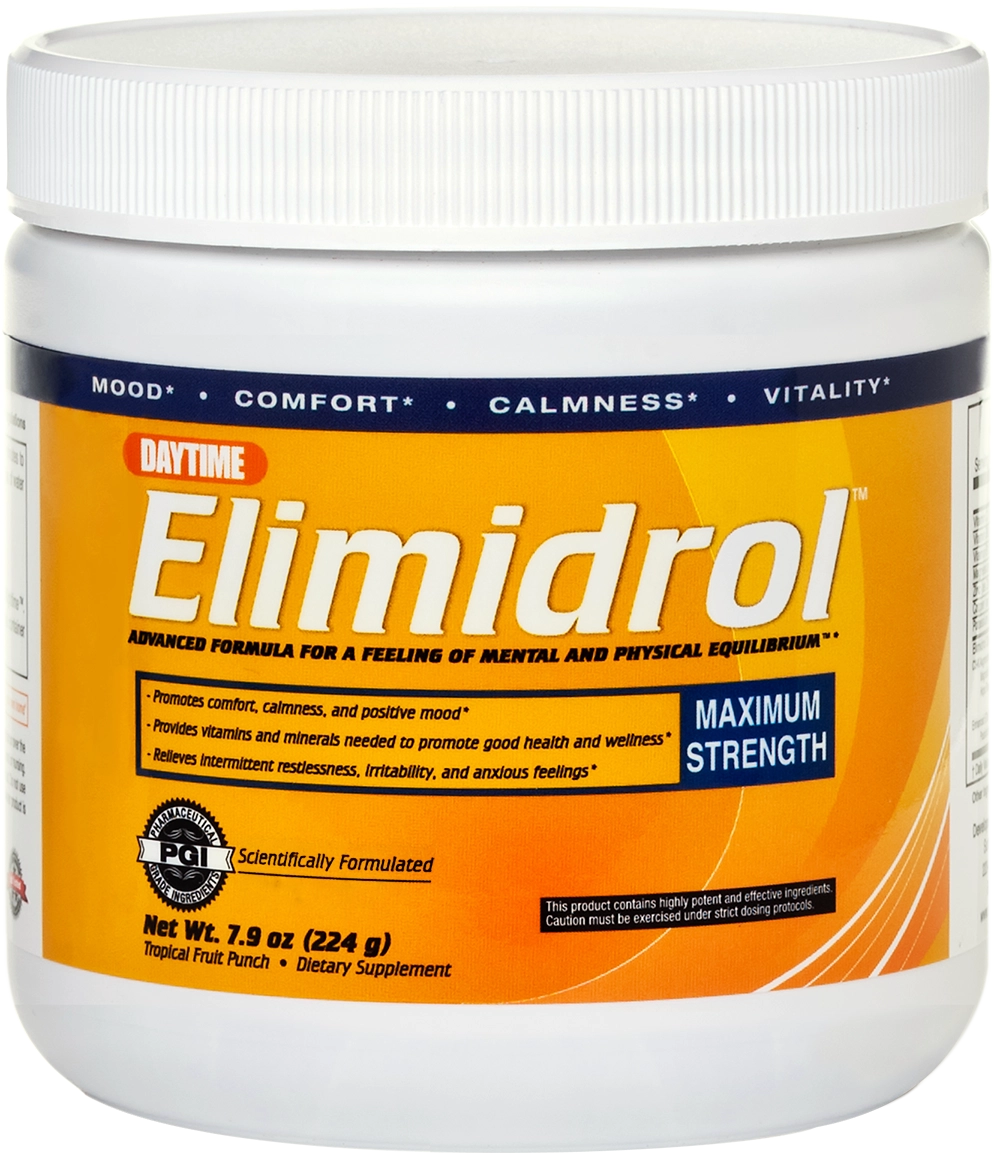
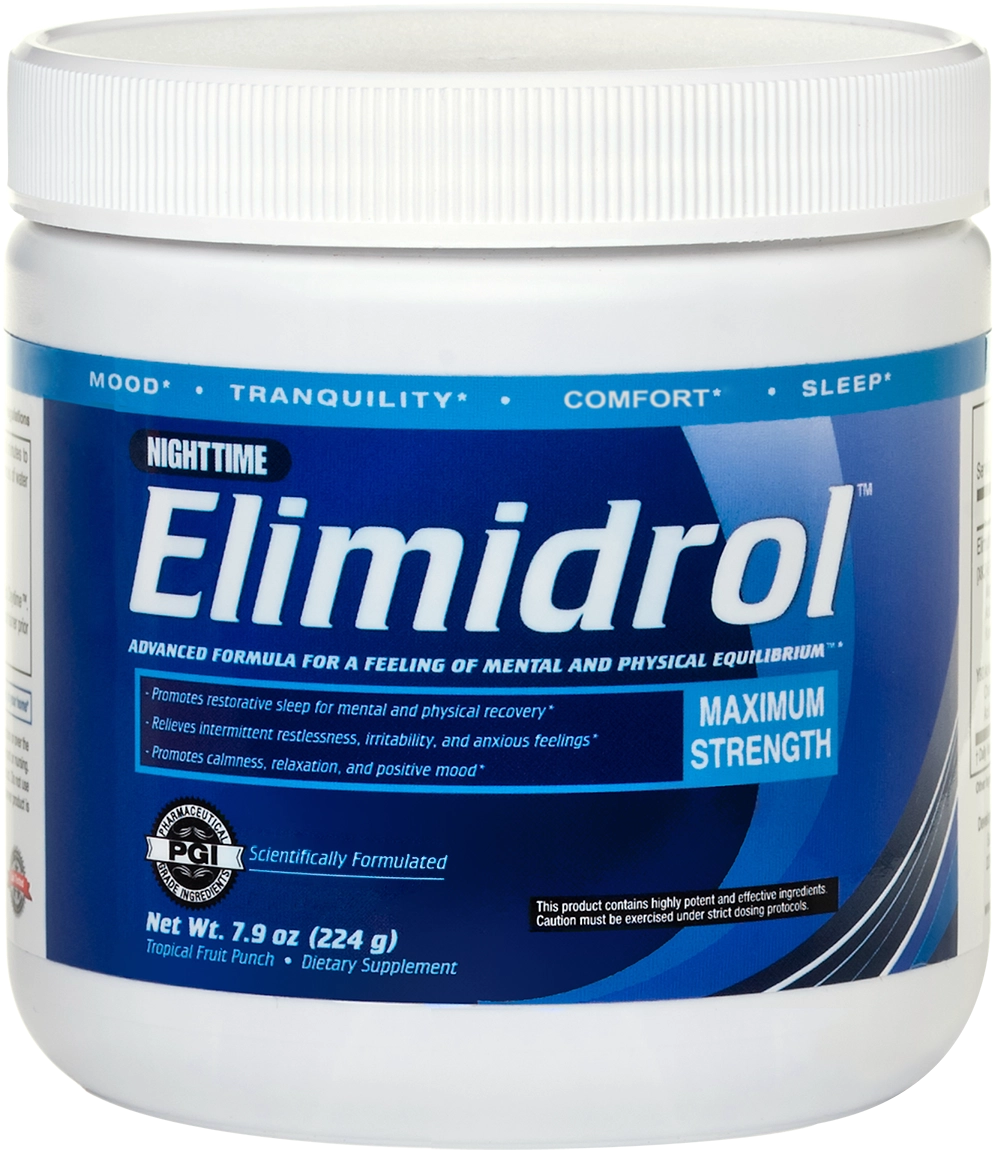
Elimidrol supports mood, mental and physical comfort, calmness and well-being, including relief from intermittent restlessness, irritability and anxious feelings. Daytime is designed for daytime support; Nighttime emphasizes evening relaxation and restful sleep. Review each formula’s complete ingredients and Directions, and discuss suitability with a qualified healthcare professional if you take medicines or have a medical condition.
Build a routine that can survive a busy day
A simple starting plan might be:
- Before the day gets busy: make one meal or snack easy to reach.
- During the day: take a manageable movement break and clarify the most important task.
- In the evening: close the day’s work and use a familiar wind-down activity.
- When you need support: contact someone or make a specific request instead of carrying the whole demand alone.
Adjust the plan to fit your circumstances. If anxious feelings persist, feel severe, cause avoidance or interfere with daily life, seek professional support. A routine can support you, but it does not have to be the only help you use.