

Elimidrol Mood Support: Benefits, Safety & Buying Guide

Feeling Stressed or “Off”? Here’s What People Want to Know About Elimidrol Mood Support

When daily pressure builds, it’s common to feel tense, distracted, or simply not like yourself. That’s why many people look into options like Elimidrol Mood Support—especially if they want a non-prescription approach that fits into a wellness routine. Before buying, it helps to understand what a “mood support” supplement can reasonably do, what it can’t do, and how to assess whether it’s a good match for your needs.

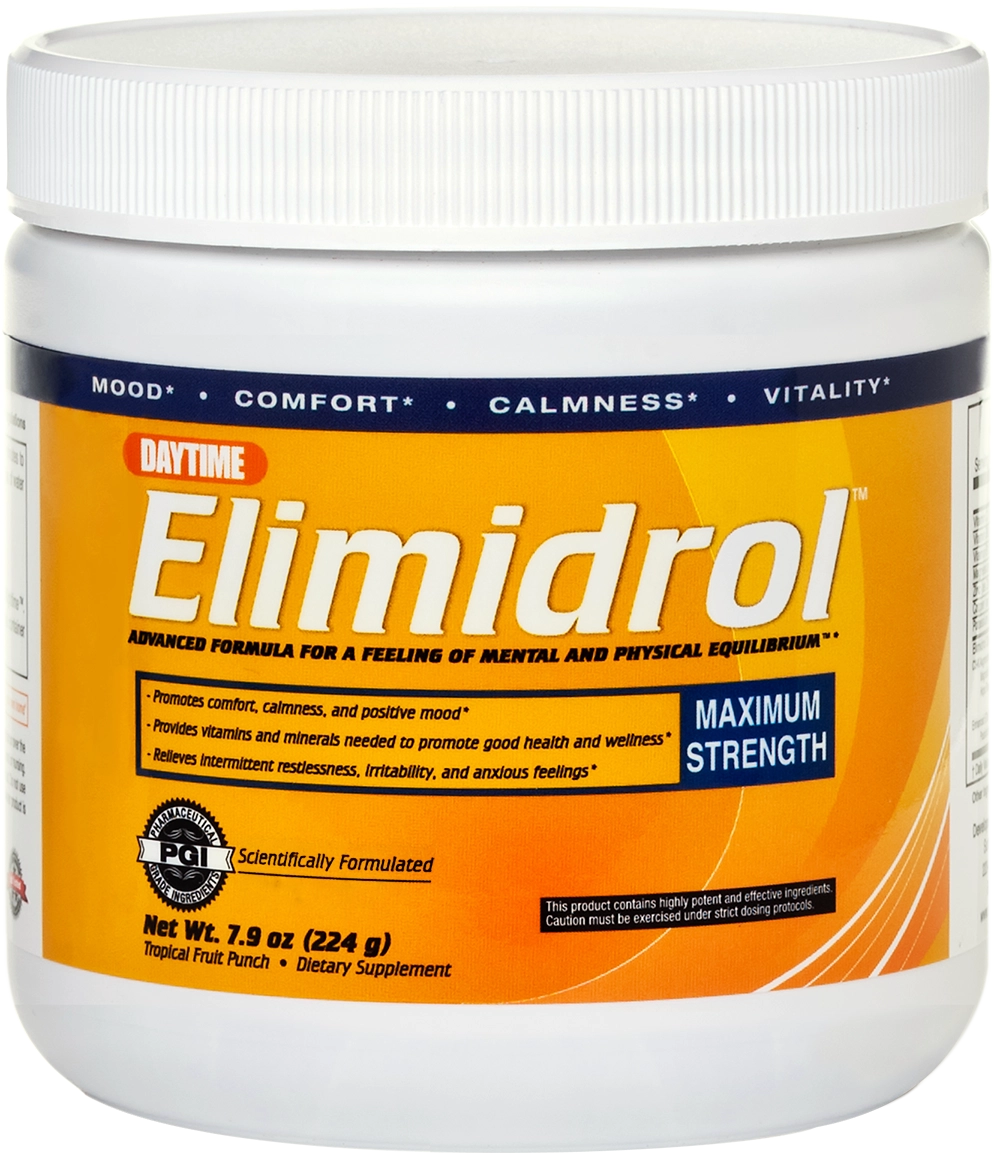
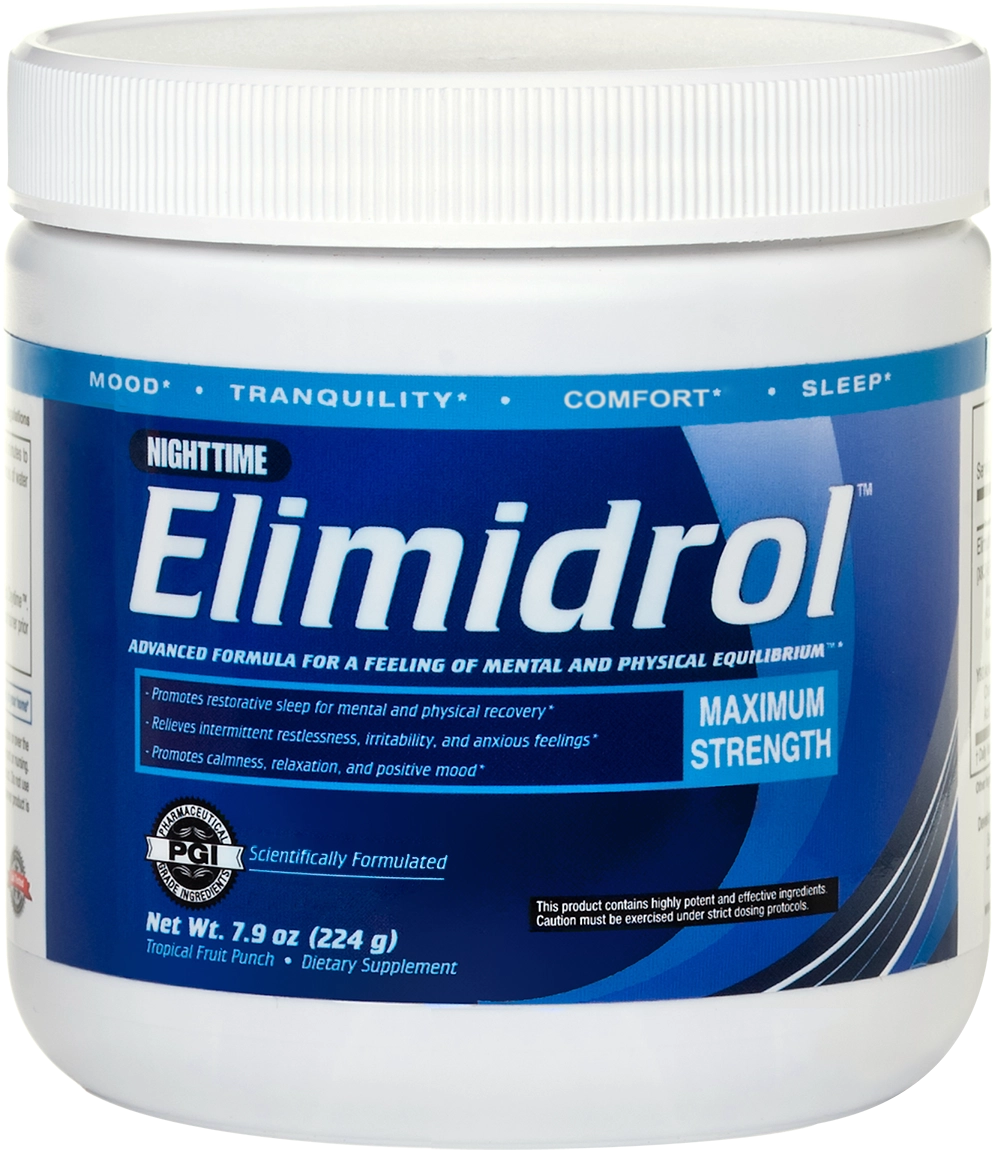
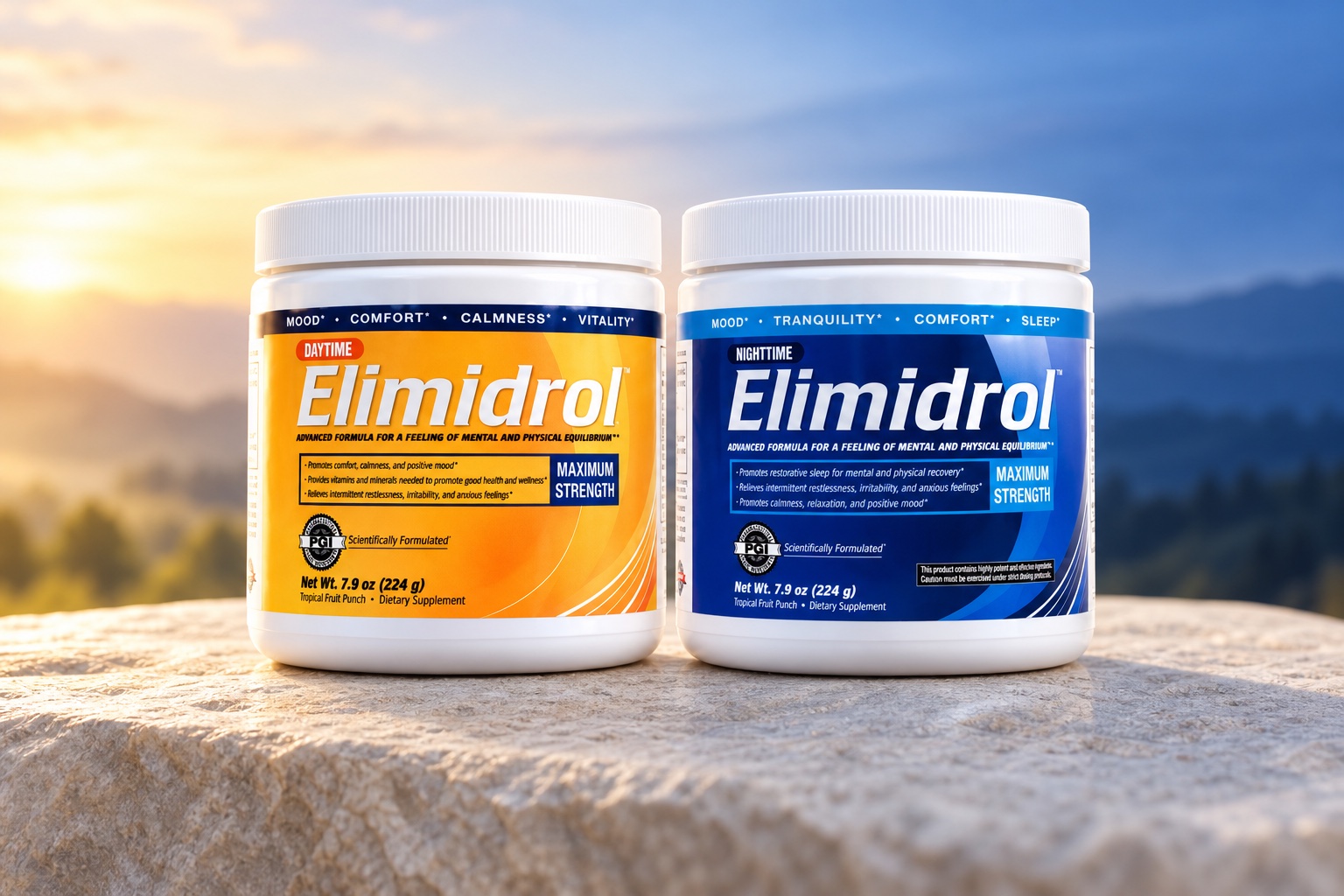
What Elimidrol is—and what it’s designed to support: Elimidrol Mood Support is marketed as a dietary supplement intended to support a balanced mood and everyday stress management. Supplements like this are generally positioned to support normal body functions (such as calmness, relaxation, or emotional steadiness), not to diagnose, treat, cure, or prevent any disease. If you’re experiencing persistent low mood, ongoing panic-like symptoms, or significant changes in sleep, appetite, or functioning, it’s best to talk with a qualified healthcare professional.

How “mood support” supplements typically work (without medical claims): Mood-focused formulas often aim to support the body’s stress response and overall mental well-being. Depending on the ingredients, they may be designed to:

  • Support relaxation and a calm mindset during occasional stress
  • Promote healthy sleep quality for those with occasional sleeplessness
  • Support neurotransmitter balance and cognitive steadiness as part of normal function
  • Help maintain energy and focus when you feel mentally “draggy”

Effects can be subtle and may take time. Individual results vary, and lifestyle factors—sleep habits, nutrition, caffeine, alcohol, and daily stress load—often make a noticeable difference.

Who might consider Elimidrol—and who should skip it: It may appeal to adults who want gentle, daily support for intermittent anxious feelings, mood fluctuations, or everyday tension. On the other hand, avoid or seek medical guidance first if you are pregnant or nursing, under 18, have a medical condition, or take prescription medications (especially those affecting mood, sleep, or blood pressure). Stop use and consult a clinician if you notice unwanted side effects.

How to evaluate benefits, safety, and value before you buy: Look for transparent labeling, clear directions, and realistic marketing that doesn’t promise dramatic outcomes. Prioritize brands that offer third-party testing or quality certifications, have accessible customer support, and provide straightforward return policies. Finally, compare cost per serving—not just the bottle price—so you can judge value alongside quality and your personal wellness goals.

What Is Elimidrol?

Quick definition: a dietary supplement positioned for mood support

Elimidrol is marketed as a dietary supplement designed to support mood and emotional well-being. In practical terms, that positioning typically means the product is intended to help promote a balanced, steady mindset and support the body’s normal response to everyday stressors. Like many mood-support supplements, it’s generally promoted for routine wellness use rather than as a “quick fix.”

It’s also important to understand what a dietary supplement is—and what it isn’t. Supplements are not the same as prescription medications or over-the-counter (OTC) drugs. Prescription and OTC products are evaluated and regulated as drugs to treat specific medical conditions, while dietary supplements are intended to support normal structure or function in the body (for example, supporting mood or relaxation). Elimidrol is not intended to diagnose, treat, cure, or prevent any disease. If you’re experiencing persistent or worsening emotional distress, or symptoms that interfere with daily life, it’s best to talk with a qualified healthcare professional to discuss appropriate evaluation and care.

What “Elimidrol mood support” means in plain language

When people search for “Elimidrol mood support,” they’re often looking for help with common, everyday experiences—especially when life feels demanding. While individual goals vary, the search intent frequently includes support for:

  • Managing day-to-day stress and feeling more emotionally steady
  • Occasional nervousness or feeling “on edge” during busy periods
  • Irritability or a shorter-than-usual fuse
  • Feeling overwhelmed, mentally fatigued, or unable to “switch off”

Setting realistic expectations matters. If a supplement is a good fit for you, support may feel subtle rather than dramatic, and benefits may build gradually with consistent use. Responses can vary widely based on factors like baseline stress levels, sleep habits, diet, caffeine intake, and overall health. Some people notice changes in a few days, while others may need a few weeks to gauge whether it’s helpful.

As with any supplement, review the label directions, avoid exceeding the recommended serving, and consider checking with your healthcare provider—especially if you’re pregnant or nursing, have a medical condition, or take medications. This helps ensure your mood-support routine aligns safely with your broader wellness plan.

Why Mood Support Supplements Are So Popular Right Now

Modern stressors that drive interest

Interest in mood support supplements has grown as everyday life has become more demanding, faster paced, and more connected. Many people are looking for convenient tools to help them feel more centered and steady—especially when their routines are stretched thin. While “stress” can be a broad term, it often shows up as intermittent anxious feelings, tension, irritability, or a sense of being mentally “on” even when it’s time to rest.

Common modern stressors include:

  • Workload and time pressure, which can contribute to mental fatigue and reduced patience
  • High screen time and constant notifications that can make it harder to unwind
  • Social pressure (online and offline), including comparison, social obligations, and performance expectations
  • Disrupted routines from shifting schedules, caregiving demands, or major life transitions
  • Travel and changing time zones, which can throw off eating and sleep patterns
  • Irregular sleep schedules that may contribute to feeling emotionally reactive the next day

Over time, these factors can influence mood, calm, and emotional resilience. When the nervous system is frequently “revved up,” people may seek support that fits into their daily routine—often alongside lifestyle basics like consistent sleep, movement, hydration, and balanced meals.

What “mood support” can (and cannot) mean

In the supplement world, “mood support” typically refers to products formulated to help maintain a calm mindset, support relaxation, and promote a healthy stress response. Some formulas may also be positioned to support occasional restlessness or help you feel more emotionally balanced during hectic seasons. These benefits are generally framed as supporting normal body function, not altering disease states.

It’s equally important to understand what mood support supplements are not. They are not intended to diagnose, treat, cure, or prevent any disease, and they should not be marketed as solutions for anxiety disorders, depression, or other medical conditions. If you’re experiencing persistent low mood, intense worry, panic-like symptoms, or changes in sleep or appetite that interfere with daily life, it’s best to speak with a qualified healthcare professional.

When choosing a supplement, prioritize transparent labeling, realistic claims, and third-party testing when available. Always review the Supplement Facts panel, follow the label directions, and check for potential interactions—especially if you are pregnant or nursing, have a medical condition, or take prescription medications.

How Elimidrol Mood Support Is Intended to Work (General Mechanisms)

Mood-support supplements like Elimidrol Mood Support are typically positioned around broad, “everyday wellness” goals rather than immediate, drug-like effects. In general, brands describe these formulas using structure/function language—such as supporting relaxation, helping maintain a calm mood, or supporting the body’s response to daily stressors. Because individual ingredients, doses, and quality controls can vary widely, it’s important to view any product’s intended mechanism as a general framework and confirm the specifics on the Supplement Facts label.

Stress-response support: helping the body handle everyday stress

Many mood-support products are marketed with an “adaptogenic-style” approach, meaning they’re intended to help the body adapt to everyday stress and promote a more balanced response over time. In this context, you’ll often see wording that focuses on supporting the body’s normal physiology rather than treating a condition.

Common structure/function positioning includes:

  • Supports relaxation during occasional times of stress
  • Helps support a calm, balanced mood
  • Supports resilience and coping with everyday stressors

These claims are meant to describe support for normal function, not to diagnose, treat, cure, or prevent any disease. For best results, brands often recommend consistent use alongside healthy habits like regular meals, hydration, movement, and stress-management routines.

Neurotransmitter-related nutrients: what brands often reference

Some formulas also highlight nutrients or herbs that brands associate with relaxation pathways and neurotransmitter-related balance. Depending on the product, you may see references to ingredients that are commonly discussed in connection with calm mood support, occasional nervous tension, or relaxation. Examples in the broader supplement category can include certain vitamins/minerals involved in normal nervous-system function and herbal extracts that are traditionally used for soothing support.

Because ingredient forms and dosing matter, it’s smart to:

  • Check the exact ingredient list
  • Look for standardized extracts when relevant
  • Review cautions for potential interactions (especially if you use medications)

If you’re pregnant, nursing, have a medical condition, or take prescription products, consider discussing any supplement with a qualified healthcare professional.

Sleep and mood: the two-way relationship

Sleep and mood often influence each other. Occasional sleeplessness can make the next day feel harder—affecting patience, focus, and emotional steadiness—while feeling keyed up in the evening can make it tougher to unwind. That’s why many people pair calming routines with evening supplements designed for relaxation support.

Helpful pairings may include:

  • Keeping a consistent bedtime and wake time
  • Limiting late caffeine and alcohol
  • Creating a wind-down routine (dim lights, screen limits, gentle stretching)
  • Using a supplement as directed to support relaxation before bed

Overall, the intended approach is supportive and lifestyle-aligned: reinforce calm mood during the day and promote a more restful evening routine when needed.

What Benefits Do People Look for With Elimidrol Mood Support?

When shoppers explore mood-support supplements such as Elimidrol Mood Support, they’re usually looking for everyday, wellness-oriented benefits rather than solutions for medical conditions. In other words, the goal is often to feel more even-keeled during normal life pressures, not to treat or cure anything. Individual experiences can vary based on factors like routine, sensitivity to ingredients, sleep quality, caffeine intake, and overall stress load.

Common goals reported by supplement shoppers (without disease claims)

People most often describe wanting support for a calmer, steadier day-to-day experience—especially when schedules are demanding or emotions feel a bit “tugged” by stress. Common goals include:

  • Support for calm during stressful moments: Many shoppers want to feel less reactive when deadlines, family demands, or travel disrupt their routine.
  • Support for emotional balance and a steady mood: A frequent aim is maintaining a more consistent outlook, particularly during busy weeks or seasonal changes.
  • Support for relaxation and winding down at night: Some users look for help transitioning from “on” mode to a more relaxed evening rhythm, which can be useful for occasional restlessness at bedtime.
  • Support for focus and clarity when stress feels distracting: Another common request is staying mentally organized when tension makes it harder to concentrate.

How long it might take to notice effects

Timing can differ widely. Some ingredients are typically associated with more noticeable, same-day support, while others may be better suited to gradual, cumulative benefits over days or weeks. Your results may also depend on:

  • Acute vs. gradual support: Certain formulas may feel more “situational,” while others may be best evaluated after consistent use.
  • Consistency, lifestyle factors, and baseline stress levels: Sleep habits, hydration, alcohol, stimulant use, and how intense your stress feels can all influence perceived outcomes.

Setting realistic expectations

It helps to approach any supplement with practical expectations. Supplements aren’t “instant fixes,” and they work best as part of a broader routine that supports resilience.

  • Benefits can be modest: Subtle shifts—like feeling slightly more composed or better able to unwind—are common types of feedback.
  • Tracking reduces guesswork: Consider noting energy, mood steadiness, and nighttime wind-down in a simple journal for 1–2 weeks to spot patterns.

For best results, follow the product label, avoid exceeding suggested use, and check with a healthcare professional if you’re pregnant or nursing, taking medications, or managing an ongoing health concern.

Who Might Consider Elimidrol—and Who Should Talk to a Clinician First

Potential fit: adults seeking everyday mood support

Elimidrol may be a consideration for adults who want gentle, day-to-day support for emotional well-being as part of a healthy routine. Some people look for supplement options when they’re dealing with occasional stress from work, family, travel, or a busy schedule—especially if they prefer a non-prescription approach to general wellness. If you’re generally healthy and simply want to support a calm mindset, it may be worth discussing whether Elimidrol fits your personal goals and tolerance.

It may be a potential fit for:

  • People experiencing intermittent anxious feelings, tension, or overwhelm during demanding periods
  • Those wanting a non-prescription option for general wellness support alongside sleep habits, movement, and stress-management practices

Keep in mind: dietary supplements are not intended to diagnose, treat, cure, or prevent any disease, and results can vary. If your symptoms are persistent, worsening, or interfere with daily functioning, it’s important to seek medical evaluation.

Use extra caution (or avoid) in these situations

Certain groups should be especially careful with any mood-support supplement, particularly multi-ingredient formulas. Individual ingredients can have different effects depending on age, health history, and sensitivity.

  • Pregnancy or breastfeeding (safety data for many botanicals is limited)
  • Children and teens, unless a pediatric clinician advises
  • Existing medical conditions, including mood or sleep disorders, or a history of significant mood changes
  • History of sensitivity to herbal ingredients, or to products that may feel stimulating or overly calming

If you’ve had allergic reactions to supplements before, review the full label carefully and consider starting only with clinician guidance.

Medication and supplement interactions to consider

Interactions depend on the exact ingredient list and dosages, so the label matters. In general, extra care is warranted if you use medications or supplements that affect the nervous system, sleepiness, or cardiovascular function.

  • Potential overlap with products that cause drowsiness or affect alertness (for example, sleep aids or calming blends)
  • Considerations for SSRIs/SNRIs, sedatives, blood thinners, and blood pressure medications (ingredient- and dose-dependent)
  • Importance of pharmacist or clinician review, especially with multi-ingredient formulas and if you take more than one supplement

Before starting Elimidrol, bring your full medication and supplement list to a pharmacist or clinician, and ask whether you should avoid combining products, adjust timing, or monitor for side effects such as excessive sleepiness, dizziness, or stomach upset.

How to Take Elimidrol Mood Support: Practical Use Tips

Getting the most out of Elimidrol Mood Support comes down to consistency, realistic expectations, and a simple plan for noticing how you feel over time. Because everyone’s baseline stress level, sleep habits, and daily routines differ, the most practical approach is to use the product as directed and track a few meaningful signals for several weeks.

Follow the label exactly

Start by reading the Supplement Facts panel and the “Suggested Use” instructions on the bottle. Dietary supplements are not intended to diagnose, treat, cure, or prevent any disease, so your goal is to support everyday mood balance and occasional stress—not to replace medical care.

  • Serving timing: Use the timing recommended on the label. Some people prefer a daytime serving when they want steady calm focus, while others prefer an evening serving as part of a wind-down routine. If the label offers specific timing guidance, follow it.
  • Don’t exceed suggested use: More is not always better. Avoid increasing the serving on your own. If you’re considering any change—especially if you’re pregnant or nursing, managing a medical condition, or taking medications—check with a qualified healthcare professional first.

How to evaluate your response (simple tracking)

Rather than judging results day-to-day, look for patterns over 2–4 weeks. A quick note on your phone or a simple checklist can help you spot gradual shifts that are easy to miss in the moment.

  • Track a few core markers: overall mood, common stress triggers, sleep quality (time to fall asleep, nighttime waking, morning freshness), and daytime energy.
  • Log key lifestyle variables: changes in caffeine (especially after noon), exercise frequency, work or family schedule disruptions, hydration, and alcohol intake.

If you want a simple scale, rate each marker from 1–10 daily and add one sentence about what happened that day. This helps you separate “product effects” from normal life fluctuations.

When to take a break or reassess

Your body’s feedback matters. Stop using the product and reassess if it doesn’t fit your routine or if your response feels off.

  • Unwanted drowsiness or agitation: If you feel overly sleepy, “wired,” or uncomfortable, consider pausing and discussing next steps with a healthcare professional—especially if symptoms persist.
  • Escalating doses: If you feel tempted to take more to get the same effect, return to label directions and reassess your overall plan (sleep schedule, stress load, caffeine). Consistent benefit should not require steadily increasing servings.

If mood changes are intense, persistent, or disruptive, seek medical guidance. Supplements can be part of a wellness routine, but they’re not a substitute for professional support when you need it.

Elimidrol vs. Other Mood Support Options

How Elimidrol mood support compares to single-ingredient supplements

When comparing Elimidrol to single-ingredient mood support supplements, the biggest difference is approach. Multi-ingredient formulas aim to offer broad support in one product, while targeted ingredients focus on one pathway at a time. Neither is automatically “better”—the right choice depends on your goals, how sensitive you are to certain ingredients, and how much trial-and-error you want to avoid.

  • Pros of blends: convenience (fewer bottles), potentially complementary ingredients, and an all-in-one routine that’s easier to stick with.
  • Cons of blends: it can be harder to know which ingredient is helping (or bothering you), and some blends use proprietary amounts that limit clarity on dosing.
  • Pros of single ingredients: simpler evaluation, easier dose adjustments, and clearer alignment with your personal needs (for example, occasional sleeplessness vs. intermittent anxious feelings).
  • Cons of single ingredients: you may need multiple products to cover different areas, which can increase cost and complexity.

Budget and transparency matter in either case. Look for clear labeling, third-party testing when available, and a supplement facts panel that helps you understand what you’re taking. If you’re using medications, are pregnant or nursing, or have a health condition, check with a licensed healthcare professional before adding any supplement.

How it fits with lifestyle strategies that support mood

Supplements are best viewed as a complement to everyday habits that support emotional well-being. If you’re considering Elimidrol, it may fit most smoothly when paired with consistent routines that help regulate energy and stress response.

  • Foundational habits: a regular sleep schedule, morning daylight exposure, movement most days of the week, and balanced meals with adequate protein and hydration.
  • Stress skills: slow breathing (such as longer exhales), brief mindfulness check-ins, journaling, and building in meaningful social connection.

These strategies can also make it easier to assess whether a supplement is a good match, since fewer variables are changing at once.

When professional support may be the better next step

If low mood, panic-like symptoms, or sleep disruption persists for weeks or starts interfering with work, relationships, or daily functioning, professional support is often the most effective next step. A licensed healthcare professional can screen for underlying contributors, review medications and supplements for interactions, and recommend evidence-based options tailored to you.

Supplements like Elimidrol are not intended to diagnose, treat, cure, or prevent any disease. If you ever feel unsafe or at risk of harm, seek immediate help from emergency services or a local crisis resource.

Buying Elimidrol: What to Look For (And What to Avoid)

Where people typically purchase and why source matters

Elimidrol is purchased through the brand’s official website. The source matters because it can affect authenticity, freshness, and how the product is handled before it reaches you. Supplements should be stored according to label directions (often in a cool, dry place). When products sit in uncontrolled environments, quality may be harder to verify.

  • Official site vs. marketplaces: Buying direct may reduce the risk of counterfeit or expired inventory and can make it easier to confirm lot information. Marketplaces can be convenient, but listings may come from multiple sellers with varying storage practices.
  • Return policies and customer support: Look for clear, written terms for returns, refunds, and damaged shipments. Reliable support should offer an accessible contact method and a reasonable timeframe for resolving issues.

How to interpret reviews without getting misled

Reviews can offer helpful context, but they’re also easy to misread. People vary widely in sleep habits, caffeine intake, work schedules, and baseline levels of tension, so outcomes may not translate directly to your situation.

  • Look for specifics: Credible reviews often mention timing (morning vs. evening), consistent dosing, how long the person used it, and what else changed (stressful periods, exercise, screen time, alcohol). These details help you judge whether someone’s experience fits your routine.
  • Be cautious with extreme claims and vague praise: Statements suggesting a supplement “cures” a condition, replaces prescriptions, or works instantly for everyone are red flags. Likewise, one-line reviews with no context can be unreliable.

As a general rule, treat any supplement as a support tool for overall wellness, not a guaranteed fix. If you’re pregnant or nursing, have a medical condition, or take medications, check with a qualified healthcare professional before use.

Your Next Step: Decide If Elimidrol Mood Support Fits Your Routine

Choosing a mood-support supplement works best when you match it to your day-to-day needs, schedule, and comfort level. Elimidrol Mood Support is a dietary supplement, not a medication, and it isn’t intended to diagnose, treat, cure, or prevent any disease. With that in mind, the most helpful next step is to get clear on what you want support with and how you’ll evaluate your results over time.

A quick self-check before starting

Before you add anything new to your routine, take a moment to define your “why” and identify possible overlaps with what you already use. This can help you avoid doubling up on similar products and make it easier to notice changes.

  • What is your main goal: gentle calm during the day, steadier emotional balance, or evening relaxation to help you unwind?
  • Are you currently using other calming supplements or sleep aids? Check labels for overlapping ingredients (especially if you use multiple “relaxation” formulas) and consider introducing only one new product at a time.
  • Do you have any health conditions or take medications that warrant a clinician check-in? If you’re pregnant or nursing, have a medical condition, or take prescription/OTC medications, consult a qualified healthcare professional before use. Seek medical guidance promptly if you experience persistent low mood, intense worry, or ongoing sleep disruption.

Build a “mood support stack” that’s realistic

Supplements often work best as part of a broader routine that supports your nervous system and daily resilience. Keep your plan simple enough that you can follow it consistently, then reassess based on how you feel—not hype or assumptions.

  • Pair supplementation with stress-reducing habits for a more sustainable approach. Examples include a regular sleep schedule, morning light exposure, reduced late-day caffeine, daily movement, breathwork or meditation, and short breaks from screens.
  • Reassess after a defined trial period (for example, 2–4 weeks) and adjust based on your experience. Track a few practical markers such as daytime tension, irritability, ability to decompress at night, and sleep quality. If you don’t notice meaningful support, consider pausing and reviewing alternatives with a clinician.

Finally, use supplements as directed on the label, avoid exceeding recommended amounts, and store them safely out of reach of children. A clear goal, a simple routine, and a time-bound check-in can help you decide whether Elimidrol Mood Support is a fit for your lifestyle.

Related Articles

Shopping Cart
Scroll to Top
[]