

Food can be part of a routine that supports your energy, comfort and everyday mood. It does not need to involve a special menu or a search for one perfect ingredient. Regular meals and a varied mix of foods give you a practical place to start.
Rather than treating individual foods as guaranteed mood boosters, look for meals and snacks you enjoy and can prepare consistently. These six familiar options can help you build that routine.
Why regular meals matter
It can be harder to look after yourself when a busy day leaves little time to eat. Planning a few easy meals and keeping a snack available can help you avoid arriving at the end of the day hungry and rushed.
The National Institute of Mental Health includes regular, healthy meals among its suggestions for coping with stress. Food is one part of the picture, alongside sleep, physical activity, relaxation and connection.
You do not need to interpret every mood change as a blood-sugar problem or nutrient deficiency. If changes are persistent, difficult to manage or affecting your daily life, a qualified healthcare professional can help you understand what is going on.
Six foods and drinks to work into your routine
1. Oats for a flexible breakfast
Oats provide fiber and can be prepared in several convenient ways. Try oatmeal with berries and yogurt, or make overnight oats when mornings are rushed.
Rolled, steel-cut and quick-cooking oats can all be useful choices. Quick oats are not automatically sweetened: check the ingredient list and added-sugars information, especially on flavored packets. Choose the preparation you enjoy and can make time for.
2. Bananas and other easy-to-carry fruit
Bananas offer vitamin B6, which has several roles in normal body function, including neurotransmitter production. That makes them a useful food, not a guaranteed way to raise serotonin or change your mood.
Pair a banana with yogurt, add slices to oatmeal or take one with you as part of a snack. Apples, oranges and other fruits can fill the same practical role when you want something convenient.
3. Fatty fish for omega-3 fats
Salmon, sardines and mackerel provide the omega-3 fats EPA and DHA. Omega-3s are components of cell membranes, including those in the brain. The NIH omega-3 fact sheet explains their roles and food sources.
Try salmon with rice and vegetables, or add canned sardines to toast or a salad if you enjoy them. Plant foods such as walnuts, chia and flax seeds provide a different omega-3, ALA. The body converts only limited amounts of ALA to EPA and DHA, so they should not be described as identical sources.
These nutritional facts are useful reasons to consider different foods. They are not a promise that fish or fish oil will treat memory loss or a mood condition.
4. Nuts and seeds for simple snacks
Nuts and seeds can contribute protein, fiber and fats, along with nutrients that vary by type. Keep a small portion of a favorite mix available, stir seeds into yogurt or add chopped nuts to a meal.
Choose options that fit your preferences and dietary needs. If sodium or added sugar matters to you, compare the packages. Avoid any nuts or seeds that you are allergic to.
5. Dark chocolate for enjoyment
Enjoying your food matters too. A little dark chocolate can be something you look forward to with a meal or during a break, without needing a claim about endorphins to justify it.
Chocolate can contain caffeine, and cocoa content, added sugar and portion sizes vary. If you notice that chocolate late in the day affects your sleep, try having it earlier or choose a different evening treat.
6. Coffee, if it suits you
A morning coffee can be an enjoyable ritual, but there is no minimum amount you need to drink for a better mood. Caffeine can increase alertness, while too much can contribute to jitteriness, anxiety or disrupted sleep. Sensitivity and the amount in a drink vary.
If coffee leaves you uncomfortable or makes it harder to sleep, consider a smaller serving, decaf or an earlier cutoff. The FDA’s caffeine guide explains why personal sensitivity, medication and health circumstances matter. Ask for individualized advice if you are pregnant, breastfeeding or unsure how caffeine fits your health needs.
Turn a list of foods into a manageable plan
Choose one easy breakfast, one dependable lunch and a snack you can keep nearby. For example, oatmeal with fruit, a bean-and-vegetable lunch, and yogurt or nuts later in the day can give you a starting point. Adapt the foods to your tastes, allergies and dietary needs.
If you want more variety, the Harvard Nutrition Source’s Mediterranean-diet overview describes an eating pattern built around vegetables, fruits, whole grains, legumes, nuts and other foods. It is an example to learn from, not a required diet or a promise of a particular mood result.
Where additional mood support can fit
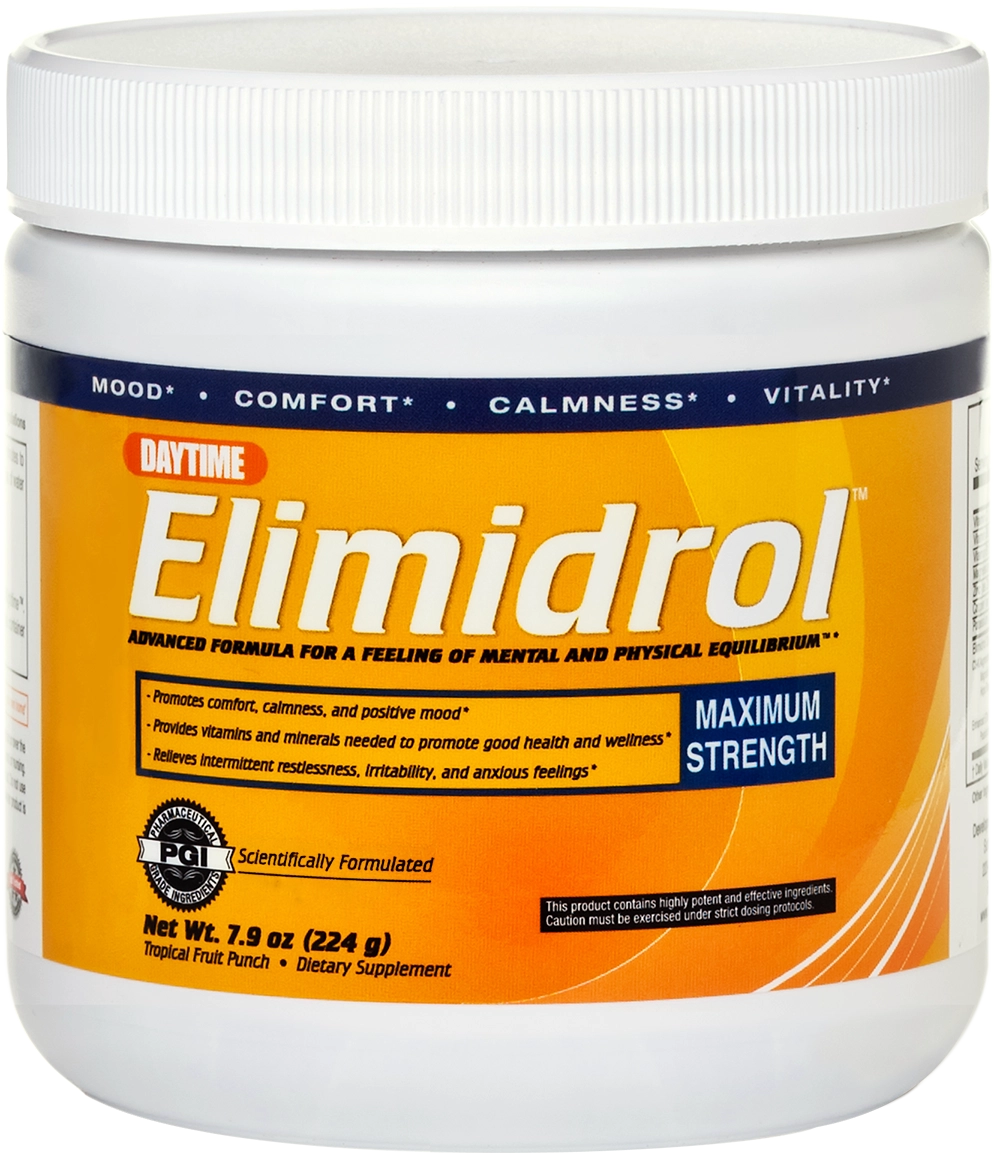
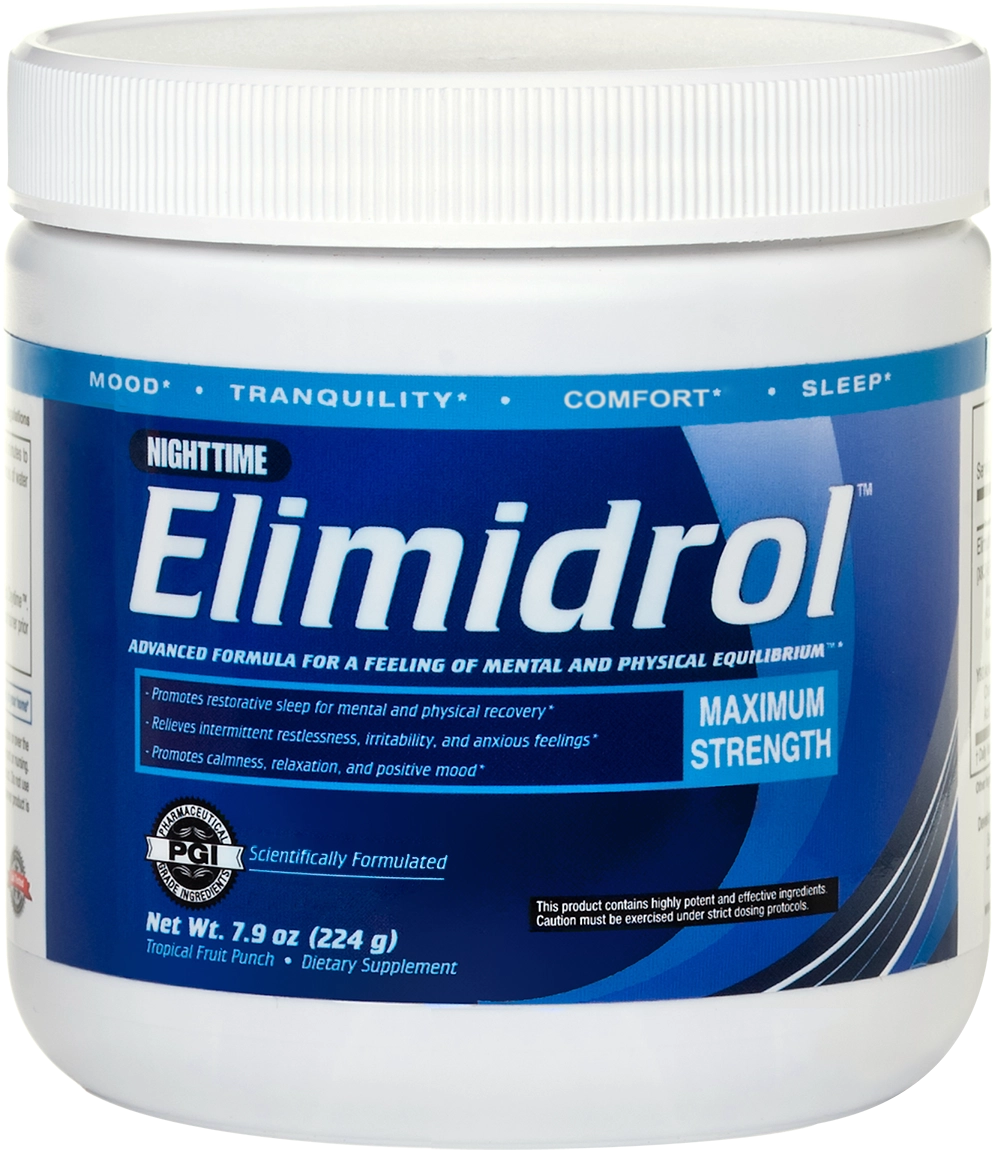
Alongside everyday habits, we offer Elimidrol for mood, mental and physical comfort, calmness and well-being, including relief from intermittent restlessness, irritability and anxious feelings. Daytime is designed for support during the day, while Nighttime places added emphasis on evening relaxation and restful sleep.
Each product page includes the complete Ingredients and Directions. If you take medication or have a medical condition, review supplement use with a qualified healthcare professional. For more everyday ideas, explore our guide to mood-support habits.